
This article was provided by Health Facilities Association of Maryland.
By Joe DeMattos
It has been a long nearly three years and we are all learning to live in a world where COVID continues to be a part of our collective reality.
At work, at home, and in the community, we are all adjusting and creating new routines that align with our own risk tolerance levels, obligations, wants, and needs.
Based on the life-saving impact of vaccines for higher-risk people and herd immunity among the general population, federal, state, and local governments have been modifying orders and recommendations related to COVID restrictions in our daily lives at home, work, and in the community.
That said, reduction of restrictions related to isolation and masking requirements in healthcare settings has been much slower.
In practical terms, there is an upside and a downside to universal masking and isolation requirements in healthcare settings. The upside, of course, is slowing the spread of COVID and other viruses. The downside includes continued social isolation and reduced care capacity.
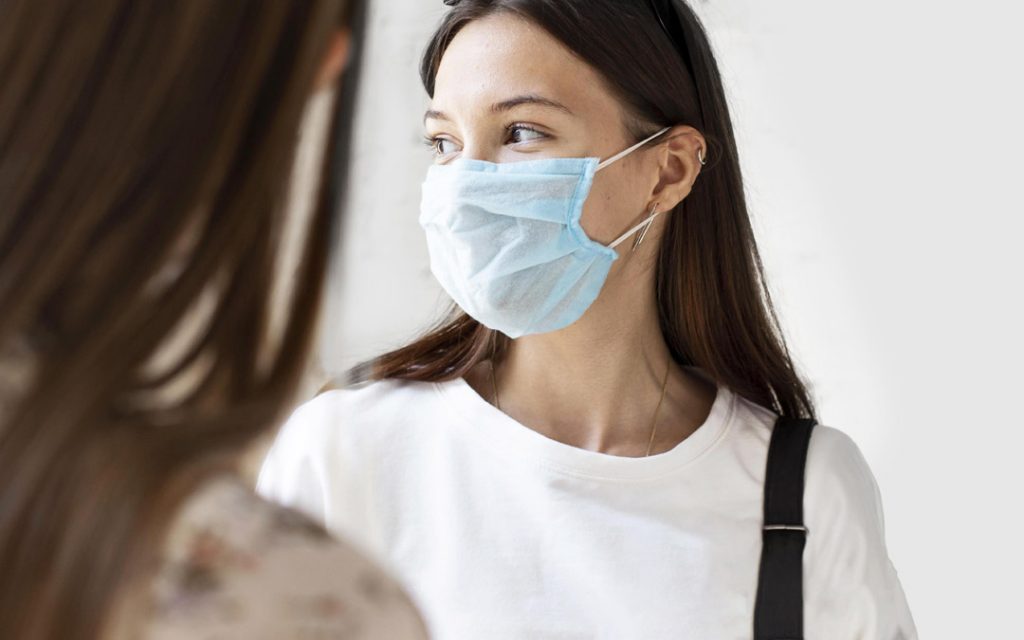
In healthcare, masks create a useful and vital barrier that helps prevent spread of the virus for both the person receiving care and the person providing care. Unfortunately, masks also create a barrier to emotional and social connection.
My experiences throughout the pandemic have taught me that social isolation impacts on mental health are real, painful, and sometimes devastating.
All this said, I am still definitely a mask guy even though I am fully vaccinated and boosted. If you see me at Seven Mile Market, Giant, Fresh Market, Target, or Whole Foods, I’ll be wearing a mask. And, like everyone else, I am required to wear a mask in healthcare settings.
However, it is important to understand that the healthcare masking and isolation mandates were established before the COVID vaccine was deployed and before we reached the current levels of high vaccination rates within the community.
I just think that government mandates on masking and isolation in healthcare settings, including nursing homes, should be based on current facts and data related to vaccination levels and herd immunity similarly to how the government has used this information to update community-level guidance.
Even before the COVID pandemic, healthcare settings were required by the state and federal government to follow masking and vaccination mandates related to the influenza virus. Generally, those mandates required staff to be vaccinated (with limited exemptions) and required residents and patients to wear a mask if they were unvaccinated and/or if they exhibited flu-like symptoms.
Throughout July and August, approximately one-third of the 225 nursing homes in Maryland kept free of COVID-19. Thankfully for nursing homes and other healthcare settings that did experience COVID over the summer, the more recent variants have been less deadly and treatments have greatly improved since the beginning of the pandemic so we have had fewer deaths associated with COVID.
Together we are moving in the right direction with COVID, yet we must all remain cautious about potential fall surges of COVID and the fall-winter flu season.
Let’s remember that the new normal will continue to mean recommendations and mandates based on current data, continuing to push for vaccinations and boosters, and masking, testing, and isolation where clinically appropriate and backed by facts.
Looking forward, some of us will soon be reflecting on the year 5782 and celebrating the hope and promise of 5783 in regards to our intentions, actions, goals, accomplishments, and shortcomings.
As we enter this sacred time, I hope you appreciate these considerations about where we have been and where we may go living with COVID as we begin a new year.
L’Shana tova!

Joe DeMattos is President and CEO of the Health Facilities Association of Maryland, and a past-president of Har Sinai Congregation (now Har Sinai-Oheb Shalom Congregation).

Despite security challenges and limited flights, hundreds have made aliyah in 2026.
At Knit & Nosh, one of several VolunTeams run by the Macks Jewish Connection Network, young adults get together to knit scarves and hats for neighbors experiencing housing insecurity.

At the Community College of Baltimore County (CCBC), a growing number of students are discovering that higher education can be far more affordable than they imagined -- and in some cases, completely tuition-free.
The founder and owner of Catonsville Dental Care, "Dr. B" maintains a spirit of optimism that inspires friends, colleagues and patients.