
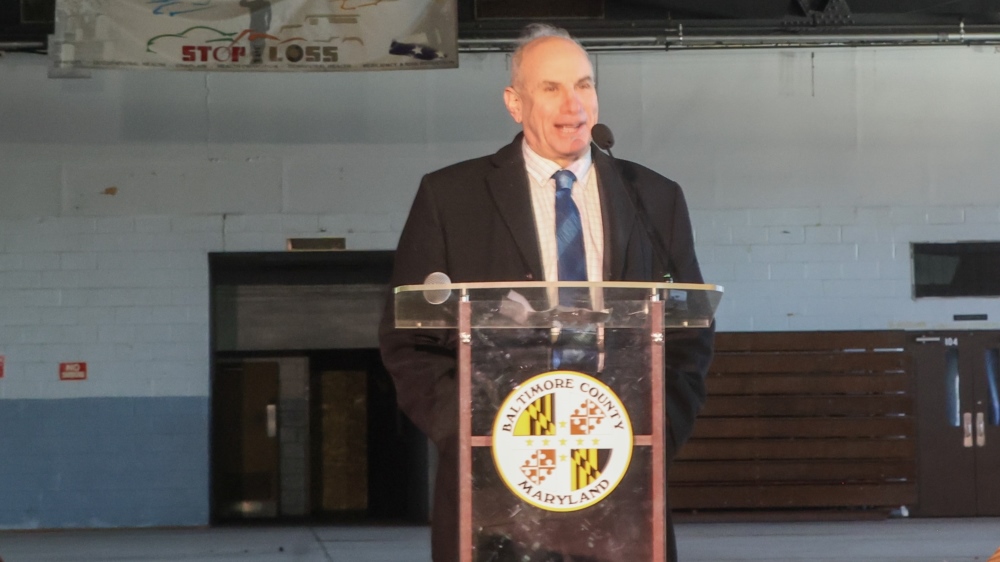
Part of a series on candidates running for Baltimore County Executive
Israel C. “Izzy” Patoka believes in community engagement. That’s why he says he’s out in the community every single night to get a feel for what constituents are concerned about.
A Democrat, Patoka has been a member of the Baltimore County Council, representing the 2nd District, since 2018.
A native of Northwest Baltimore, he lives with his wife, Denise, in Pikesville’s Sudbrook Park community. The Patokas have one son, Rory, and belong to Baltimore Hebrew Congregation.
What do you feel are the most critical challenges facing the county?
There are two issues that must be addressed right away. One is the budget. It is going to be limited, and the federal government is unpredictable. You don’t know from one day to the next what tariffs are going to be put in place. You don’t know from one day to the next who our enemies are and who we’re at war with.
You also don’t know the impact that a Democratic jurisdiction will take from the Trump administration. Those are real fears that I hope to address as County Executive.
The second critical challenge is affordability. With gas prices, groceries and utilities so high, it’s difficult for families to make ends meet.
Why do you feel you’re the most qualified candidate in the race?
We’re going to need a strong fiscal steward at the helm, someone who can initiate budget discipline but also provide the things that communities need. I have that skill set.
I have a broad breadth of experience managing budgets and managing large agencies. I’ve got broad experience in authoring and managing multi-million-dollar budgets for Baltimore City and managing multi-million dollar budgets for Baltimore County. I’ve also managed large and complex operating budgets.
It’s also important to have someone who is experienced as a leader in managing large agencies. I was a senior member of the Martin O’Malley administration, where I directed large cabinet-level agencies.
I am also an urban planner by trade, and planners get to touch every aspect of government and community.
I go to community meetings every single night of the week, and not just during election years. I show up so I understand what’s going on from the perspective of people where they live.
How would you characterize the current state of the county?
We’re a strong county, and we’re a desirable county because of our urban, suburban and rural mix. It’s important that we keep that beautiful character.
I intend on making sure that we maintain that rural beauty and not have sprawl all over the county. We want to be the beautiful Baltimore County.
I am also focused on strengthening the areas inside the beltway, as well as older communities that are just outside the beltway. We need to retrain our focus on the older communities. That’s why I’m going to create a brand new agency, the Office of Community Conservation. It will have an attorney to help communities with small legal issues that can sometimes stymie them.
There will be sector coordinators: southwest, northwest, northeast and southeast. There will be a `main streets’ coordinator, a sustainability coordinator, a faith-based coordinator, a food-security coordinator and an LGBTQIA+ coordinator. This will be a highly influential agency.
Most importantly, this new agency will help craft the budget for Baltimore County. These coordinators will be out in the community every night, just as I am, and they will be participating in budget formulation. The budget is the way you articulate public policy.
Decisions shouldn’t be made in an office. These coordinators will be out in the community every night so they have a good feeling of what community sentiment is.
As County Executive, what would be your priorities?
Intermediate and urgent are affordability and incentivizing areas that we want to revitalize. I firmly believe transit-oriented developments can meet pressing priorities.
A TOD is where you put your housing and your commercial areas near transit lines so you can minimize the use of individual transit. You create more housing supply to drive down housing costs, increase mass transit and increase commercial activities in planned areas.
There are many great opportunities. Lutherville Station is one great opportunity for a TOD. It’s next to a light rail line, so you can reconfigure the retail into better commercial and also increase our housing supply and middle-class affordable housing.
In addition, speeding and aggressive driving are rampant in Baltimore County, and I’m going to put a stop to it. I believe everyone experiences aggressive driving in this county.
How can the County’s Jewish community feel more safe?
We have very large Jewish communities in Baltimore City and Baltimore County. I work closely with my friend and colleague, Baltimore City Councilman Yitzy Schleifer. We speak almost every night about issues important to the community, like public safety. We also work closely with the Baltimore Jewish Council, as well as with our synagogues.We know that all Jewish institutions are always targets, so we have to be ever vigilant.
We have great relationships with our respective police district command staff. It’s important that we have strong communication and rapid response when there’s an event. When there are incidents internationally, nationally or locally, I text the captain and he texts the commander of the precinct. We want them to be aware of incidents and of upcoming Jewish holidays.
Yitzy Schleifer and I also work with our sheriff’s departments. I am going to try to get our county sheriff’s department to do more than prisoner transport. I want to activate them when they are needed by the community. During the Jewish holidays, for example, around synagogues and near kosher supermarkets when people are buying Passover food.
Your feelings about doing business with Israel at this time?
The state funds the Maryland-Israel Development Center. The county doesn’t have any role in that.
My parents were Holocaust victims. My father was the sole survivor of his family, and my mother lost her parents and five siblings. So my Jewish heritage is really important to me, and the safety of Jewish communities is really important to me.
Putting politics aside, I think it’s important to Jewish people across the globe and here locally that we stand in solidarity to make sure we aren’t a target by hate groups.
I worry that without Israel being strong, many of the Jewish communities around the globe would be vulnerable.
Peter Arnold is an independent journalist.
The gathering on June 4 will be part of activities and programming around the world marking "Holocaust Survivor Day."
'It's Classic!" featured rock climbing, food, live entertainment and more.
A Norfolk native, Frankle worked at Sinai Hospital, Camp Airy and privately for five decades.
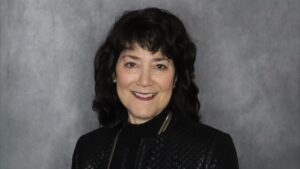
Esther Greenberg, Leora Match, Kathlleen St. Villier Hill and Ben Gershowitz will be recognized for the contributions to the community.