

Spay. Neuter. Adopt. Protect.
Visit many cities and counties in the United States and there’s a good chance you’ll find a local shelter called the Humane Society. These shelters are not connected with each other and many are not affiliated with the Humane Society of the United States. Most are private organizations that find homes for animals and provide animal-related services to their communities.
Baltimore is no exception.
In my last two posts I wrote about the two major shelters located in Baltimore City, BARCS and the MD SPCA. There are also two large shelters in Baltimore County, and the Baltimore Humane Society (also known as Bmore Humane) is one of them.
Its beginnings date to 1902, when a 16-year-old named Elsie Seeger became ill with rheumatic fever. During her recovery, her family pets kept her company, and according to legend, she decided then and there to devote her life to the welfare of animals.
She established a refuge for abused and homeless animals on her family’s estate in Pikesville. Years later, after marrying, Ms. Seeger Barton, along with a group of other women, created what is now the Baltimore Humane Society.
In 1936, Seeger Barton opened a state-of-the-art facility on Park Heights Ave., but in the 1950’s, planned construction of the Baltimore Beltway forced her to move. She purchased a huge parcel of land on Nicodemus Rd. in Reisterstown, still the location of Bmore Humane today.
The Baltimore Humane Society is a private non-profit independent shelter. It sometimes acts as a rescue, pulling animals from open admission shelters in our area and putting them up for adoption at Bmore Humane. It also accepts owner surrenders, including dogs, cats, rabbits, guinea pigs, and sometimes even rats and mice.
Because it can choose which animals to take in, it does not need to euthanize pets due to lack of space or resources.
Bmore Humane offers many services to the public including low-cost spay/neuter surgeries and vaccinations. It has a pet memorial park and a pet food bank. The food bank helps those who might otherwise have to give up their pet because they temporarily can’t afford to feed it.
According to Wendy Goldband, the Baltimore Humane Society’s Director of Marketing and Public Relations, “We’re hoping that within a month or two months, you get back on your feet and you can go on your way. You’ve been (able) to keep your pet. You didn’t have to surrender it.”
In addition to its services for the public, the Baltimore Humane Society provides a great deal to the animals in its care. Watch this short video, and meet some of the people who keep Elsie Seeger Barton’s dream alive.
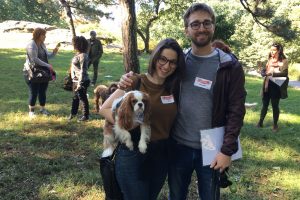
Pairing Yiddish and dogs may seem strange today, but it would have been even more unusual 100 years ago, said Burko, who received a doctorate in modern Jewish history from the Jewish Theological Seminary in New York.

The dog park diehards tend to be more dog savvy and recognize the benefits of regular canine socialization and the "dog rules" of the park.

Miranda Mittleman, 28, is the author of two picture books, “We Are All Different” and “I Am Important,” with the third book in the “PAWS and THINK!” series scheduled to publish later this year, via indie press Mascot Books.
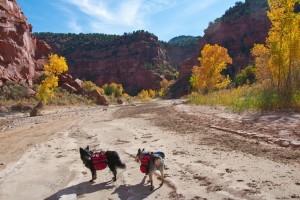
After a long, cold and lingering winter, it’s time to get out there and enjoy the springtime with your favorite canine companions.