

There’s a whole lot of barking going on at a kennel in Reisterstown these days.
It’s not the sound of dogs boarding while their owners are on vacation. Instead, this kennel is a kind of way station for homeless pets, many of them saved from possible euthanasia at area shelters by a rescue organization called AAHA (Adopt A Homeless Animal).
AAHA is different from other rescue groups that rely solely on foster homes for animals in their care. AAHA has fosters but not enough, so the group pays to board some of its dogs at the Reisterstown kennel.
Once AAHA brings them here, work begins to help them thrive mentally and physically, until the group can find new homes for them.
About 25 regular volunteers feed them, take them for walks, give them love and play time, grooming, and even teach them basic obedience.
One of the rescue’s founding members, Bonnie Hurwitz, says this effort dates back to 2001 when she joined a group of people who wanted to help pit bulls in Baltimore City. Ultimately she and three other women formed AAHA, which officially became a non-profit in 2009.
AAHA finds potential adopters, often through networking on social media, and invites them to the kennel to meet the dog they like. AAHA volunteers interview them and conduct home visits, aiming to make the right match of pet and owner, so that adoptions will be successful.
While AAHA takes in all kinds of dogs, the majority are pit bull mixes. That makes finding adopters even more difficult because of these dogs’ negative reputation.
AAHA President Elizabeth Ackerman says part of the group’s work is educating adopters to consider each dog as an individual and not be swayed by what they’ve heard about pits.
“I’ve been working with them for years,” she explains. “I owned a pit bull and loved her. I was the first one to be afraid of her when I met her and she turned out to be the loveliest dog ever. I had to get over my own fear.”
Hurwitz estimates AAHA has found homes for about 350 dogs and says.
“It’s a wonderful thing to find a home for an animal, especially (one) that’s been abused and neglected.”
But there’s a painful side too.
“We can’t take them all in. That’s the heartbreak of rescue. We can’t rescue our way out of this problem.” The long-term solution, she says, is for everyone to spay and neuter their pets.
But as long as there are homeless animals, rescue groups like AAHA will be here for them.
Watch this short video to meet some of AAHA’s tireless volunteers and the wonderful dogs whose lives they save.

Pairing Yiddish and dogs may seem strange today, but it would have been even more unusual 100 years ago, said Burko, who received a doctorate in modern Jewish history from the Jewish Theological Seminary in New York.

The dog park diehards tend to be more dog savvy and recognize the benefits of regular canine socialization and the "dog rules" of the park.

Miranda Mittleman, 28, is the author of two picture books, “We Are All Different” and “I Am Important,” with the third book in the “PAWS and THINK!” series scheduled to publish later this year, via indie press Mascot Books.
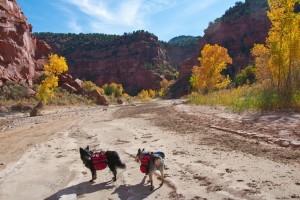
After a long, cold and lingering winter, it’s time to get out there and enjoy the springtime with your favorite canine companions.