
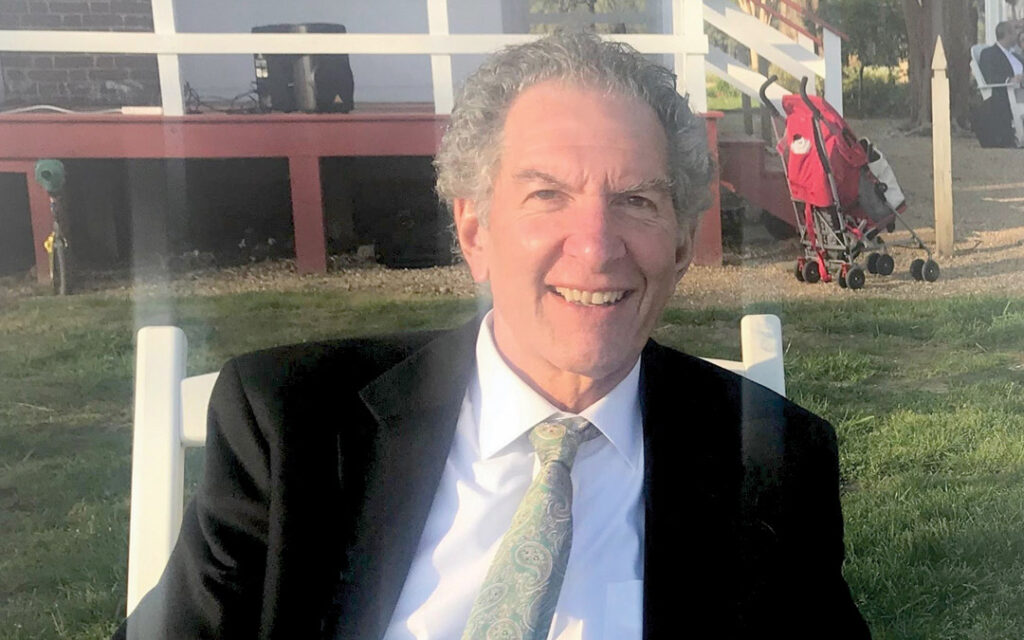
By Ivan Leshinsky
When I retired in 2017 after leading the Chesapeake Center for Youth Development (CCYD) for almost 40 years, I figured my phone would ring off the hook with consulting jobs. I quickly learned it doesn’t work that way.
So during the following year, I started volunteering and working on neighborhood initiatives. I organized and led a group of neighbors and friends to create a framework for comprehensive athletic, sports and fitness opportunities for children and youth in the seven Southwest Partnership (SWP) neighborhoods. Why Southwest Baltimore? Well, that’s where I live, a block from the house in Union Square where acclaimed writer H.L Mencken lived.
Most of the people in our group shared similar experiences of how we benefited from organized sports and recreational activities growing up. What came out of these meetings and discussions was the creation of the Southwest Sports and Fitness Alliance (SSFA). We found a home under the SWP umbrella until we were able to incorporate as a nonprofit on our own in 2019. I was able to secure generous financial backing from folks who previously supported the work of CCYD.
At the time, I had lived in the area for almost 13 years and understood how disadvantaged kids were lacking a clear pathway through sports to a more productive and meaningful life. The benefits that come from being part of an organized team, club or group are many — camaraderie, discipline, confidence, working with others toward a common goal and exposure to supportive adults and different people, places and new experiences.
Going forward, SSFA’s focus was on working with schools and bolstering their extremely limited physical education programs and supporting sports-based youth development organizations. We planned to enable more kids living in Southwest Baltimore to participate in year-round programs and sports-focused summer camps. We offered scholarships and grants.
By 2020, we were cultivating a growing community of people and sports-based youth development organizations, but the pandemic slowed down the progress. The schools were closed, and masks and social distancing severely limited what could be done with kids involved in organized sports, even outdoors.
Nonetheless, we launched our website sportsfitnessalliance.org and utilized social media and available technologies for virtual meetings and made new connections. We continue to sponsor monthly sports roundtables, bringing organizations and individuals together, albeit virtually for the time being. Our goal is to form partnerships, encourage and help establish programs and activities in Southwest Baltimore.
While our profile in the community was growing, I continued fundraising and planning for a time when life would become more normal again, connecting with others interested in our mission and flushing out new ideas. Before COVID-19, sports-based youth development programs also were providing critical educational support for vulnerable youth to stay on track in school.
Most of these organizations struggled to survive during the pandemic by providing a range of services remotely. But without the in-person interaction, children and youth were also severely impacted in a most negative way. At the same time, with the COVID vaccinations being rolled out now, we are anticipating a buildup of sports and recreation by this summer, if not sooner.
SSFA has been assisting the Baltimore Urban Baseball Association with repurposing a former furniture warehouse in Pigtown into a 20,000-square-foot training and youth center. And the long-awaited revival of the city’s shuttered recreation center in Poppleton, being led by SWP, also is underway. SSFA is helping with that project as well. Neighborhood initiatives from Mindful Mentors, Girls on the Run, the ABC Park Seminoles and others also are receiving our financial support.
Along with the administration at Vivien T. Thomas Medical Arts Academy and the URecFit aquatics program at the University of Maryland, Baltimore, we are working to resurrect the area’s only indoor pool and introduce “Learn to Swim and Life Saving” programs, not only for students but the community at large. Very soon, we will be gearing up for the 10th anniversary of the Sowebo Landmark 5K. It’s “the neighborhood race” scheduled for Oct. 3, 2021, and the only race where children and youth 18-and-under run for free. (See sowebolandmark5k.org for details.)
On the ballot last November, Marylanders approved sports betting for the primary purpose of raising revenue for education. It is not clear yet where betting will be allowed, which sports would be involved and for what purposes. My hope is that we do not miss out on the opportunity to extend this revenue to sports-based youth development programs operating beyond regular school hours.
Dozens of nonprofits originally focused on youth sports have now expanded their services to provide an array of life skills, social-emotional learning, relationship-building and more. In Baltimore alone, there are such nonprofits that were helping more than 4,000 youngsters before the pandemic.
Now more than ever, these organizations and the youth they serve need more support to continue these critical programs during and after the pandemic.
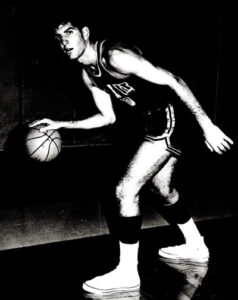
A former basketball player for Long Island University and the Israeli national team, Ivan Leshinsky lives in Southwest Baltimore and plans to write a memoir this year.
A former resident of Baltimore and central Florida, Ritt was active in the Soviet Jewry movement of the 1970s and 1980s.
The Orioles' weak defense plays a major role in the nightly carnage, writes Michael Olesker.
For more than four decades, Goldman played a vital role in the supervision of elections in the city.
The 16-year-old sophomore succumbed to injuries sustained in a car crash last week in Cockeysville.