
“Do you consider yourself the Moshiach [messiah]?” That’s not a typical question to ask someone, especially a half-hour after meeting them.
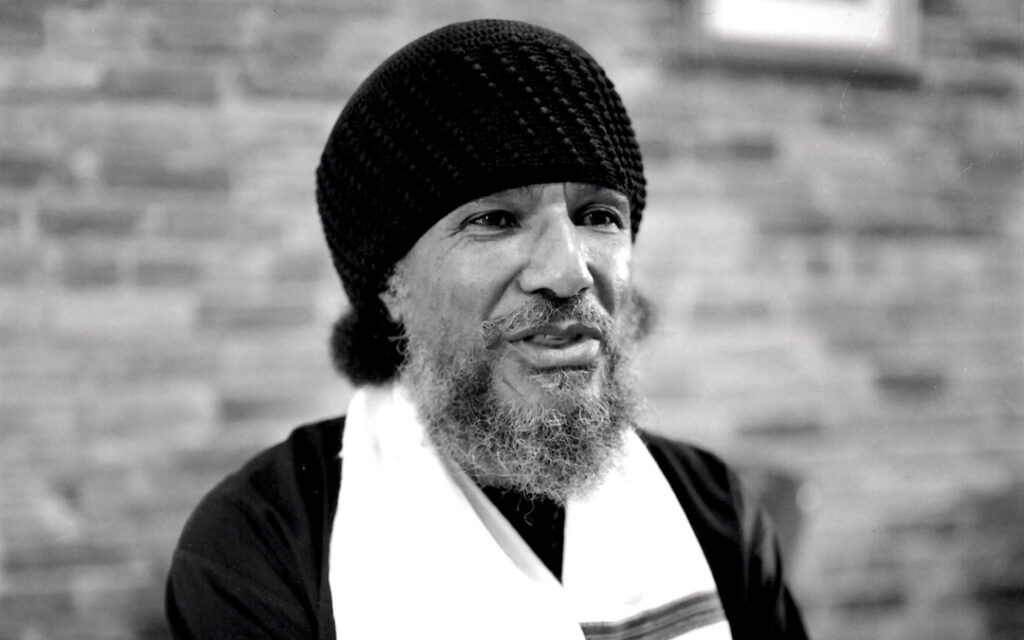
Back in the late ’90s, I found myself in a vegan eatery/juice bar near Howard University in the nation’s capital, sitting across from Ben Ammi Ben-Israel. Ben Ammi, who died in 2014, was founder and spiritual leader of the African Hebrew Israelites of Jerusalem, a community often referred to as the Black Hebrews or Hebrew Israelites.
With rapper Kanye West’s recent incendiary comments about the Jewish community and that Black people are the “real” Jews, my thoughts returned to that afternoon with Ben Ammi.
Based in the Israeli city of Dimona, the Black Hebrews started out in the ’60s as a group of African Americans, most from Chicago, whose adherents believed they were descendants of the Lost Tribes of Israel. Ben Ammi was a steelworker named Ben Carter who was raised a Baptist and said he had a vision of the archangel Gabriel calling on him to lead Black Americans back to the Holy Land.
He and about 350 followers first relocated to Liberia before setting down roots in Israel’s Negev desert. They’ve been there ever since, albeit with their presence and official status constantly a source of contention with Israeli authorities and a curiosity to the public.
I was a tad nervous meeting the controversial Ben Ammi and didn’t know what to expect. After working on a series of articles on Black Jews, I felt well-versed on the topic and its long, complex history in America.
But meeting Ben Ammi was different. Besides his community’s battles with the Israeli government, there were rumors and accusations of Ben Ammi being a cult leader, con artist, polygamist and self-anointed messiah.
Our interview was facilitated by Keith Holmes, a middleweight boxing champ from Bowie and adherent to the Black Hebrews movement whom I’d interviewed months earlier. “Want to meet the Abba Gadol [Great Father]?” he asked. “I can arrange it.”
Sitting there in a flowing African robe and wool prayer head covering, Ben Ammi possessed a graciousness and charisma that illuminated the room. With his soft-spoken, gentle demeanor and impeccable manners, he played the role of holy man quite well. Throughout the interview, he beamed at me, his eyes radiating a sense of inner peace and universal love.
I asked about his community’s legal battles with the Israeli government and allegations he was running a cult. He brushed aside all criticism, refusing to take the low road, and spoke largely in parables and adages. He felt his community’s tensions with Israel were in the past and the African Hebrew Israelites were now largely accepted in society.
Like a proud father, Ben Ammi spoke lovingly of his community and how its value system (veganism, no booze or chemical substances, no birth control or premarital sex, etc.) needed to be emulated by the rest of the world.
My query about being the messiah only received a shy smile. “No,” he said, “when we use the term ‘moshiach,’ we mean a son of God. And many of us are sons of God.”
When I asked if Blacks are the true descendants of the ancient Israelites and the rest of us merely mistaken, Ben Ammi wouldn’t take the bait. He took a sip of tea and paused for effect.
“We are all brothers,” he said. “We need to be sons and daughters of peace and God. We need to live in love, that’s all.”
Hip-hop fans tell me Kanye is a genius. My guess is only when it comes to music, and that he could’ve learned a thing or two from Ben Ammi.
Sincerely,
Alan Feiler, Editor-in-Chief

Last weekend's Flower Mart once again demonstrated that there's nothing to fear about downtown Baltimore, writes Michael Olesker.

A junior at Roland Park Country School, Katie Grossman writes about a recent experience that spurred her to take action to fight antisemitism.
At a time when many Jews fear appearing Jewish in public, seeing Judaism depicted correctly onscreen is reassuring, writes Jewish content creator Rabbi Yael Buechler.

Cruel, inappropriate, egomanical, outrageous and bullying are all attributes that pass for presidential these days, writes Michael Olesker.