
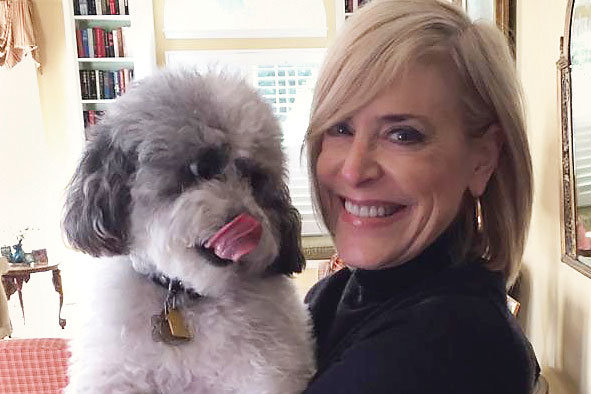
Voices for Those Who Can’t Speak For Themselves
How do you speak for the voiceless? And to whom do you speak? The answer is pretty simple. You talk to the people who have the power to make change. That means lawmakers.
Last week, the ASPCA held its annual Maryland Voices for Animals Day in Annapolis as our General Assembly continues its 90-day legislative session.
The ASPCA is championing a number of animal welfare bills, and on Voices for Animals Day, animal advocates gather in Annapolis to speak about these bills to their own district’s legislators.
That means lawmakers are hearing from real constituents in their own districts about issues that are important to them. It carries weight because those lawmakers need to know what’s important to those who elected them.
This is the first year I participated in Voices for Animals Day. Here’s how it worked.
We all gathered in the morning to learn about the animal welfare bills that are supported by the ASPCA. Then we headed off to meetings with our legislators or their staffs to explain the legislation and why it’s important to pass these bills.
A few posts ago, I wrote about these measures and what they would accomplish. Here’s a brief summary.
- State Oversight of Animal Shelters
Last year the General Assembly passed a new animal shelter transparency law. It required certain shelters to establish veterinary care protocols consistent with the Association of Shelter Veterinarians guidelines. This year’s bill builds on that progress, requiring enforcement by the Dept. of Agriculture to ensure that the shelters implement these protocols.
- Mandatory Veterinarian Reporting of Animal Cruelty
If an animal is being abused, veterinarians are likely to be among the first ones to know about it. This bill would require them to report suspected animal cruelty in the same way that teachers and doctors are required to report suspected child abuse.
- Commercial Dog Breeder Licensure Bill
This bill would broaden licensing rules for animal breeders, ultimately increasing the number of them required to obtain county licenses.
- Humane Adoption of Companion Animals in Research Act
This bill would require research institutions to adopt out animals after they no longer need them for research.
- Animal Abuse Emergency Compensation Fund
This bill would establish a fund to reimburse animal shelters for the high costs of caring for animals that are seized in cruelty cases.
There are other animal-related bills being championed by other organizations and county governments as well. One is known as the Pets and First Responders Bill.
In Maryland, it’s against the law to practice veterinary care without a veterinary license. And there’s no exception made for first responders like firefighters.
So, if your home should catch fire and you’re not there to grant permission, a firefighter is legally forbidden from providing emergency care for your pet that may be suffering from an injury or need oxygen. The Pets and First Responders bill would remedy that.
Another bill is supported by the Baltimore County government. It would require veterinarians to send documentation about each rabies vaccine he or she administers to a dog, cat or ferret.
As you can see, there’s a whole lot going on in Annapolis and our state’s animals have a lot at stake.
Calling your legislators about bills you support can make a difference.
And if you want to participate in lobbying, there’s another opportunity. The Humane Society of the United States is hosting Humane Lobby Day in Annapolis on February 22nd. Here’s a link to learn more and sign up.
http://action.humanesociety.org/site/Calendar?id=116739&view=RSVP&s_src=web_hld17
If you want to be inspired to get involved, just watch this short video I made about MD Voices for Animals Day. J
Pairing Yiddish and dogs may seem strange today, but it would have been even more unusual 100 years ago, said Burko, who received a doctorate in modern Jewish history from the Jewish Theological Seminary in New York.
The dog park diehards tend to be more dog savvy and recognize the benefits of regular canine socialization and the "dog rules" of the park.

Miranda Mittleman, 28, is the author of two picture books, “We Are All Different” and “I Am Important,” with the third book in the “PAWS and THINK!” series scheduled to publish later this year, via indie press Mascot Books.
After a long, cold and lingering winter, it’s time to get out there and enjoy the springtime with your favorite canine companions.