
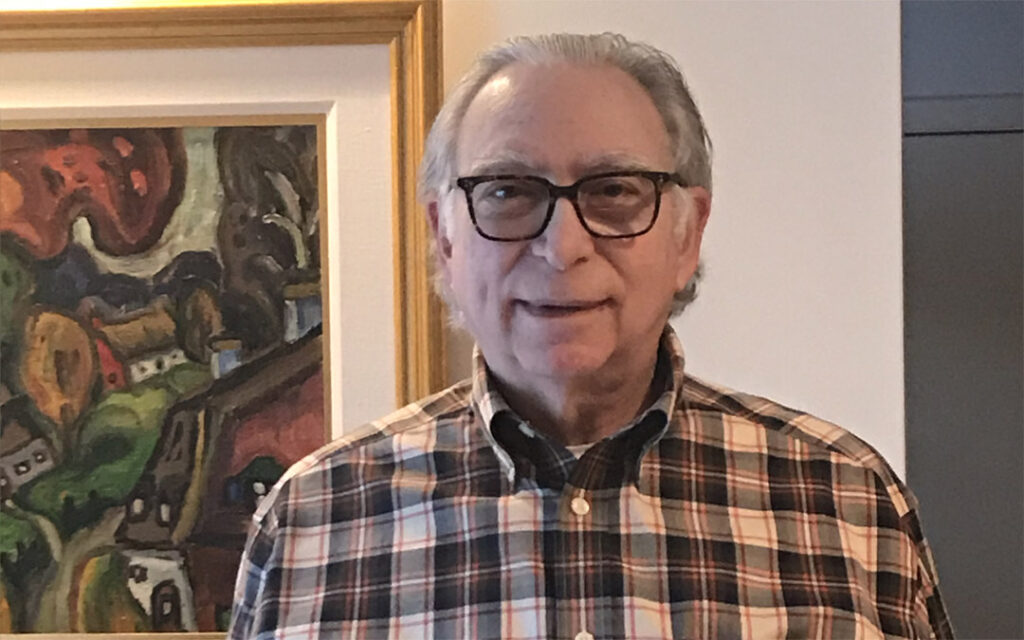
Like many Americans, Abram Kronsberg was outraged by the death of George Floyd, a 46-year-old Black man killed by a white police officer in Minneapolis last May.
Kronsberg, a third-generation Chizuk Amuno congregant and member of the Pikesville synagogue’s social justice committee, contemplated how he could contribute to the fight against racism and police brutality in the United States
A retired associate general counsel for M&T Bank, Kronsberg decided to begin his racial justice campaign by addressing the issue of discrimination and disenfranchisement of Jews of color in his own community.
Kronsberg was one of the creators of the “Jews of Color, Jewish Institutions, and Jewish Community in the Age of #BlackLivesMatter,” a nine-part series sponsored by Chizuk Amuno and the Jewish Museum of Maryland.
Jmore recently spoke with Kronsberg, who lives in Pikesville.
Jmore: When confronting racism in America, why did you decided to start with the Jewish community?
Kronsberg: George Floyd’s death had a tremendous impact. We knew we had to do something about racism and the deaths of Blacks at the hands of police. For me, it was, ‘Let’s get our own house in order.’ The Jewish community has its own problems with racism. People in the community should understand that all is not well. There are problems. And it’s easier to relate to problems in your own community rather than [trying to relate to] an abstraction.
I have a grandchild of Korean heritage, and I was concerned about how welcoming the Jewish community would be to her.
How did you take this on?
I thought maybe there was something we could do in the Jewish community about Jews of color. I’m on the board of the Jewish Museum of Maryland. We were shut down during the pandemic, and I thought this would be a great way to bring [the JMM and Chizuk Amuno] together.
So we got together with Tracie [Guy-Decker, former JMM deputy director] and [local psychologist and activist [Harriette [Wimms], and from there it kind of took on a life of its own. Harriette [who is a Jew of color] lives this, so she didn’t have to study.
But for me and [Chizuk Amuno leader] Andy [Miller], we had to learn the subject matter to understand the issues faced by Jews of color. We wanted our program to emphasize four different strands. We wanted to stress importance of diversity and inclusiveness in the Jewish community; to stand in solidarity with members of the Jewish community that were under duress; create opportunities for those members who were affected by racism who have not received the attention they deserve; and we wanted to create a series, locally arranged and produced that emphasized Baltimore.
I felt it would be possible to move the needle. I think it’s something we’ve succeeded in doing, and I’m most proud of it.
What has been the reaction?
I’ve had people ask, ‘Why is this important?’ You have to explain there’s a part of the community that’s underserved and ignored. If we’re going to be a diverse community, we have to make an effort to be inclusive.
When some Jews are discriminated against, it’s up to all Jews to respond. We have an obligation for tikkun olam [repairing the world].
What can white Jews do to help Jews of color?
We don’t go through the same issues as Jews of color. You have to learn to listen a little, and that’s not very easy to do. A lot of allies have their own ideas of what should and shouldn’t be done. You have to listen more to get to solutions. Also, we have to be willing to be allies. We need to carve out time in our busy lives to help others in need.
Do you feel optimistic about the Black Lives Matter movement and the quest for racial justice in America?
I’ve been plugging away at this for 50 years. These problems haven’t been solved. But we can’t get discouraged. Those who want to be allies have to keep on trying. That’s the only way to make change. Things will get better if we try.
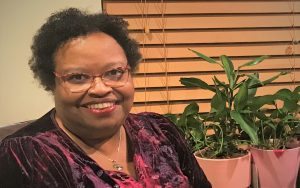
Dr. Harriette Wimms calls herself "an unintentional leader." Jmore talked with Dr. Wimms about her Jewish journey and her involvement in programming about Jews of color, including the upcoming National Jews of Color Shabbaton.
Programming in the Jewish community tackles the complexities of racial justice.
The Baltimore Jewish Council's "18 Days Exploring Racial Justice" program kicks off Oct. 14, and the new virtual program invites Jewish individuals and communal groups to participate in 18 days of learning and reflection about racial justice.
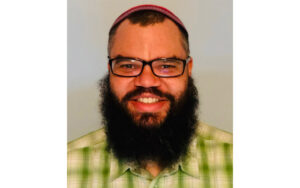
Jews and Blacks need to work together closely to stem the tide of white supremacy, says Yosef Webb-Cohen.