
By Eitan Beck, Seventh grade student, Krieger Schechter Day School of Chizuk Amuno Congregation
Cars are becoming more technologically advanced, with features like automatic emergency braking and advanced driver assistance systems. Also, the number of new electric cars is on the rise.
However, some people, like myself, do not want electric and self-driving cars to become the new gasoline car just yet. While we care about the environment, not having gas-powered cars means that we will never hear the sound of a car revving or accelerating anymore because those futuristic cars are completely different. But some experts believe that car manufacturers will add retro gasoline-engine sounds that simulate traditional car sounds.
According to Vox.com, there are four levels of automation in a car. Level 0 means that the driver is fully in control of the vehicle. Level 1 means that the vehicle provides information and warnings to the driver, but the driver is still responsible for driving the car.
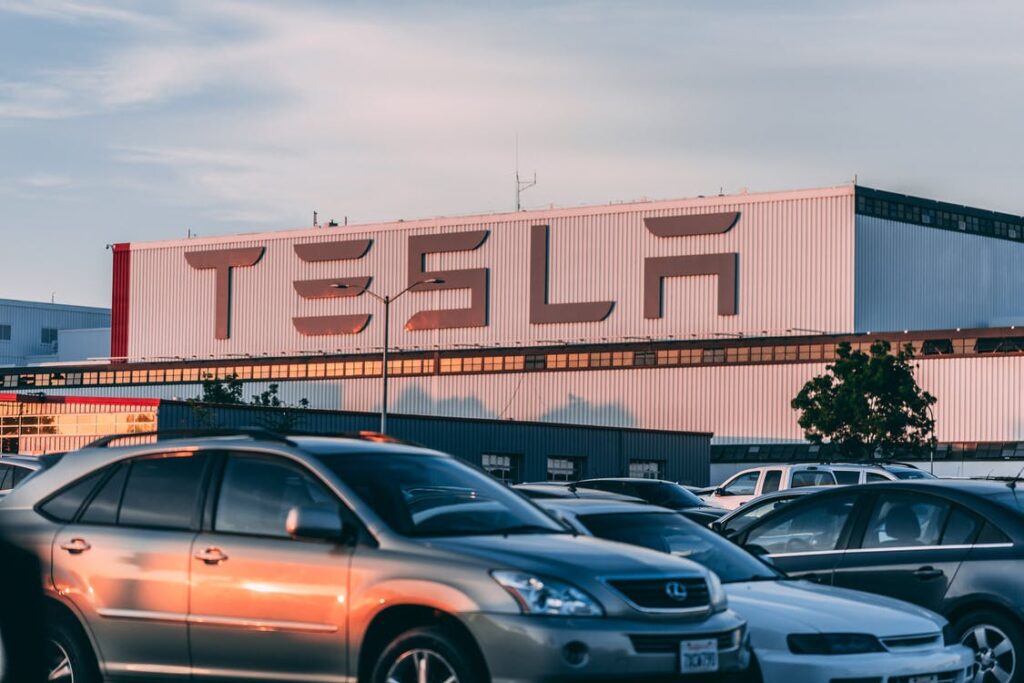
Most new cars have level one features in the vehicle. Level 2 is the most advanced level of cars that are on the roads today with companies, like Tesla adding an autopilot feature in their cars which allows the car to drive itself, with the driver being ready to take action in an emergency. Levels 3 and 4 will be fully self-driving and even more eco-friendly with drivers being able to relax and do whatever they want when behind the wheel.
Eli S, a seventh grade student at Krieger Schechter Day School, advocates for electric cars because they will likely pollute significantly less. “My ideal car in the future is a self-driving car that is reliable, and small, but with enough seating for 7 or 8 people,” Eli said.
According to Vox, some public officials are claiming that the majority of cars will be electric by 2030. But the truth is that by 2040, only 35% of new cars on the market will be electric. Another prediction is that solar-powered cars will become more advanced and increasingly popular, because as long as the sun exists, cars can move.
Furthermore, thedrive.com claims that in a future where self-driving cars are the norm, humans driving cars will become a hobby or pastime like horseback riding and golf. Business Insider predicts that private car ownership will drop by 80% by 2030, and the amount of global oil demand will decrease to 70 million barrels per day in 2030. (This sounds high, but the world used 95 million barrels of oil last year).
Cars in the future will have room for more things than before due to lack of an engine, and going on road trips will be cheaper; no money needed for gas. Electric cars are also faster than gasoline cars, simply because of the missing weight of the engine, and an electric car’s motor is much simpler than an internal combustion engine. The top 0-60 time in the future will likely break two seconds.
In conclusion, in 50 years, cars and life in general will be much different than what we are used to today.
Eitan Beck is a seventh grade student at the Krieger Schechter Day School at Chizuk Amuno Congregation.

Jmore Juniors Noah S. and Eli S. take a look at the differences between the Jewish communities of Baltimore and Chicago.

Madeline L., a seventh grade student at Krieger Schechter Day School, writes about the phenomenon that has been Starbucks over the past half-century.

An eighth grade student at Krieger Schechter Day School, Jmore Juniors writer Micah B answers an array of questions from his peers.

Arguably more than any other time in modern history, trends are more prevalent and pervasive, writes Lily M., a seventh grade student at the Krieger Schechter Day School.