
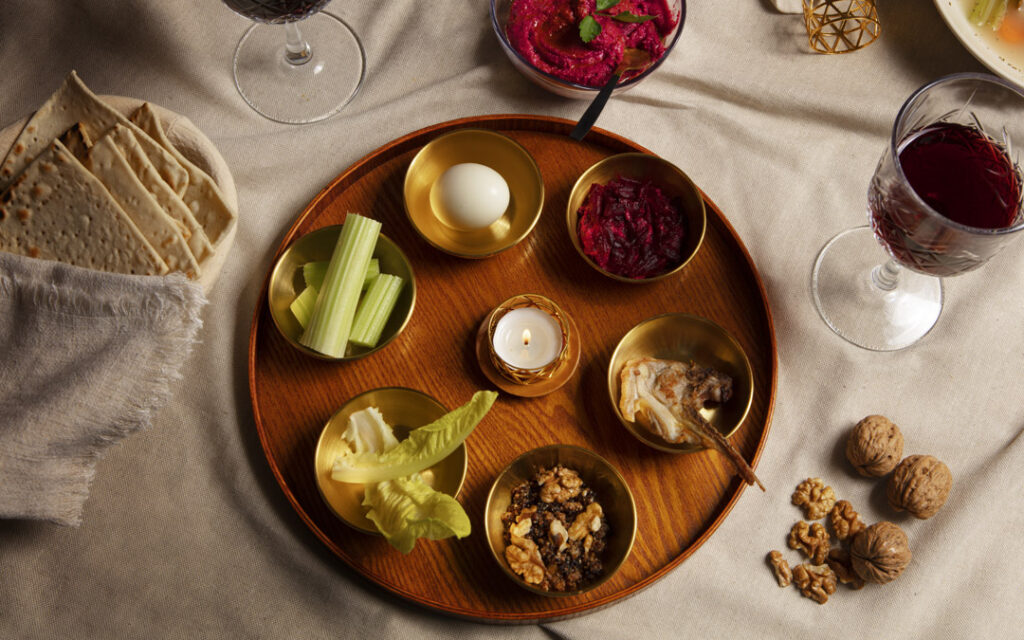
The educator and author Rabbi Yosef Zvi Rimon’s explanation of the Haggadah’s Maggid section is transformational, the best explanation I have heard of making sense of the Maggid’s structure and underlying educational message. I will offer a condensed version of his commentary in the hopes it will change your seder experience as much as mine.
While there is a mitzvah to speak about the exodus from Egypt every day of the year (see Devarim 16:3), what makes the mitzvah so special on Passover eve, Rabbi Yosef Dov Soloveitchik explains, is that the function of our remembrance is to elicit praise and thanks to God. This is why we engage in such elaborate discourse at our seder by means of guided reading material (i.e., the Haggadah). With this agenda in mind, Rabbi Rimon presents the Maggid section as a composite of four separate sections, each dedicated to evoking praise and thanks.
Different people learn material differently. Some appreciate stories, others are more textual, while others learn better through visual prompts. That’s why there are four parts to the Maggid section, each composed of a question, an answer and an offering of praise to Hashem.
The first way the Maggid section relays the message of the exodus is through telling the physical story of the exodus. This explains why this first section opens with Mah Nishtana, four questions pertaining to physical actions: eating matzah and maror, dipping the karpas and maror, and reclining at the seder table. We then offer an answer that relates to our physical bondage — avadim hayinu, “We were slaves to Pharaoh in the land of Egypt. And the Lord, our God, took us out from there with a strong hand and an outstretched forearm.”
Each of the four sections concludes with praise. This section’s praise is baruch hamakom baruch hu: “Blessed be the Place [God], blessed be He. Blessed be the One who gave the Torah to His people Israel, blessed be He.”
The second mode of discussing the exodus is through a spiritual story. This section begins with the questions of the four children (wise, wicked, simple and the one who doesn’t know how to ask), all focused on understanding the deeper, more spiritual side of the exodus. The answer to these questions describes the story in terms of the spiritual experience of the nation: ”From the beginning, our ancestors were idol worshipers. And now, the Place [God] has brought us close to His worship.” This is followed by a similar praise to that of the first section, this time focused on God’s promise: “Blessed be the One who keeps His promise to Israel, blessed be He.”
The third mode of explanation is for those who prefer text-oriented explanations over stories. This is the detailed part of the seder revolving around four Torah verses: Devarim 26:5-8. This textual section opens with the following question: “Go out and learn: ‘What did Lavan the Aramean sought to do to Ya’akov, our father?’” This section’s answer is the meticulous delineation of the four aforementioned verses. This stretches all the way through the Ten Plagues, Rabbi Yehuda’s mnemonic for the plagues, and the debate between Rabbi Yose Haglili, Rabbi Eliezer and Rabbi Akiva over the number of plagues that befell Egypt, all connected to these verses.
The praise of this section is the song Dayenu. Rabbi Rimon points to the sophistication of this praise. For instance, take the line: “If [God] had brought us close to Mount Sinai and had not given us the Torah, it would have been enough for us.” Why would it have been “enough” if we didn’t receive the Torah? This is just one example of why this thought-provoking praise fits the third section, geared toward intellectual, text-based analysis.
We all know people who become instantly fatigued upon exposure to deep textual analysis. This is why the fourth and final method of discussing the exodus offers an alternative, visual-based way of learning. This is the section with Rabban Gamliel’s three questions and answers. Here we are aided by physical props, the shankbone symbolizing the Passover sacrifice, matzah, and maror, to enhance the visualization. We point to them and lift them up as we inquire about their symbolism. We then provide answers for each symbol.
This section has questions and answers; all that is left is to offer praise and thanks. And this is what we do, in a big way — through the Hallel! We raise our glass of wine and begin reciting Psalms of praise leading us into the conclusion of the Maggid section and the commencement of our Passover feast.
The Passover seder is about asking questions and sharing the miracle of the exodus. For us to be most effective in this endeavor, we must remember that each child, and each adult for that matter, needs to be taught in their own way. This year as we discuss the exodus, let’s keep in mind these varied methods of learning so that we can evoke praise, thanks and inspiring discussions at our seder tables.

Rabbi Dr. Eli Yoggev serves Pikesville’s Beth Tfiloh Congregation.
Many of this year's new children's books for Passover portray the holiday theme of opening one's seder table to guests.
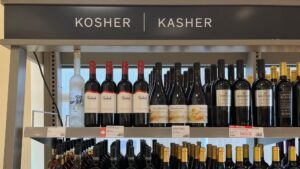
The ban on American booze, which came in response to the the Trump administration's tariffs against Canada, has “created a meaningful opening” for other kosher holiday wines.
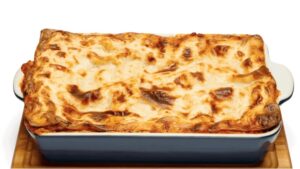
A year-round favorite is reimagined for the Festival of Freedom.

Everything you love about coconut macaroons baked into a soft, sliceable cake.