
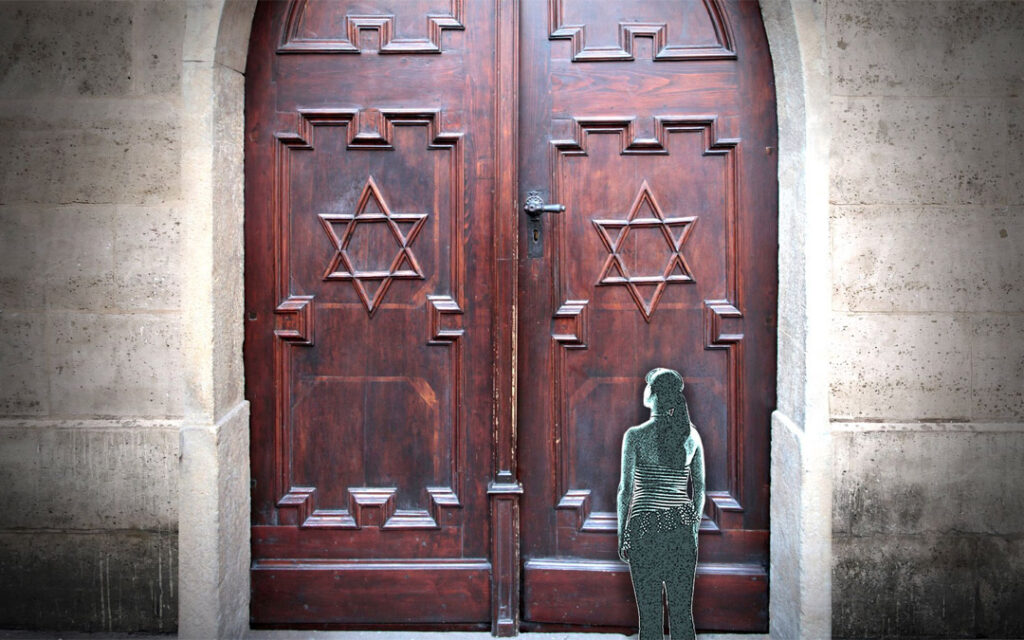
Lately, I’ve noticed a disturbing trend around the world and right here in our own backyard.
I know we’ve all become increasingly accustomed to seeing headlines about colleges and institutions where Jewish leaders and individuals have been intimidated by advocates for the Palestinian cause. An example is the University of Rochester, where activists recently plastered the upstate New York campus with “wanted posters” targeting more than a dozen members of that community who allegedly have ties to Israel and stand for “genocide” and “racism.”
Among those identified were Hillel executive director Joy Getnick and Dr. Iddo Netanyahu, brother of the Israeli prime minister who works as a radiologist at a branch of the university’s hospital system.
“It is one thing to target ideas,” Getnick said. “It is another thing to target specific humans, particularly disproportionately Jewish faculty and staff, which is targeting people because they are Jewish.”
It’s always disconcerting when you hear about these kinds of things. But in your mind, it’s always “somewhere else” — until it actually hits home.
I recently contacted a local Jewish communal professional about an article. I left a voicemail message, but he didn’t call back. Since the story wasn’t about a particularly controversial topic, I was surprised he didn’t respond.
I tried one more time. This time, he called back, profusely apologizing for not returning my previous message. But a hectic schedule or being on vacation were not among his excuses.
“To be honest, I’m trying to keep a low profile right now,” he said. He explained that pro-Palestinian activists recently put up posters of himself and members of his organization’s board. The activists even protested his organization’s recent events and stood outside the private residences of board members with signs and chanting slogans.
“The world’s gone meshugge,” I said, upon which the communal professional simply uttered a resigned, “Yep.”
For a while, I’ve also noticed some Jewish organizations, when emailing press releases about upcoming gatherings, fail to mention where these events take place or particular times. I called one group to inquire, and a rep told me they weren’t giving out that information publicly because of fears of protesters showing up and causing trouble.
Maybe I’m being naïve here and stating the obvious, but this is no way to live. It’s bad enough that many Jewish community groups and organizations have to cough up big bucks to ensure their institutions and events have plenty of security these days. But now we have to be afraid to let folks know where these happenings are taking place or what time? All due to Israel’s decision to respond militarily to the Oct. 7th attacks?
Mind you, I’m not blaming the communal professionals and institutions for this trend. They have to do everything within their powers to make sure they and their constituents are well-protected and don’t have to deal with stressful, volatile or potentially violent situations. It’s not a matter of cowardice; this stuff is real.
At the same time, I personally can’t live my life looking over my shoulder. After 9/11, someone advised me not to go to shul on Rosh Hashanah because of fears of more terrorist attacks. I responded I had the absolute right to attend services for the Jewish new year and wouldn’t let anyone stop me.
I suggest, as a community, that we do the same. Yes, we must be on our guard, remain security-minded and vigilant. At the same time, we cannot let anyone prevent us from living our normal lives and operating as a community in the best manner possible.
Sincerely,
Alan Feiler, Editor-in-Chief

Jmore Publisher Scott Rifkin, M.D., reacts to President Donald Trump's latest poll numbers and the real force behind the growing decline of the Trump movement.

Last weekend's Flower Mart once again demonstrated that there's nothing to fear about downtown Baltimore, writes Michael Olesker.
A junior at Roland Park Country School, Katie Grossman writes about a recent experience that spurred her to take action to fight antisemitism.

At a time when many Jews fear appearing Jewish in public, seeing Judaism depicted correctly onscreen is reassuring, writes Jewish content creator Rabbi Yael Buechler.