
The modern workplace has become increasingly shaped by uncertainty. From artificial intelligence transforming hiring practices to shifting expectations around a proper work-life balance, employers and employees are trying to adapt to a rapidly evolving landscape.
On Wednesday, June 3, from 4 to 7 p.m., Jewish Community Services will host “The Future-Ready Workplace” at the DoubleTree by Hilton Hotel-Baltimore North, at 1726 Reisterstown Road in Pikesville.
The free event will be presented in conjunction with JCS’s 18th annual meeting and hosted by its Ignite Career Center.
“The Future-Ready Workplace” will bring together employers, employees and job seekers for networking opportunities; remarks from Maryland Commerce Secretary Harry Coker Jr.; and a keynote address from workplace expert and bestselling author Liz Fosslien.
JCS is an agency of The Associated: Jewish Federation of Baltimore. Jmore is a media sponsor of “The Future-Ready Workplace.”
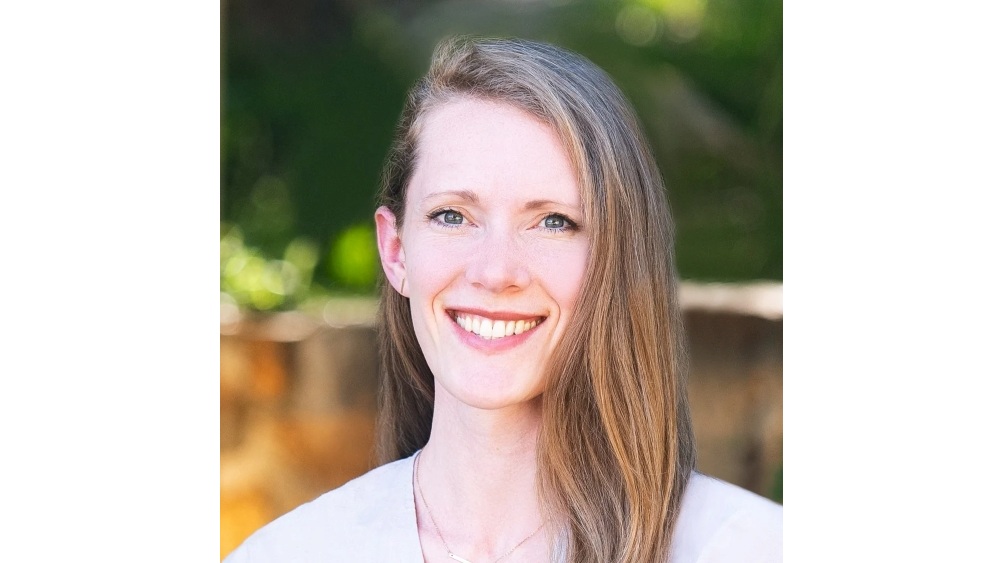
“A ‘future-ready’ workplace is accounting for the massive uncertainty we’re experiencing,” said Fosslien, a San Francisco area resident who has studied workplace culture for more than a decade. “[Job seekers] want an accurate assessment of what’s happening and a path forward so they believe in the leader’s ability to guide them through that. And I think also that involves being emotionally fluent, understanding how to have difficult conversations, understanding how to communicate difficult decisions in a way that is still empathetic but still builds people’s confidence that it will be OK.”
Fosslien’s talk will focus on how employers can better communicate in today’s chaotic job market while helping employees feel valued and supported.
She said workplace uncertainty has created growing anxiety for employees and job seekers alike, particularly as workplaces continue adjusting to shifts that emerged during the pandemic.
The pandemic accelerated the rise of remote and hybrid work while also forcing many employees and employers to rethink expectations surrounding flexibility, said Fosslien.
As professional and personal lives increasingly overlapped during lockdowns and virtual meetings, many workers began prioritizing mental well-being and finding careers that offered both stability and flexibility.
At the same time, employers grapple with how to build cohesive workplace cultures across multiple generations of workers, particularly as younger employees place a greater emphasis on mobility and personal fulfillment, Fosslien said.

“It has also created an environment where we as employers have to understand that people will not necessarily stay for long periods of time,” said JCS Executive Director Joan Grayson Cohen. “They may come, they may bring their talent and then move on to some other opportunity. And we have to understand that and plan for that.”
In some cases, hiring managers have noted that job seekers are increasingly using AI tools to prepare resumes, applications and even interview responses in real-time.
Not only does this trend raise questions about authenticity, but it also underscores how quickly AI is becoming embedded in the job search process itself.
As a result, candidates who are open about using and learning AI tools may have an advantage in a changing labor market.
“They need to be able to articulate to employers that they are not afraid to use it, they’re willing to use it and they’re willing to learn because that’s what employers are looking for,” said Lisa Gorman, senior manager of career services at the Ignite Career Center.
But with automation tools becoming more sophisticated and integrated into daily business operations, anxiety among job seekers is being compounded by growing fears that AI could eventually replace large segments of the workforce.
Fosslien said those concerns are understandable, but she believes the strongest candidates moving forward will be those who can combine technological fluency with distinctly human skills.
“Employers are not looking as much for the perfect resume or the perfect job experience,” Fosslien said. “They more want someone who’s open to new experiences, is able to think critically and can blend worlds.”
Despite the growing role of digital tools in hiring and job searches, in-person connection remains a critical part of the employment process, particularly when it comes to building trust.
“Whenever you can create mutual understanding or a shared frame of reference, it’s beneficial moving forward,” said Jacki Ashkin, director of community connections for JCS. “Each person learns something from the other about the other. And let’s face it, work is all about relationships.”
For information, visit jcsbalt.org/future-ready/,
Karuga Koinange is a local freelance writer.

A Baltimore native, Sweren was a collector of artists' books whose own works were displayed in national galleries.

The BCO, founded in 1984, will perform the works of Frank Zappa, Beethoven, Mason Bates and Karena Ingram.

For more than 130 years, Sol Levinson & Bros. has been woven into the fabric of Baltimore’s Jewish community.

Led by local Israel-American cellist Amit Peled, the Mount Vernon Virtuosi aims to inspire people beyond musical enjoyment.