

כָּל֨וּ בַדְּמָע֤וֹת עֵינַי֙ חֳמַרְמְר֣וּ מֵעַ֔י נִשְׁפַּ֤ךְ לָאָ֙רֶץ֙ כְּבֵדִ֔י עַל־שֶׁ֖בֶר בַּת־עַמִּ֑י בֵּֽעָטֵ֤ף עוֹלֵל֙ וְיוֹנֵ֔ק בִּרְחֹב֖וֹת קִרְיָֽה׃
“My eyes are spent with tears,
My heart is in tumult,
My being melts away-
Over the ruin of my poor people,
As babies and nursing children languish
In the squares of the city.” (Lamentations 2:11)
I spent 45 minutes this morning in hospice with a 100-plus year old woman. I sat there by myself at her bedside while she slept peacefully beneath a pink blanket. The television played a series of nature scenes — a running brook, a forest; and soft music played, a gentle tune without words.
After I recited the viddui (final prayers before death) on her behalf, I sat back in the comfortable chair and thought what a blessing it was to be dying peacefully, without pain, surrounded by loved ones.
As I sat there and she slept on, I pulled out my phone. I can’t seem to stop looking at it, horrifying though the images and words may be. What a contrast her beautiful death, in the fullness of her life, would be.
A contrast to the more than 1,200 brutal deaths of her fellow Jews. Forty babies murdered in Kfar Aza alone. Two-hundred-and-sixty teenagers slaughtered at a music festival. My teenage daughter saw videos of Hamas terrorists raping girls next to their murdered friends and asked me, “Mom, do you know what they’re doing to teenage girls?”
Where’s the parenting book that tells me how to respond to that question?
We can never unsee and unknow what we have seen and what we have come to know since last Saturday morning. As a rabbi I see a lot of death, most of it after a full life lived. It’s difficult to process the constant exposure to, and engagement with, death.
But what I’ve seen, what we’ve seen in the past four days, is unprecedented horror and callous disregard for human life. There is no processing or making sense of this.
And yet there is beauty. Heartbreakingly, achingly beautiful moments and stories and images both from here and abroad.
Our prayer services beginning on Saturday morning were heartfelt and so touching. We sang the Psalms of Hallel to the songs of Israel, we stood to chant Hatikvah (Israel’s national anthem) with hundreds of parents and children, and we embraced one another as we cried. We venerated the Torah, though we did not dance.
How could we dance when our dead lay before us?
Sunday morning, one of our regular security guards (because synagogues now need armed guards every single day of the year) came over and asked if he could give me a hug.
“I know you are all hurting,” he said. “It’s terrible what’s happening. We are going to keep you safe. We are going to protect you.”
That same day, I was sent a video from a friend of a combat soldier in Israel attending the bris (circumcision) of his son over FaceTime. He recited the father’s blessing as he heard the name of his 8-day-old son pronounced for the first time. And then he and his unit responded as traditional, “b’damayich chayi” — “Through your blood you will live.”
Indeed, we are living through the blood of this outright war on Jews. Make no mistake, this is a war on the Jews. Just listen to the terrorists shout that as they raise their bloody weapons — “Death to the Jews.”
That is why I cannot remain silent, and I hope you cannot either. Moral decency requires us to be outraged at the rape, murder, bodily desecration, kidnapping and torture of babies, children, teenagers, men, women and the elderly.
Human decency requires an outcry at the depths of depravity of Hamas.
May God have mercy on us all.
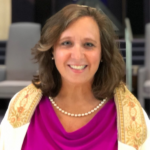
Rabbi Debi Wechsler serves Pikesville’s Chizuk Amuno Congregation.
Commemorations of the Holocaust must transcend the past to include concerns about the present and future, writes Menachem Z. Rosensaft.

Someone needed to tell Donald Trump that his appearance at a UFC fight over the weekend was not a good look, writes Michael Olesker.
Scholar Izabella Tabarovsky will speak at the “Generations of Courage” program on Apr. 26 at The Associated's Goldsmith campus.
Journalists bear a responsibility to go beyond the headlines and social media posts to understand the past and present, writes New York University student Lucia Alonso.