
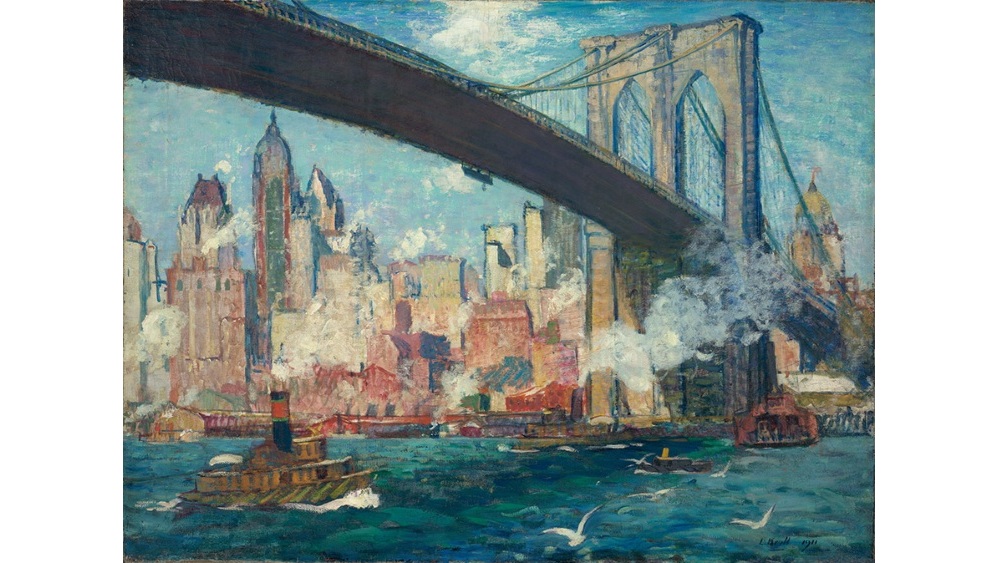
The Baltimore Museum of Art will present “Seeing the Essential: The Sigmund M. and Mary B. Hyman Collection of American Art” from May 10 through Sept. 13.
The exhibition will showcase more than 100 works from the collection of the late local Jewish community philanthropists and benefactors Sigmund “Sig” Hyman and Mary Bloom Hyman.
For more than six decades, the Hymans, who lived in Stevenson, built an art collection with an interest in contemporary American culture and history, aesthetic beauty, and an appreciation for artists who depicted everyday life.
“Sig and Mary Hyman collected with an astute curiosity, an abiding belief in the power of history, and a sense of conviction,” said Asma Naeem, the museum’s Dorothy Wagner Wallis director. “The BMA is fortunate to have a significant portion of their collection, ensuring that these works and the stories they tell are accessible to the public.”
Built from the 1960s through the early 2020s, the Hyman Collection centers on American modernist artists, particularly those associated with the Ashcan School art movement of the late 19th century and early 20th century.
Ashcan artists focused on city streets, domestic interiors, working people, performers and the changing urban landscape. Their works offer vivid, empathetic views of American life during a period of rapid social and industrial transformation.
Among the exhibition’s highlights will be more than 20 works by John Sloan, a leading Ashcan artist and former newspaper illustrator.
Other works include Guy C. Wiggins’ large‑scale Impressionist streetscape “Midtown Looking Down Fifth Avenue,” John Singer Sargent’s charcoal portrait “Miss Enid Morse,” and “Provincetown,” Marguerite Zorach’s Cubist interpretation of the Cape Cod harbor. (Mary Hyman, who passed away in 2024 at age 97, was born and raised in Cape Cod.)
The exhibition also reflects the transnational and multi-cultural dimensions of American modernism, featuring works by Native American, immigrant and European artists whose perspectives shaped and challenged dominant narratives of American art.
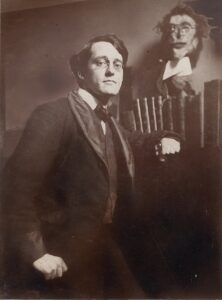
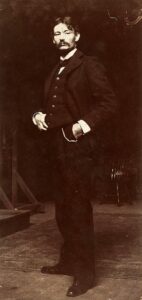
The exhibition’s title draws inspiration from Ashcan artist and educator Robert Henri, who in 1923 wrote that the ability “to see and to remember the essential” was fundamental to artistic purpose.
“We are very grateful for [the Hymans’] generosity as it reflects a deep belief in the power of artists to illuminate everyday life,” said Naeem.
“Seeing the Essential” is co‑curated by Virginia M.G. Anderson, the BMA’s senior curator of American art and department head of American painting and sculpture and decorative arts; and Robin Owen Joyce, the museum’s assistant curator of academic engagement.
This exhibition is supported by the Sigmund M. and Mary B. Hyman Fund for American Art.
The BMA is located at 10 Art Museum Drive. For information, visit artbma.org/exhibition/seeing-the-essential-the-sigmund-m-and-mary-b-hyman-collection-of-american-art.

The Jerusalem Orchestra East & West, which arranged the program for young musicians, blends Western orchestral music with Middle Eastern traditions.

Pikesville resident and entrepreneur Luna Rosendorff discusses what she's seeing these days in the world of contemporary interior design.
Jewish Community Services' upcoming "Future-Ready Workplace" event will feature a keynote address from workplace expert and bestselling author Liz Fosslien.
The BCO, founded in 1984, will perform the works of Frank Zappa, Beethoven, Mason Bates and Karena Ingram.