

The following column on the aging process was provided by Beth Land Hecht, MSW, LCSW-C, senior manager of Successful Aging at Jewish Community Services.
Is there a way to age gratefully and gracefully? The short answer to that question is YES. This is a huge topic right now. It’s not just about getting older; it’s about continuing to grow, adapting to change, finding meaning and contributing at every stage.
As we age, we gain wisdom, deepen relationships and cultivate purpose. The key to aging well lies in how we view and engage with the process. By embracing it with a positive outlook and open mind, we open the door to growth, self-discovery, and a fulfilling and meaningful life. Concerns about the future are natural, but when we see aging as a time of renewal and opportunity, we unlock its full potential.
Research from [leading aging authority] Dr. Becca Levy shows that our beliefs about aging impact how we age. Those with positive age beliefs tend to live longer, healthier lives. Aging offers opportunities for self-reflection, the pursuit of new passions and continued learning. The benefits of aging lie not in avoiding change but in adapting, contributing and connecting with others.
What are some of the benefits? The benefits vary with the individual. Hopefully (but not always) aging comes with wisdom, resilience and a stronger sense of self.
As we age, we often have more insight into life’s priorities, are able to adapt and manage stress better, and we can empathize more with others. These qualities can enrich our relationships with our loved ones and allow us to contribute meaningfully within our communities.
What are the biggest misconceptions about aging? A major misconception is that aging is solely about decline. Many who are aging experience a higher quality of life than expected, exploring new passions, skills and connections.
Aging is about evolution, not deterioration. Another myth is that loneliness and depression are inevitable but with support, community and engagement, we can thrive at any age.
What are some of the best lifestyle choices for aging well? Staying active, being socially engaged, cognitively stimulated and curious are keys to aging well. Regular exercise, staying involved with loved ones and lifelong learning all contribute to wellbeing. A balanced diet, mindfulness practices and nurturing emotional health also play important roles in maintaining vitality.
Are depression and loneliness unavoidable? Loneliness and depression are challenges, but not inevitable. Staying active, connected and engaged, we can maintain mental health and emotional wellbeing. Recognizing that mental health wellness is as vital as physical health and seeking help when needed is crucial for overcoming these challenges. Unfortunately, depression in older adults is often missed by health care providers and therefore untreated.
How do faith and attitude influence aging gratefully? Our faith, values, and attitude significantly impact our aging experience. By focusing on our mindset, relationships and purpose, we can find meaning and joy daily.
Faith and a positive attitude serve as powerful tools in aging gratefully. A sense of purpose, rooted in personal beliefs or community involvement, helps us navigate life’s challenges. By practicing gratitude and staying open to possibilities, we age with dignity and fulfillment.
All of these are connected: positive age beliefs enhance resilience, leading to better physical and emotional well-being, enabling us to face challenges with hope and perseverance. Being part of a supportive faith community such as a synagogue provides opportunities for intergenerational connection. Judaism places a high value on respecting and including older adults.
Is it possible to age gratefully despite serious health issues? Yes. Aging gratefully doesn’t mean avoiding challenges but facing them with a positive attitude, resilience and acceptance. Even in tough times, we can find strength in community, self-reflection and a sense of purpose. By seeking support and focusing on what we can do, we can continue to age gratefully.
How has the concept of aging changed over time? Today, aging is increasingly seen as a time for continued growth, learning and contribution. Advances in health care and a more positive cultural perspective allow us to live longer, healthier lives. Aging is no longer about slowing down but about embracing new opportunities for personal fulfillment and community involvement. It’s no longer something to fear, but a time to celebrate and embrace.
When is someone truly “old”? Age is just a number; it’s about how we engage with life. People in their 70s, 80s and beyond are often pursuing new careers, learning new skills and contributing meaningfully to the community.
Being “old” is a personal experience shaped by how we live, not how old we are. In Judaism, the Torah considers growing old be a blessing. The Hebrew word for old is Zakein, which can also mean wise.
What are the best ways to age well? Aging well is about embracing the opportunities and challenges at every stage. Staying active, engaged and connected with others is key. Maintaining physical health, nurturing relationships and building new friendships.
Using technology to stay connected, volunteering and participating in activities help build a strong support network. Building a sense of purpose, participating in community life and seeking support when needed are also important aspects of aging well. Healthy habits, including exercise, a balanced diet and adequate sleep, contribute to aging gratefully.
What resources are available locally to help people age well? The Associated’s AgeWell Baltimore offers a network of resources and support for healthy aging. Through The Associated agencies, including Jewish Community Services, the Edward A Myerberg Center and others, community members can access various services to promote well-being. For information, visit agewellbaltimore.org or call 410-500-5328.
How can family members help? Family members play a crucial role by remaining connected, offering emotional support and encouraging engagement with community resources. Frequent communication and whenever possible in-person visits can reduce isolation and loneliness and greatly enhance a loved one’s quality of life, not to mention brightening the day with affection and feelings of love and appreciation.
There are studies which reveal that contact with grandchildren cand reduce declining health in older adults. In addition, family members can assist with healthcare navigation, physical or financial tasks, and help foster a sense of belonging through shared activities.
How can we help a loved one age well if they tend to be negative or pessimistic? When a loved one struggles with negativity, encourage small, positive steps and offer consistent support with compassion. When possible, helping them connect with others, provide gentle encouragement, and focus on their strengths to shift their mindset. Positive age beliefs are contagious, and focusing on the opportunities and strengths of aging can inspire a shift in perspective.
How can society do better for older adults? We can create new and support existing inclusive and intergenerational communities. Inclusive communities are essential for people of all ages to feel welcomed, supported and respected.
Maryland, like much of the nation, is experiencing significant growth in its older adult population, presenting new opportunities to support aging well in our communities. By improving access to health care, social services and age-friendly programs, we can ensure that everyone ages with dignity, purpose, and connection.
A significant step in the right direction is the Longevity Ready Maryland plan, a 10-year, multi-sector strategy by the Maryland Department of Aging to prepare the state for the challenges and opportunities presented by an aging population.
Addressing ageism through education and advocacy is also essential for dismantling harmful stereotypes and fostering a culture that celebrates the contributions of people at every stage of life.
Recommended books on the aging process? These are just a few books that challenge ageist stereotypes and offer fresh perspectives on aging:
- “Breaking the Age Code” by Dr. Becca Levy
- “This Chair Rocks” by Ashton Applewhite
- “Happiness is a Choice You Make” by John Leland
- “Ageism Unmasked” by Tracey Gendron
- “That You May Live Long: Caring for Our Aging Parents, Caring for Ourselves” by Rabbi Richard Address
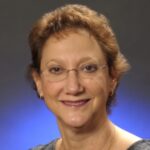
Beth Land Hecht, MSW, LCSW-C, is senior manager of Successful Aging at Jewish Community Services.
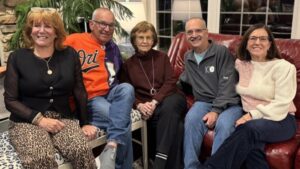
A Norfolk native, Frankle worked at Sinai Hospital, Camp Airy and privately for five decades.
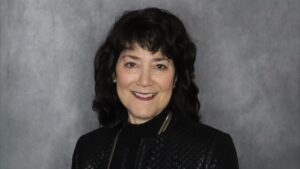
Esther Greenberg, Leora Match, Kathlleen St. Villier Hill and Ben Gershowitz will be recognized for the contributions to the community.
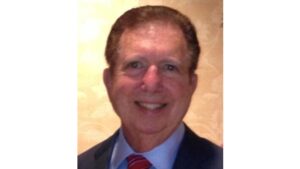
For more than five decades, Dr. Rosenstein was known by local families as a trusted and caring physician for their children.
Jewish Community Services' upcoming "Future-Ready Workplace" event will feature a keynote address from workplace expert and bestselling author Liz Fosslien.