
As we approach our second pandemic Shavuot — to be observed May 16-18 — we appropriate a question from our seders suggested by my most creative and innovative colleague, Rabbi Stuart Seltzer.
Mah nishtanah ha shanah ha zot mi kol ha shanim? How was this year different from all other years?
In all other years we rely on the calendar to unite us, to bring the community together. This year, we observed the calendar alone.
It is often said there are two cycles in the life of every Jew: the life cycle we all experience but go through separately, at different times and places. And the festival cycle, which we go through together at the same exact time.
This year, our cycles were off and we had to reimagine the calendar in new ways. We could not rely on the familiar sounds, smells and experiences. We had to create new ways to experience the holidays.
For Shavuot, staying up and learning in groups at shul was reimagined as an all-night tikkun leil shavuot over Zoom. Dozens of synagogues and Jewish institutions in Baltimore came together online to study from 8 in the evening until 5 in the morning, when an early Shacharit was offered to greet the giving of the Torah.
Torah was taught across the Jewish spectrum without cost or barrier, and served as a fitting corrective for the Omer period when a lack of understanding and love between Jews led to death and destruction.
Tisha B’Av brought people who had never observed the festival to synagogues online to hear the sad, mournful music and listen to Lamentations chanted from living rooms floors and back decks.
It was hard to imagine Rosh Hashanah without the traditional trappings of a synagogue-based High Holidays, yet we conceived how to capture the traditional experiences of the High Holy Days in innovative ways. The receiving line became a drive-thru Machzor pickup at shul complete with honey sticks, white kippot and instructions on how to participate in services through the television screen in your home.
Tashlich was observed through small neighborhood gatherings at bodies of water throughout Baltimore, where we cast our sins upon the waters. The mitzvah of hearing shofar in person happened on a grand scale in parking lots on Rosh Hashanah afternoon. For Yom Kippur, the themes of the holiday were explored through choral music and visual imagery, through home participation from every age group.
Sukkot brought new challenges, so many synagogues built multiple sukkot on their sites and had families sign up to have a meal with their own households in a sukkah, to shake the lulav and etrog, and make the blessing. Many did hakafot, the procession with the lulav and etrog outside on fields on beautiful fall mornings. And we delighted in taking virtual tours of friends’ sukkot as they worshipped in them at home.
Chanukah was always a home-based festival, but even that we shared in new ways. We lit candles together online and the lights burned brighter. We dropped off gifts on doorsteps and threw chocolate gelt at the screen during Zoom b’nei mitzvah.
Purim meant that we had come full circle on our Jewish festival cycle. We held Purim CARnivals from our cars. Horns were honked at Haman’s name, we got all dressed up even with no place to go. Communities made dozens and dozens of mishloach manot packages to thank our first-responders and delivered them safely to hospitals and firehouses. We remembered our honored elders at Purim with special packages left at assisted living facilities.
And when we found ourselves at our second pandemic Passover, we inaugurated new ways to tell the Exodus story to our children. The virtual Feast of the Firstborn was BYOB — bring your own bagel. After thousands of years of celebrating seder in a certain way, we created Zoom sedarim, and families across countries and time zones celebrated together, some for the very first time. Elijah got his own Zoom box, and people printed shankbones if they were afraid or unable to shop.
Over this past year, while we could not rely on the familiar sounds, smells, sights and experiences of the festival cycle, the calendar remained decidedly the same familiar rhythm. The past year has brought more innovation to the Jewish calendar of observances than hundreds or perhaps thousands of years.
Rav Abraham Isaac Kook, the first chief rabbi of Israel, was known to have said, Ha yashan yithadesh ve ha hadash titkadesh — let the old be renewed and the new be sanctified. We have renewed and sanctified our COVID festivals, and brought meaning and newness to our old vessels.
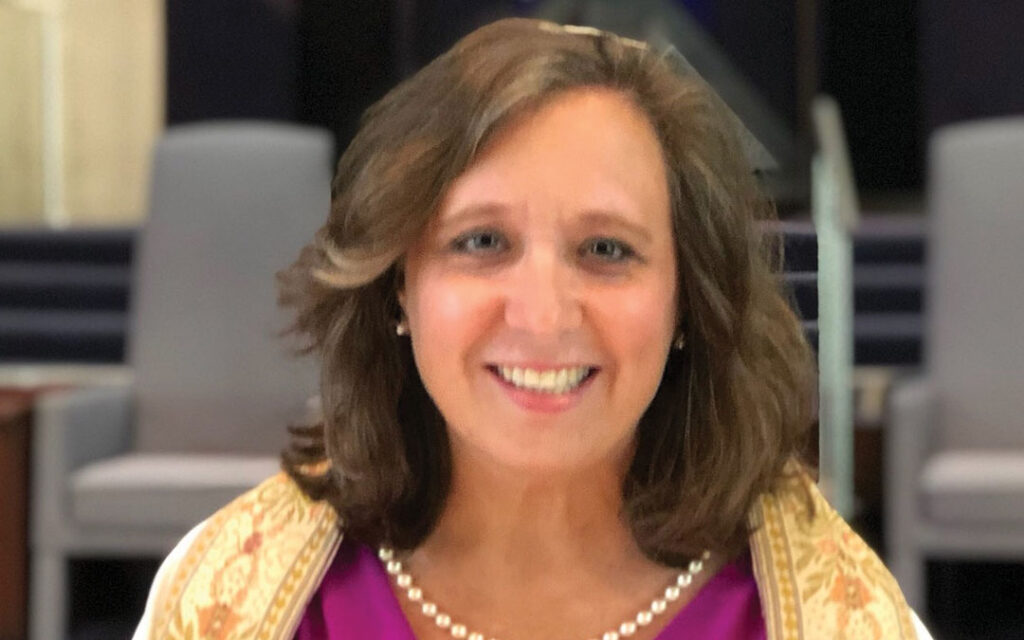
Rabbi Debi Wechsler serves Chizuk Amuno Congregation.
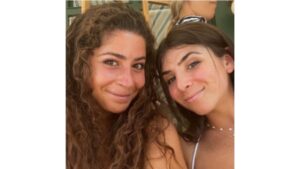
The Jillian and Lindsay Wiener Short-Term Rental Safety Act requires rental companies to conduct annual fire inspections in Baltimore City and every Maryland county.
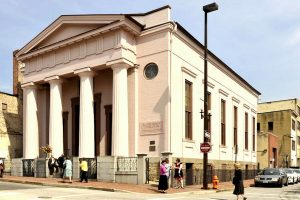
Reproductions of the murals, previously believed to have been lost, are now part of the Jewish Museum of Maryland's new permanent exhibition.
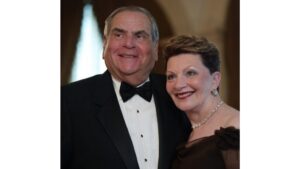
The donation will be directed to help foster research conducted by faculty at the University of Maryland School of Medicine and to advance innovative treatments.
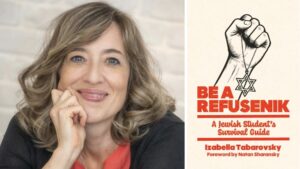
Scholar Izabella Tabarovsky will speak at the “Generations of Courage” program on Apr. 26 at The Associated's Goldsmith campus.