
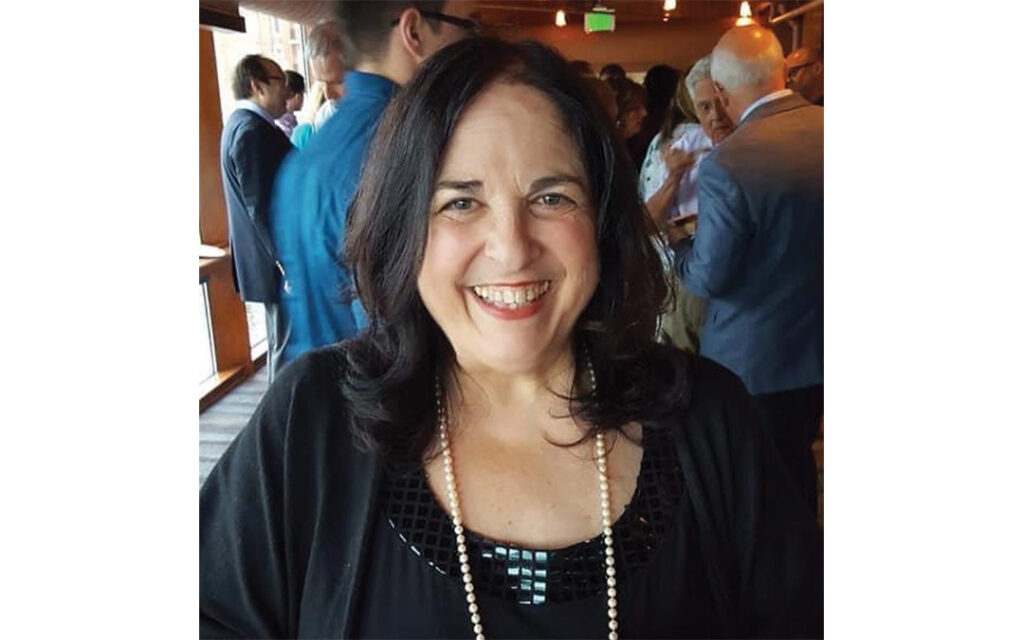
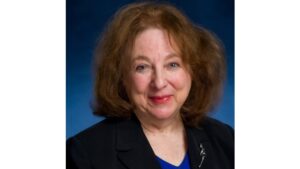
If you live in the Baltimore area and have a child with a learning difference, chances are you’re quite familiar with the name Fran Levin Bowman.
For decades, Bowman taught, tested, advised and advocated for students with learning differences. She also trained thousands of teachers and parents to help dyslexic students learn to read using her Orton-Gillingham-based, Orton-Gillingham “Plus” program.
A Pikesville resident, Bowman died from cancer on Nov. 8 at the age of 69. According to her husband of 38 years, Dr. John Bowman, “Fran lived and breathed learning disabilities and helping kids.”
Bowman, a Baltimore native, attended Pikesville High School and the University of Maryland, where she graduated with a dual degree in elementary education and special education. She earned her master’s degree in special education from Loyola University Maryland. A decade ago, Bowman returned to school to earn a doctorate in educational administration from Seton Hall University in New Jersey.
Early in her career, Bowman taught at the White Oak School in Parkville, where she was part of an interdisciplinary team evaluating students with learning differences and behavior disorders.
Later, when Bowman and her husband moved temporarily to Philadelphia, she again worked as part of an interdisciplinary team.
That experience, said Dr. Bowman, “solidified” her belief in the importance of diagnostic and prescriptive teaching, an educational approach in which teachers diagnose students’ academic strengths and weaknesses, and prescribe appropriate interventions.
In 1983, she founded Bowman Educational Services Inc. Over the years, it grew to include academic and executive function coaches, educational diagnosticians, speech language pathologists, career counselors and educational consultants, providing services in Maryland, New York, Connecticut and California.
In 1994, Bowman published an e-book, “The Orton-Gillingham ‘Plus’ Guidebook,” a structured literacy program based on the original Orton-Gillingham approach. Traditional Orton Gillingham is a multi-sensory approach to reading that helps students connect sounds to letters. Bowman’s program uses aspects of Orton-Gillingham in combination with phonological awareness — the capacity to recognize and apply sounds in spoken language — and fluency training, the aptitude to read quickly and accurately.
Stephanie Pratt, who became Bowman’s Orton-Gillingham “Plus” co-trainer, calls the program “genius. It’s 100% evidence-based … but the biggest thing is, she found this way to make this incredibly difficult task — teaching a child to read — engaging. Teachers feel empowered. This program makes teachers feel like, ‘I can do this!’”
Pratt first met Bowman 15 years ago when she brought in her son, then 8, for a reading consultation.
Bowman recommended Pratt find someone in her hometown — Cumberland, Maryland — to tutor her son using the Orton-Gillingham method. When Pratt was unable to find a tutor, Bowman advised her to get trained herself. Soon after being trained, a series of coincidences resulted in Pratt becoming director of a new dyslexia program at her son’s school. She hired Bowman as a pro bono consultant.
Pratt continued to study with Bowman, developing expertise in the Orton-Gillingham “Plus” technique. About six years ago, Bowman asked her to co-lead the program’s teacher trainings. Together, Pratt and Bowman trained thousands of public and private school teachers across Maryland and West Virginia.
Around 2015, teacher and tutor Stephanie Nislow approached Bowman with an idea for an app. Nislow had taken Bowman’s Orton-Gillingham “Plus” 60-hour training program and was using the method with students. She loved the program but felt sorry for children with reading disabilities without access to tutoring services.
“I sort of created this concept for the OgStar Reading app in my head,” Nislow said. “I decided to ask Fran about [partnering on it] because I knew it needed a solid curriculum like hers.”
Since the release of the first version in 2018, the app has been used in classrooms and by individual students in 39 countries.
“We were working on OgStar until the end. She was very passionate about it and very excited about its potential reach,” said Nislow.
As recently as two weeks before her death, Bowman was busy helping a student with literacy challenges. “She met this woman on Facebook,” said Dr. Bowman. “And the woman was looking for someone who knew about [Orton-Gillingham] to help her son. So Franny got on Facebook and said, ‘I know something about Orton-Gillingham.’ It turned out that the son was in Prince George’s County, and he had been struggling for years and years, and even in 11th grade he still couldn’t read.”
Bowman asked the boy’s mother to email his testing and found he was reading on a seventh grade level. She arranged for an attorney to volunteer her time, and the two of them attended individualized education program meetings for the boy over Zoom.
“She ended up getting the school system to pay for a special education school, and the boy even got free bus service!” said Dr. Bowman. “It’s kind of typical of what Franny did. If there was a student in need, it didn’t matter. If they couldn’t pay for it, she would still make it happen. She would go to the ends of the earth to help people.”
Weekend Backpacks is partnering with Heritage | MileOne Autogroup for the largest corporate volunteer engagement and donation initiative in the organization's history.
Pikesville residents David and Wendy Hefter recently joined Jewish motorcyclists from around the world to raise money for victims of the Oct. 7th terrorist attacks in Israel.
Attorney and Barry Levinson confidante Donald Saiontz left his mark on the world, writes Michael Olesker.
The Baltimore resident taught at Johns Hopkins for five decades.