
We’ve heard it time and time again: “Beauty is in the eye of the beholder.” But what do our beholders see when they look at us?
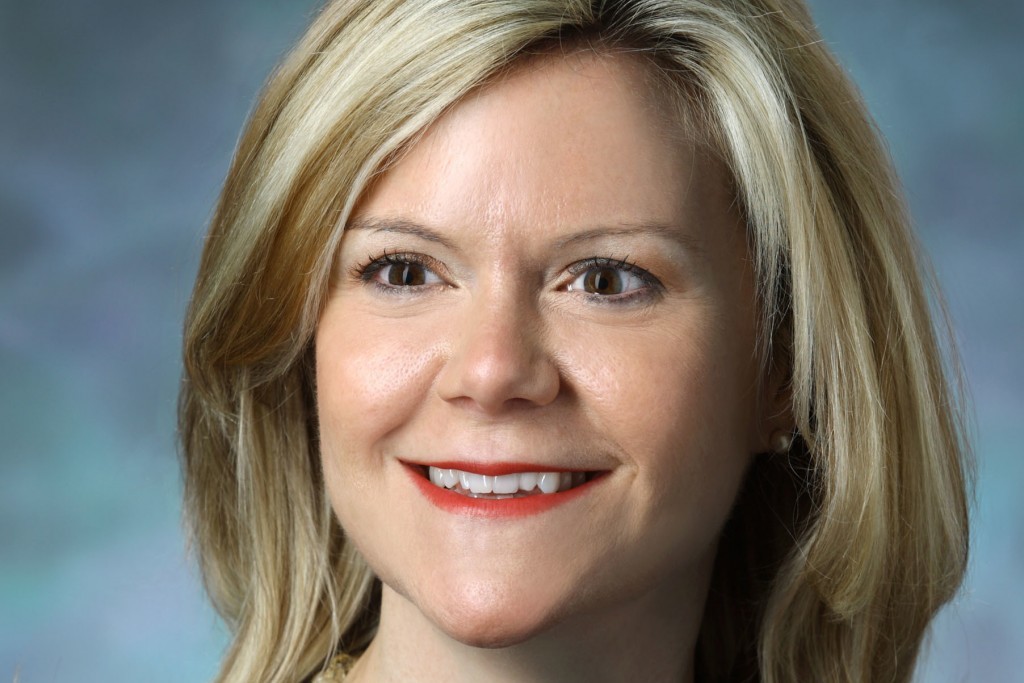
Dr. Lisa Ishii knows something about that subject. An associate professor of otolaryngology/head and neck surgery in the division of facial plastic and reconstructive surgery at the Johns Hopkins University School of Medicine, Dr. Ishii’s research on facial perception informs her work as a plastic surgeon.
She will share some evidence-based beauty tips in her seminar titled “The Cosmetic Counter” at the 23rd annual “A Woman’s Journey.” The Johns Hopkins Medicine annual women’s health conference will be held on Nov. 11, at the Hilton Baltimore Hotel, 401 West Pratt St.
Jmore recently spoke with Dr. Ishii to learn more about what conference attendees will learn at her workshop.
Jmore: What will you be discussing?
Dr. Ishii: The workshop will be very practical. We’ll go through all the things we can do at home — start to finish — to enhance our images. Hair, skincare, makeup, based on my research.
An example of something you’ve learned through your research?
For example, we know that when you have more hair, people perceive you as more attractive, younger and successful, and they talk to you more.
What types of skin care do you recommend?
The most important anti-aging tip is to be judicious about sunscreen regardless of your skin tone. Many people don’t realize that they only need SPF 30. Anything higher has a negligible effect. Also, be sure to use sunscreens that block both UVA and UVB (broad spectrum) rays. And there’s no reason to throw out last year’s sunscreen. It doesn’t go bad.
What about makeup — does that go bad?
No, it doesn’t. Of course, the cosmetics industry wants you to think so. But your makeup doesn’t go bad.
Makeup tips?
Wear foundation to minimize any discolorations on the skin and even out the skin tone. We know that spots caused by aging and sun damage make you look older and less attractive.
We also know that when someone looks at you, the vast majority of their attention is drawn to the eye region of your face. So use some product — mascara or eyeliner—that brings out your eyes.
Hair?
We’ll discuss medical treatments for the hair. For example, Minoxidil works. It’s a topical product that’s FDA-approved and has demonstrated to decrease the rate of hair loss for people with androgenetic alopecia. It slows the process down. We’ll also dispel some myths about hair, such as coloring your hair or wearing hats predisposes you to hair loss. They’re not true.
What about other nonsurgical procedures?
Injectables like Dysport and Botox [Cosmetic] give the most bang for your buck. There’s no downtime, and you can [have the procedure] just twice a year. They are great for minimizing lines around the eyes that can make us look tired or angry. The most impactful place to use them is between the eyebrows.
At what age should people start using injectables?
It depends on their skin type and propensity to frown. Women who frown and furrow may be appropriately proactive by starting in their early 20s to avoid developing a permanent crease. If you lose that window [of time], you may need a filler or surgery later. But most women don’t need to begin until their 30s.
For information on “A Woman’s Journey, “ visit hopkinsmedicine.org/awomansjourney.
Above: Dr. Lisa Ishii (Handout photo)

The Jerusalem Orchestra East & West, which arranged the program for young musicians, blends Western orchestral music with Middle Eastern traditions.

Pikesville resident and entrepreneur Luna Rosendorff discusses what she's seeing these days in the world of contemporary interior design.

Jewish Community Services' upcoming "Future-Ready Workplace" event will feature a keynote address from workplace expert and bestselling author Liz Fosslien.

The BCO, founded in 1984, will perform the works of Frank Zappa, Beethoven, Mason Bates and Karena Ingram.