
Happy Birthday! One of my dear friends turned 50 recently, but she’s in self-isolation. Normally, we don’t make a big deal out of birthdays. But now that we can’t celebrate, we feel its loss.
The whole world has all of a sudden realized the importance of ritual. When the story of the coronavirus pandemic is eventually written, part of that story will be how impactful the loss of ritual has been.
Almost every person who has spoken to me has prefaced a comment about a missed ritual with, “I know it’s a small thing but …” and then they say how sad they are to be missing college commencement or a school play or an unveiling or a bat mitzvah or a shiva visit or an annual trip. It’s lovely that we can maintain perspective and see our missing these rituals as something we are doing for the greater good, but it is most definitely not a small thing.
If Judaism has taught us anything through its rituals, it is that they give shape to our lives and make our days meaningful. A life without ritual is like a warehouse of time, entirely open, no walls or thresholds, nothing to let you know that you’ve moved from one space into another. I don’t think it’s the parties we miss or the champagne toasts, the gracious invitations, or the hours spent. It’s that we are missing the experiences that acknowledge the movement in our lives. We’ve lost life’s stages. In both senses of the word.
Even the smallest of life’s daily rituals — getting dressed, kissing our loved ones goodbye and walking out the door of our homes — have been taken away from us. Without those time- and space-defying rituals, the hours and days bleed into one another. Think of how often you’ve remarked to someone this past week how you are not sure what day it is, or you missed a mealtime.
Without ritual, we find ourselves living in an endless abyss of time.
So what have we already begun to do? We have started to create new rituals. I’ve heard about lots of them: a family that starts their day at home with a daily morning meeting, friends who talk at a regular time on the phone while they each walk in their own neighborhoods, a birthday party held on the Google hangout, weekly happy hour online, and the Zoom bat mitzvah.
When this is over, God willing bimheirah be yameinu “speedily in our days,” we’ll do our best to make up for all the rituals that we missed. We will reschedule the weddings and the baby-namings, the b’nei mitzvah and the milestone parties. But many will be lost forever – the shivas absent of comforters, the brises with no kvatters, the Pesach seders bereft of family, the graduations without cap or gown, the schools plays without audience members.
When we celebrate some of these occasions, we recite the Shehechiyanu giving thanks to God for allowing us the privilege to reach this occasion in its season. This season we need a new blessing, one for those occasions which we missed.
Our blessing will be a lament, for the loss of our precious rituals which have given shape to our lives and left gaping holes where tradition once filled our cups.

Rabbi Debi Wechsler recently celebrated her 20th anniversary as a spiritual leader at Chizuk Amuno Congregation.
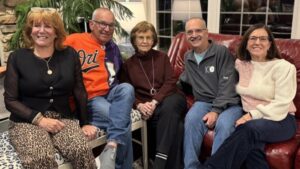
A Norfolk native, Frankle worked at Sinai Hospital, Camp Airy and privately for five decades.
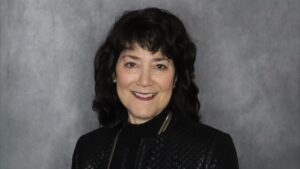
Esther Greenberg, Leora Match, Kathlleen St. Villier Hill and Ben Gershowitz will be recognized for the contributions to the community.
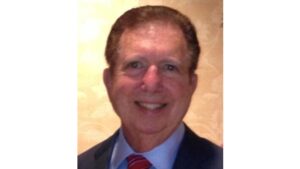
For more than five decades, Dr. Rosenstein was known by local families as a trusted and caring physician for their children.
Jewish Community Services' upcoming "Future-Ready Workplace" event will feature a keynote address from workplace expert and bestselling author Liz Fosslien.