

The holiday of Shavuot — which starts Sunday night, May 16, and ends on Tuesday evening, May 18 — doesn’t universally carry the same star power as its Festival-siblings of Pesach and Sukkot. But in fact, Shavuot is one of the Big Three of the Chagim, or the Three Biblical Pilgrimage Festivals.

In English, we refer to Shavuot as “The Feast of Weeks,” referring to the seven weeks in which the Israelites traveled from Egypt to Mount Sinai to receive the Torah. According to Mel Brooks’ “History of the World, Part I,” had Moses not dropped the cumbersome Third Tablet, we’d have five more Commandments! (I probably should not have studied Biblical history at the University of Mel Brooks. No wonder my credits were non-transferable.)
Shavuot is secondly described in the Bible as an agricultural celebration, whereby the ancient Israelites were to make a pilgrimage to Jerusalem and bring the first fruits of their early summer harvest. It has become traditional to eat dairy on Shavuot, and while the reasons are many, the most popular (and simple to explain in this format) is to symbolize Israel, the “Land flowing with milk and honey.”
And thus, as The Kosher Decanter seeks in all and every occasion: How to pair wine?
Shavuot offers us the wonderful opportunity to not only pair great wines with tantalizing dairy dishes, but just as the holiday signifies the agricultural harvest and the “first fruits,” we are now fully in season of the “first fruits” of the wine world: lovely, fresh and youthful Rosé.
The kosher wine world, following the course closely of the rest of the wine world, has seen a major rise in the popularity of Rosé, and upwards of 150 kosher Rosés are now on the market.
And there is a Rosé for Rosé-lovers of all stripes, and at all price ranges. $60 Rosé? Yes, it exists. Not my bag, but if that’s your thing, you can find it. My belief with Rosé is to find crisp, refreshing and fruity Rosé made to drink now and enjoy with friends.
My idea of what Rosé should cost? Let’s say it should be lower than the cost of your entree. Rosé should be fun and unpretentious.
But Shavuot, while Rosé-friendly, offers plenty of room for other styles of wine, particularly with the dairy meals on the menu. So let’s discuss three pairings on tap for my Shavuot table.
The Aforementioned Unpretentious Rosé:
I plan to pair the 2020 (always try to buy the youngest Rosé to maximize the full expression of the bottle, and right now, that’s the 2020 vintage) Contessa Annalisa Collection Rosé ($13) with our colorful, crunchy and zesty Greek Salad. The fat of the olives and feta work so well with the acidity of this bright, fresh Rosé.
And the best news? The price tag of $13 means you won’t mind popping a second bottle for even your non-favorite cousin.
Easy to Pair Bubbly:
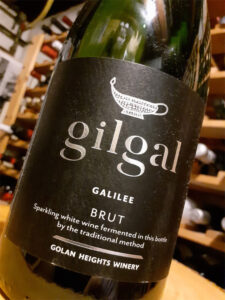
An even newer wine trend is not just sparkling wine, but pink sparkling wines. While we are lucky enough to have our own kosher versions, I will stick with an old favorite for the upcoming holiday, namely NV Golan Heights Winery, Gilgal, Brut, ($18).
Made in the Classical Method of making Champagne, this bottle offers incredible bang for your buck with ageable, layered Brut bubbly at a fraction of the price of Champagne. Made with classic Champagne varieties of 50% Pinot Noir and 50% Chardonnay in the cool climate of Israel’s Golan Heights, pair this winner with your Shavuot staple cheesecake.
And if you don’t have cheesecake on Shavuot, hang your head in shame.
A Serious White Wine:
Shavuot is not all light and bubbly. It’s a pretty serious recognition of our Torah and our heritage. And though our custom is to dine on dairy, complex dairy dishes deserve equally complex wines.
Don’t assume white wines can’t offer depth, texture and the ability to age in your cellar. Any avid fan of The Kosher Decanter already knows where I’m heading. (And who among my legions of readers aren’t avid fans?) Folks, the answer is always Riesling. A brand new offering is now on the market from the Finger Lakes, New York, the internationally-recognized region known for producing fantastic Riesling.
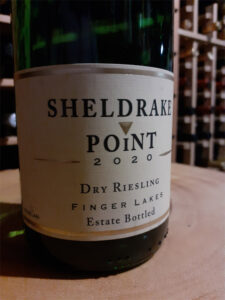
The 2020 Sheldrake Point Riesling features estate-grown, hand-harvested grapes fermented in stainless steel tanks. The point of all that work is to produce a wine that stays true to the grape’s innate beauty, offering the winemaker better control.
In any case, this wonderful Riesling shows notes of orchard fruits, with some heft in the mouth and beautiful acidity. This wine can age, so buy some for now and some for later. I will be pairing this Riesling with my house special Hot-Smoked Salmon.
As always, you can find me on Instagram @kosherwinetastings.
Chag sameach, all!

Dr. Kenneth Friedman is a Baltimore-born kosher wine aficionado/connoisseur. He is known for his unsolicited wine advice and runs many local kosher wine tastings.

On this episode of "The Food Enthusiast," Dara Bunjon talks with Lexx Mills, co-creator of Stursi, expertly crafted non-alcoholic cocktails.

Dara Bunjon talks with legendary chef Jimmy Schmidt, a three-time James Beard Award recipient, restaurateur, author, food scientist and innovator about his journey from the Rattlesnake Club restaurants to Chefs Collaborative and JR Ranch Foods.
Inspired by his Israeli grandmother’s cooking, Chef Raz Shabtai of Miami's Mutra restaurant says the award was for “the entire Jewish community.”
These snowy almond cookies from Elite Jakob are gluten free, easy to make, and most importantly -- delicious.