
On different Jewish occasions, we offer each other different greetings. On Shabbat we say, “Shabbat Shalom,” “May it be a peaceful Shabbat.” On Passover we say, “Pesach kasher vesameach,” “May it be a kosher and joyous Passover.”
What is the proper way to greet each other on Rosh Hashanah?
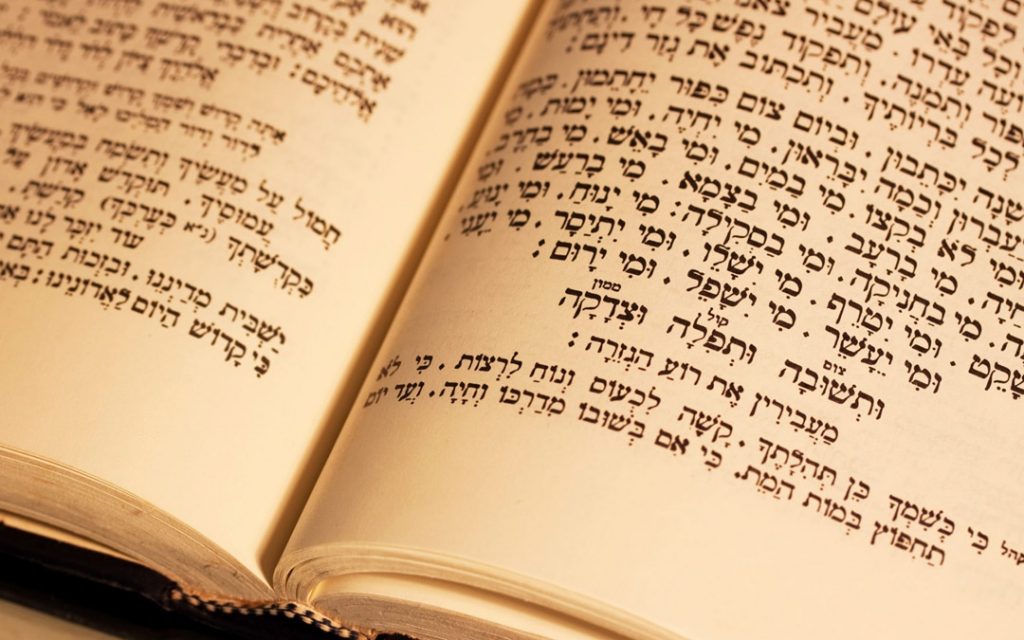
Many people say, “Shana tova umetukah,” “May you have a good and sweet year.” The Koren Machzor (p. 101) offers a four-word Hebrew greeting: “Leshana tovah tikatev vetechatem (for women, tikatevi vatechatemi),” “May you be written and sealed for a good year.” And the Artscroll Machzor (p. 90) adds four more words in parentheses, making it eight altogether: “Leshana tovah tikatev vetechatem le’altar lechaim tovim uleshalom,” “May you be written and sealed immediately for good life and peace.”
Which one of these should we use? Any blessing offered to others on one of our holiest days is a positive thing. However, each greeting means something different. It’s worth explaining the greetings and their origins.
The greeting “Shana tova umetukah” does not appear in halachic (Jewish legal) works. What has been explained to me is that we wish for the other, along with all their basic needs being met this year (i.e., “tova,” a “good” year), that they find enjoyment, pleasure and happiness as well (i.e., “umetukah,” a “sweet” year). We want it all for our loved ones, and what better day to ask for it than on Rosh Hashanah!
The four-word and eight-word versions that appear in our machzors are based on a 13th-century halachic work called the Tur (Orach Chayim 582), albeit with an important addition. The Tur instructs us to offer a three-word blessing: “Tikatev beshana tova,” “May you be written for a good year.” The Rema’s (16th century) later adaption, “Leshana tova tikatev,” carries the same meaning. With the addition of this “written” component, the discussion shifts from a sweet year to something more fundamental — life and death.
The Tur’s greeting is based on the following Talmudic entry: “Three books are opened on Rosh Hashanah: one of wholly wicked people, and one of wholly righteous people, and one of intermediate people whose good and bad deeds are equally balanced. Wholly righteous people are immediately written and sealed for life; wholly wicked people are immediately written and sealed for death; and intermediate people are left with their judgment suspended from Rosh Hashanah until Yom Kippur. If they merit, they are written for life; if they do not merit, they are written for death” (Rosh Hashanah 16b).
According to this source, the fate of the intermediate person diverges from that of the wholly righteous. The intermediate aspires to be “written” in the Book of Life while the wholly righteous person is not only “written” but also “sealed” in the Book of Life on Rosh Hashanah.
This distinction appears to be the basis for the evolution from the Tur’s greeting, which says “written,” to what appears in our machzors today: “written and sealed.” The Tur takes a realistic approach, claiming that we may not all be “wholly righteous” but we all deserve the best decree. Therefore, he says we should bless each other with the needs of the intermediate person, that we all be “written” in the Book of Life. We need all the merits we can get between Rosh Hashanah and Yom Kippur, so we offer these blessings to help accrue as much of it as possible!
Our machzors’ versions are from a later time period (see Magen Avraham 582, Chayei Adam 139). They assume that we should bless each other as if we are already “wholly righteous.” Not only should we be “written” but also “sealed” in the Book of Life. The eight-word version adds that it should be “immediately” as per the language of the Talmudic source above in describing the wholly righteous’ sealing, and that it should be for “good life and peace.”
The premise of the greeting in our machzors is that we should think positively on Rosh Hashanah. We should not settle for “intermediate,” but rather establish for one another that we are all wholly righteous, that we are both written and sealed. Through positive energy and positive thinking, we can achieve great things! And when Hashem sees us all viewing each other as wholly righteous Divine, mercy is aroused.
So which greeting should you use on Rosh Hashanah? All of them! Try to offer sweet blessings to one another this year, and if you can find a machzor or remember the longer blessings, let others know how righteous and wonderful you think they are. If you do it and I do it, Hashem will do it as well!

Rabbi Dr. Eli Yoggev serves Pikesville’s Beth Tfiloh Congregation.

At Congregation Shearith Israel, members know that Rabbi Adam Roffman's spiel is the real deal.

Can synagogues learn from the transcendent power of the jam band Phish? Rabbi Jonathan Leener shares the unexpected lessons he took away from a recent concert.

Though ancient, Jewish liturgy still speaks to our most contemporary struggles, writes Rabbi Jessica Fisher.

The latest seasonal children’s books take place in Uganda, Hong Kong and a Sephardic home.