
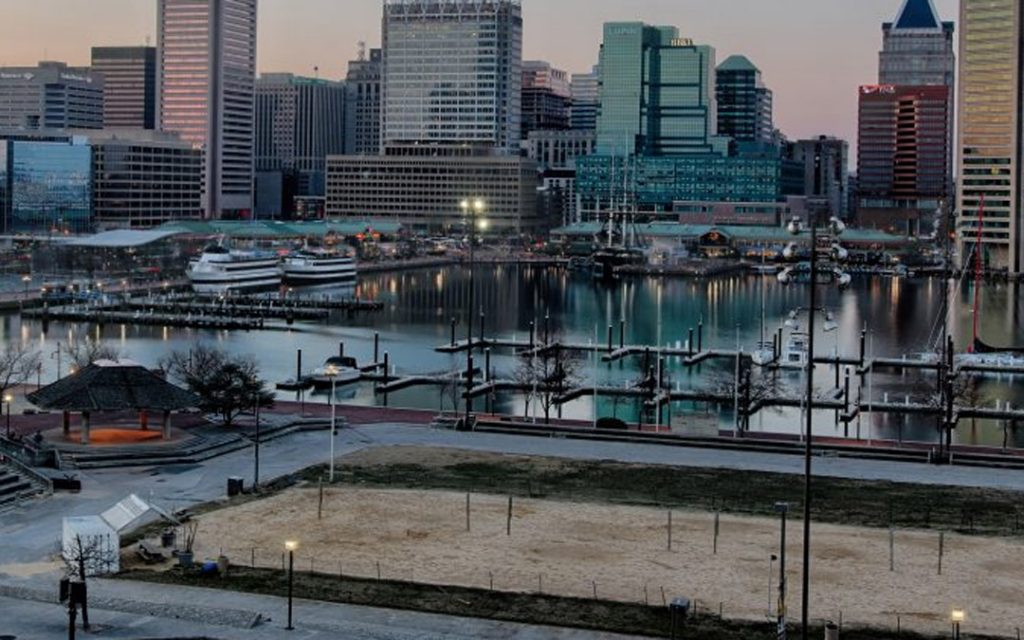
On that brilliant summer day 43 years ago when countless thousands gathered to open Harborplace, Mayor William Donald Schaefer took a few bows and then, when nobody was looking, disappeared.
Lainy LeBow was his most trusted aide back then, and she couldn’t find him anywhere. All these happy people were celebrating the rebirth of downtown and the dawning of so much municipal pride, but the mayor who helped make it happen was gone.
Lebow finally found him. Schaefer was back at his desk at City Hall, digging through stacks of papers.
“What are you doing here?” Lebow said. “Can’t you take a moment to celebrate? This is a big deal.”
Schaefer practically tore her head off with his reply.
“That’s yesterday’s news,” he snapped. “What else is happening in this damned city?”
Well, the city has become a little more damned since that summer of 1980. And so has Harborplace.
Let’s not depress ourselves with another recitation of Baltimore’s once-gleaming municipal jewel and how it’s fallen into ghostly near-emptiness most days, and its sense of danger on too many evenings.
Today’s news about Harborplace is the anticipation of change.
The other day, the city turned over responsibility for that change to MCB Real Estate, the Baltimore-based development company. For the next three years, as they attempt to breathe new life into the old lady, MCB will work with civic leaders and community members to make major changes in design and structure and use, draft a finance plan, and renovate.
And that’s only part of the job.
The other part is convincing people that it’s OK to go back there. The decay of Harborplace didn’t happen overnight. Unlike the Schaeferian mantra, “Do it now,” we’ve been through a series of mayors and city councils who have somehow been oblivious, or indifferent, to the growing problems.
And millions of visitors who once packed the place have walked away during the troubles that were obvious to everyone.
The original developers first lost their way when they charged far too much rent. There were merchants with Baltimore ties who couldn’t keep up financially. When they bailed out, the only ones who could afford the place were big-pocket out-of-towners. But they lent not a trace of Bawlamer to the pavilions.
But the changes were sociological, too. There were street disturbances after dark, scary spectacles. At a time when the city was jittery over Freddie Gray, squeegee kids and 300 homicides a year, the metro-area echo, louder and louder, was “I don’t go downtown anymore.”
As much as anything, that’s the biggest obstacle facing MCB Real Estate. This isn’t just about renovating a physical structure. It’s about changing a state of mind.
It’s not going to happen overnight. But it wouldn’t hurt to keep the eternal restlessness of William Donald Schaefer in mind: Harborplace’s troubles are yesterday’s news. Its rebirth, and downtown’s redemption, are today’s news.
We hope.

Michael Olesker’s latest book, “Boogie: Life on A Merry-Go-Round,” was recently published by Apprentice House. It’s the life story of Baltimore legend Leonard “Boogie” Weinglass, an original “Diner” guy who grew up to create the Merry-Go-Round clothing chain and contribute millions to charity.
What does it mean to be fully present with each other and the sacred, asks Maryland-born cultural anthropologist Alanna E. Cooper.
As millions mourn the passing of Stephen Colbert from the airwaves, Michael Olesker looks back on the "institution" of late-night TV.
The BCO, founded in 1984, will perform the works of Frank Zappa, Beethoven, Mason Bates and Karena Ingram.

For more than 130 years, Sol Levinson & Bros. has been woven into the fabric of Baltimore’s Jewish community.