
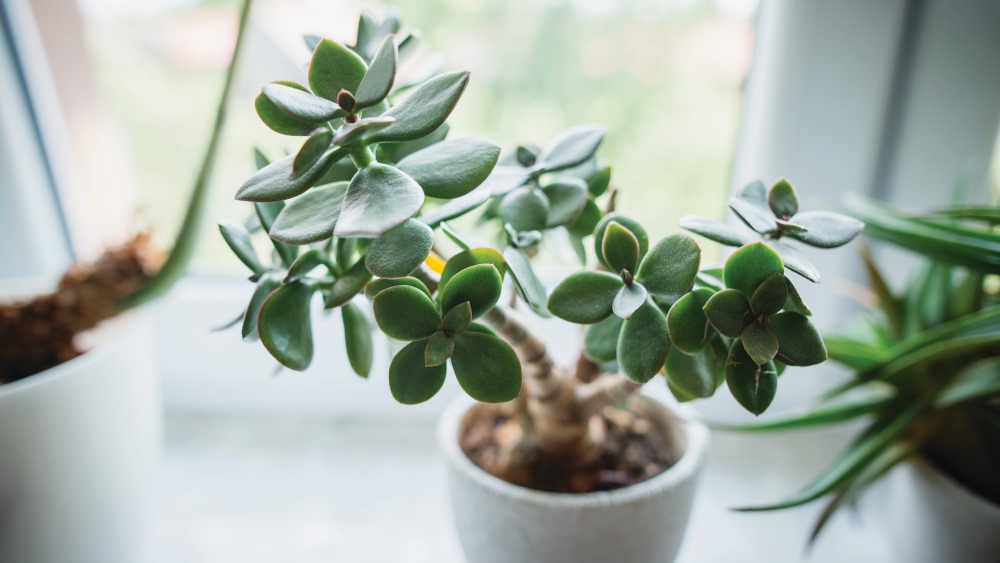
Indoor plants have always been a wonderful way to add natural beauty to your home. But during the pandemic, they became positively trendy, especially with Millennials.
Why? The pandemic was a frightening time when people sought innovative approaches to self-care. Research shows that living in a plant-filled environment lowers blood pressure, increases productivity, and helps alleviate anxiety both at home and at work.
Invite houseplants into your home or apartment and create a calming oasis.
Where to Start
Consider the following criteria when purchasing a houseplant: light, water, temperature, type of potting soil and fertilizer requirements.
Also, plan for the plant’s eventual size to ensure that you have space for it as it grows. Approximately 150 houseplants are available in the marketplace. They vary in size from a few inches to several feet.
Succulents are highly recommended due to the ease of maintenance and simple requirements. Aloe (aloe vera); mother-in-law’s tongue (Sanseveria trifasciatus); jade (Crassula ovata) and succulents are indigenous to arid climates, so all of these are good choices for plants that will live indoors.
Aloe, an evergreen perennial succulent, requires planting in a terra cotta pot, succulent potting soil which is composed of half potting soil and half sand.
The aloe is best served when placed on a windowsill that receives a minimum of three hours of sunlight. After its initial watering, aloe need not be watered again until the soil has dried out.
Be sure not to overwater to prevent rotting. Under perfect conditions, the aloe will grow to three feet and flower after two to three years. The aloe should be repotted after three years with fresh succulent potting soil. The sap of the aloe treats minor burns.
The jade plant, a broad leaf evergreen succulent, is native to the Eastern Cape provinces of South Africa and Mozambique. Plant jade in regular potting soil. Jade requires four hours of daily filtered sun all year-round.
Like aloe, the soil for jade should be almost dry between waterings. If brown spots appear on leaves, the plant requires more water.
Water jade less frequently in winter. Young jade plants should be repotted each spring. Since plants have a longevity of over 10 years, every two to three years they should be repotted to refresh the soil. Every five years, they should be repotted to accommodate the size of the plant. Jade enjoys cool room temperatures and is intolerant to humidity. The plant is extremely sensitive to over-watering.
Mother-in-law’s tongue or snake plant is a perennial evergreen, native to Africa. The variation, Laurentia, has green leaves with yellow borders and grows in a stiff vertical fashion that eventually forms clumps.
Mother-in-law’s tongue is easy to grow. From spring through fall, the plant requires bright indirect light, and in the winter it needs moderate light.
In the spring and summer months, water the plant often enough to keep the soil lightly moist. But in the winter, keep your plant nearly dry between waterings.
Mother-in-law’s tongue should be potted in 90% regular potting soil with 10% sterilized garden soil. If divided every 5-10 years, this plant grows forever!
For more information about houseplants, check out “The Complete Houseplant Survival Manual.”
Rebecca Brown began her career as a horticulturist more than 30 years ago and studied at the New York Botanical Gardens. She has been a University of Maryland-Baltimore County master gardener for eight years and is a backyard beekeeper.
Norman Cohen is a retired chemist. He has been gardening for 40 years and has been a UMBC master gardener for 14 years. Cohen also provides gardening education to the public at local farmers markets.

Pikesville resident and entrepreneur Luna Rosendorff discusses what she's seeing these days in the world of contemporary interior design.
Container vegetable gardening is a terrific option for people with limited space and/or time. Rebecca Brown and Norman Cohen share some tips.
Rebecca Brown and Norman Cohen share some practical steps with a touch of seasonal ritual for "putting the garden to bed."
Fall in Maryland is more than just leaf-peeping season -- it’s planting season. Now is the time to dig in and give your garden a head start for spring.