
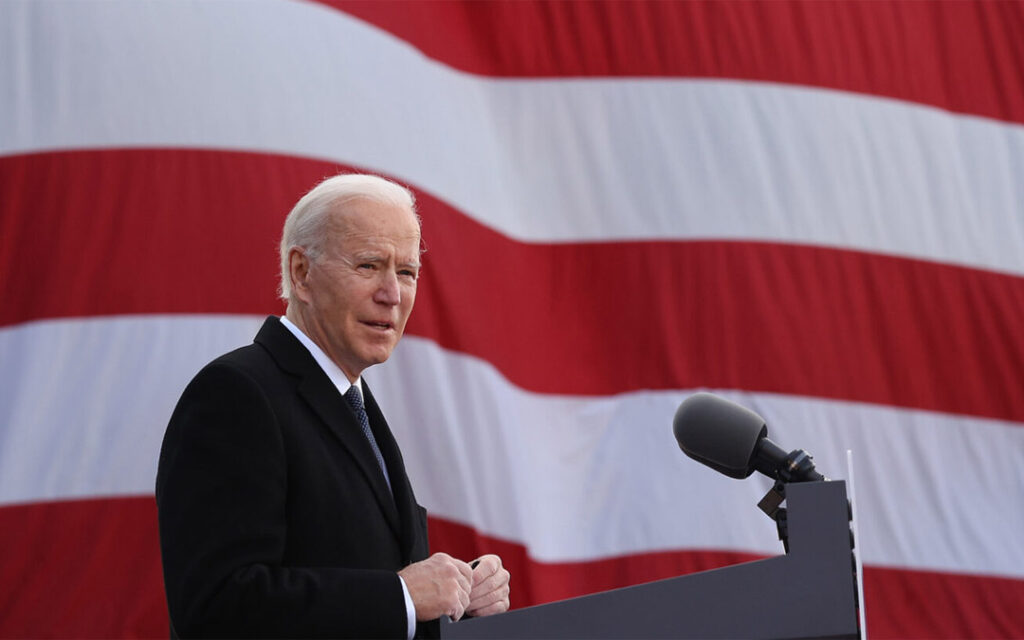
The last time the Democrats had an incumbent president who should have stepped away from a reelection bid, his name was Jimmy Carter and he changed history because he lacked President Joe Biden’s grace and refused to go away.
As Biden humbly steps aside, the Democrats will give Kamala Harris a shot at the presidency — precisely the opposite of those Democrats in 1980, who paid a humiliating price for keeping an unpopular incumbent as their nominee.
Will Biden’s withdrawal reverse the fortunes of 45 years ago? We’re about to find out.
In 1980, a stubborn Carter held off a dramatic last-minute effort by Sen. Ted Kennedy to snatch the Democratic nomination. Battered by the Iranian hostage crisis and crippling inflation, Carter’s poll numbers were pitifully low. He had Democratic pros urging him to withdraw, just as Biden has been pressured for weeks.
Back then, the Kennedy name was still magic. It was America’s short attention span in full display a decade after the Chappaquiddick Bridge tragedy.
But in a mirror image of this year’s race, how do you get an incumbent president to step aside for the good of the party and country?
Into that year’s Democratic National Convention at Madison Square Garden in New York came Kennedy riding high.
I covered that gathering back when The Sun was still sending a full squadron of writers to national conventions. On my office wall at home, I’ve got a photo somebody snapped of me standing on the convention floor with such Baltimore political figures as Clarence “Du” Burns and Dominic “Mimi” DiPietro.
You think Joe Biden is burdened by his tendency to screw up the English language one way or another?
Carter opened his address to the convention by recalling some of the past greats of the party, including one who ran for president in 1968 but was defeated by Richard Nixon.

Carter stared into network TV cameras and announced to America, “We’re the party of a great man … who should have been president, who would have been one of the greatest presidents in history, Hubert Horatio Hornblower.”
He meant Hubert Horatio Humphrey.
I watched Mimi and Du look at each other in confusion and disbelief. Mimi was capable of his own memorable gaffes (he once said a crowd gave him “a standing evasion”) but this was a stumble in front of the whole world.
As the convention crowd reacted with muffled applause, Carter said, “Humphrey,” and tried to move on.
A small blunder on the way to a great humiliation.
Carter went on to lose to Ronald Reagan, who took 44 states and won the electoral count 489 to 89.
It was the biggest win in presidential history by a non-incumbent candidate. The Democrats didn’t get the White House back for another dozen years.
It ought to have been a lesson in political history for this year’s Democrats. They might have repeated the mistake by running a weakened president against a bullying ex-president.
By gracefully withdrawing from the race, Joe Biden might have reversed a narrative that was starting to look too much like an echo of Jimmy Carter nearly half a century ago.

A former Baltimore Sun columnist and WJZ-TV commentator, Michael Olesker is the author of six books, including “Journeys to the Heart of Baltimore” (Johns Hopkins University Press) and “Michael Olesker’s Baltimore: If You Live Here, You’re Home” (Johns Hopkins University).
Michael Olesker pays tribute to WJZ’s retiring Marty Bass, a longtime fixture on local TV screens.

The Orioles' weak defense plays a major role in the nightly carnage, writes Michael Olesker.

Jmore Publisher Scott Rifkin, M.D., reacts to President Donald Trump's latest poll numbers and the real force behind the growing decline of the Trump movement.

For 35 years, the late Deborah Brodie, aka Bubbie Cookie, amassed a collection of over 200 Jewish ritual objects, which she used to teach her Hebrew school students with special needs.