

By Gefen Miller
I knew something was different, even before I got off the plane.
As we came to a stop, the charming, heavily accented voice of an El Al pilot came over the intercom with typical landing messages: “We have arrived in Tel Aviv … The time is … Keep your seatbelts fastened until …”
Then, a polite applause from the exhausted passengers spread throughout the plane, with their eyes darting around for the quickest route to the overhead compartments. However, something else entirely new — a prayer for the end of the war and swift return of the hostages.
Suddenly, everything paused. My stomach churned. What had once been the site of many summer vacations, the birthplace of some of my core memories with family and friends, was now described by the media as a war zone, and a nightmare-inducing hostage situation was going on for nearly a year.
I watched in terror from my hometown of Baltimore as the same places that colored my summers for 14 years became breaking news, the subjects of heated social and political debate that never failed to ooze through the cracks of daily life. I was familiar with this feeling; the hot flush in my face, memories flooding back and a “pause” from whatever I was doing at that time.
My family and I stepped into Ben Gurion Airport fully transformed from when we saw it last. “BRING THEM HOME NOW!” read from bright red letters of the banner above the baggage claim. Posters of hostages, the very same ones I see in Baltimore almost every day (which sometimes get torn down), lined the halls. Each one featured written messages in different colored pens, like individual cries of anguish, sometimes in the handwriting of a child. Those who walked past me wore dog tags and yellow ribbons, to which I was accustomed to back home at Jewish and Israel-themed events.
But the scale was unsurprisingly massive in comparison. When I set foot on Israeli soil, there was only one thing clear: the war is their life. To me, everything seemed familiar but with a warped lens. Coming to Israel allowed me to take my blinders off. I finally had the opportunity to experience Israel without filters.
Upon arriving in Ashkelon — a city that even pre-Oct. 7th suffered constant rocket sirens due to its proximity to Gaza — the reminders of war were close and deeply embedded into everyday life. While two elderly women shopped in the street, the building behind them was under repairs from rocket fire. A group of teenagers rode their bikes to the marina with posters of hostages lining the way. I slowly realized it became impossible to avoid the faces of the hostages, on every building, store and billboard.
At one point during my visit, I had to run into the bomb shelter of my grandfather’s apartment building. Just minutes later, we would return to watching one of his favorite television programs, “Stargate Atlantis.” This was different from my experience with the war in the United States. Here, we have “the pause,” the ability to escape the catastrophes occurring in Israel. I have family and friends in my local Jewish community who constantly advocate for Israel, but we as a society continue to allow the “pause” mentality into our minds.
It’s that feeling where time stops and your mind races back to the images that bombarded American news outlets from day one of the war. With no current mental picture of the conflict in mind, I recalled sleepless nights in October when my imagination would take the wheel and I couldn’t bear looking at the grisly images just a few clicks away.
Through the looking glass of the news and social media, the exposure to the war in the U.S. is limited. Even large, deeply Zionist communities like my own share the “pause” mentality. The pause mentality manifests itself when we lack personal understanding and perspective on the war. While we could be updating ourselves through the lens of the news and education, Israelis are experiencing the conflict in real time. It is their lives, so they do not have the freedom to “pause” as we do.
But how do Jewish Americans and communities around the world contribute to this un-pausing mentality? How do they begin to move with Oct. 7th and not away from it?
As Americans, we must inspire communities locally and around the world to educate themselves on Israel, the roots of Zionism and the origins of antisemitism. Despite Jewish Americans adapting the “pause mentality” into their daily lives, we have the responsibility and obligation to proclaim our history to combat future instances of antisemitism.
A month passed since I said my final goodbyes and flew back to Baltimore. Since then, I made efforts to adopt the “no-pause” mentality to the war. Joining the B-More Israeli program, a program for local teens to experience Israeli culture, was my first step. This year-long program for rising 10th graders felt perfectly tailored to my un-pausing journey. With a trip to Israel included in the summer months of the program, teens who only heard of the conflict through the news and social media, or perhaps have never been to Israel at all, can experience the difference in attitude toward the war. Together, as a community, we can grow and become an un-paused, unapologetic, Jewish community.
Gefen Miller is an aspiring journalist and a 10th-grader at Beth Tfiloh Dahan Community School. When she’s not writing, she likes to watch movies and read, especially about Jewish history and culture.

Jmore Publisher Scott Rifkin, M.D., reacts to President Donald Trump's latest poll numbers and the real force behind the growing decline of the Trump movement.

Last weekend's Flower Mart once again demonstrated that there's nothing to fear about downtown Baltimore, writes Michael Olesker.
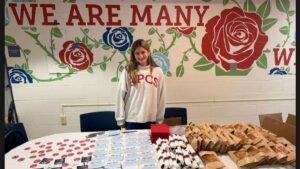
A junior at Roland Park Country School, Katie Grossman writes about a recent experience that spurred her to take action to fight antisemitism.

Spending on "hasbara" should be “like investing in jets, bombs and missile interceptors,” argues Israel’s foreign minister.