We are pleased to present our annual fall arts edition of Jmore.
We all live in our own little bubble. We have our beliefs and biases. We are convinced that we are right and those who disagree with us are wrong.
Conversations, chats, and even media have little impact on what we think. We tend to discard what disagrees with us and create our own echo chambers.
The arts are society’s way to stretch and grow the preconceived notions that we each have.
Throughout history, art has served to make us think about subjects from different angles. A great artist takes us on a journey of self-discovery without us even realizing it.
The art of the Renaissance moved the Western world from religious-based concepts to humanism and science. Picasso’s 1937 painting “Guernica” was an anti-war masterpiece after the Nazis bombed that northern Spanish town.
Art isn’t limited to visual forms. Theater, music, literature, and dance can all send messages and capture our thoughts.
Artists have explored racism, antisemitism, violence, war and so many other topics that deserve attention. The plight of Oklahoma farmers was captured by John Steinbeck in “The Grapes of Wrath.” “The Scream” by Norwegian artist Edvard Munch captures the anxiety of the human condition. Yad Vashem, Israel’s national Holocaust memorial, dedicates an area of its website to “resistance through art.”
We are in great danger when politicians try to control art and the messages of art. That is the behavior of dictators. Nazi Germany controlled all art and tried to make it a tool of the state.
The president taking control of the Kennedy Center or telling our national museums what to exhibit is dangerous.
Art shouldn’t be filtered through a political test. It is supposed to outrage us. It is supposed to make us think.
We are smart enough to come to our own conclusions, but we come to better conclusions when we are forced from our own bubbles.
Enjoy and think,

Scott Rifkin, MD
Publisher

A junior at Roland Park Country School, Katie Grossman writes about a recent experience that spurred her to take action to fight antisemitism.
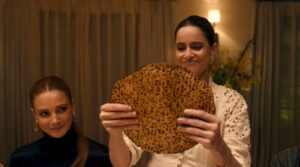
At a time when many Jews fear appearing Jewish in public, seeing Judaism depicted correctly onscreen is reassuring, writes Jewish content creator Rabbi Yael Buechler.

Cruel, inappropriate, egomanical, outrageous and bullying are all attributes that pass for presidential these days, writes Michael Olesker.