
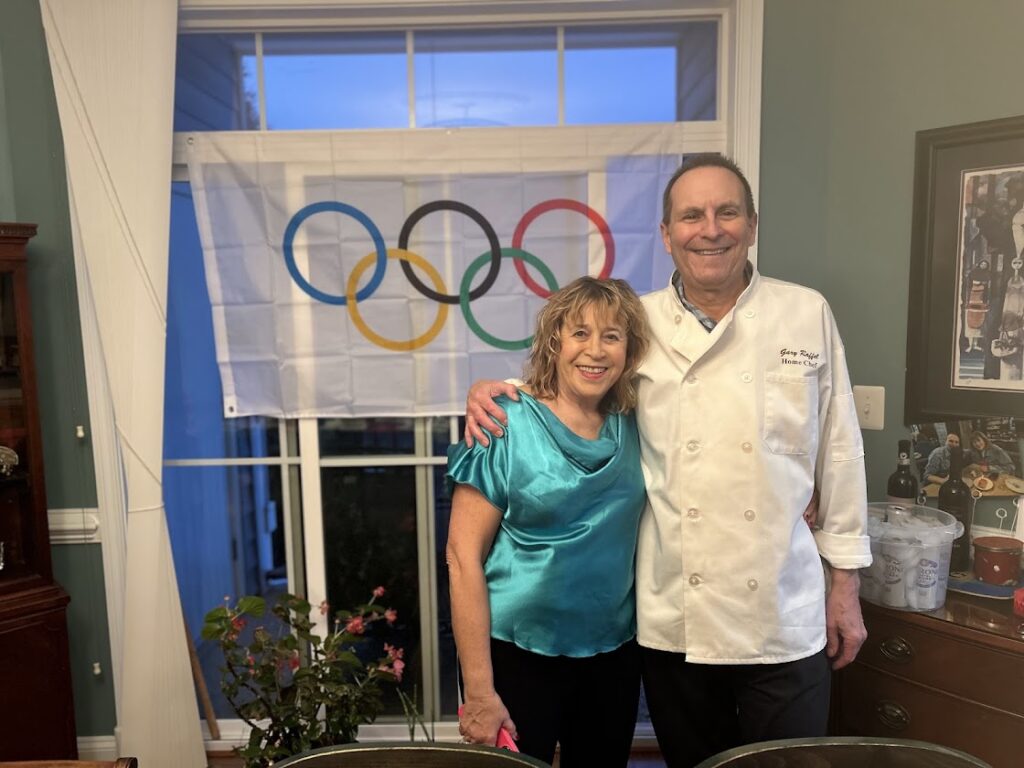
By Gary Raffel
Every four years, while the world’s elite athletes are sharpening their skates and waxing their skis for the Winter Olympics, I’m working on something equally intricate: attempting to hand-pull noodles or sourcing authentic burrata in the heart of Baltimore.
Since 2010, my wife, Shuli, and I have hosted an Opening Ceremony Shabbat dinner at our home. Because the games always kick off on a Friday, we merge the spirit of the international competition with the warmth of our Shabbat table. I keep the dinner kosher and mostly vegetarian-friendly, calling it “Olympic Shabbat.”
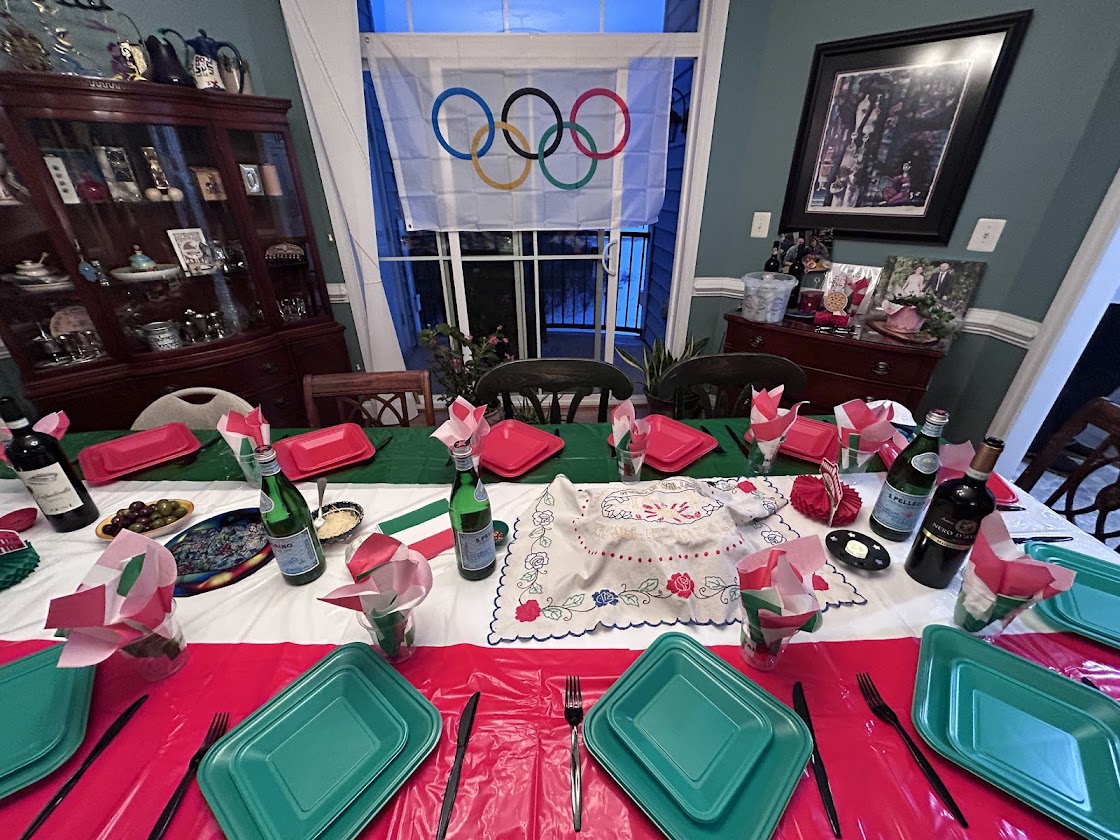
This year, I hosted the Italian-themed dinner at our place at Quarry Lake at Greenspring last Friday, Feb. 6, to coincide with the Milano-Cortina opening ceremonies, complete with Italian flags and Olympics decor.
It’s a marathon in its own right.
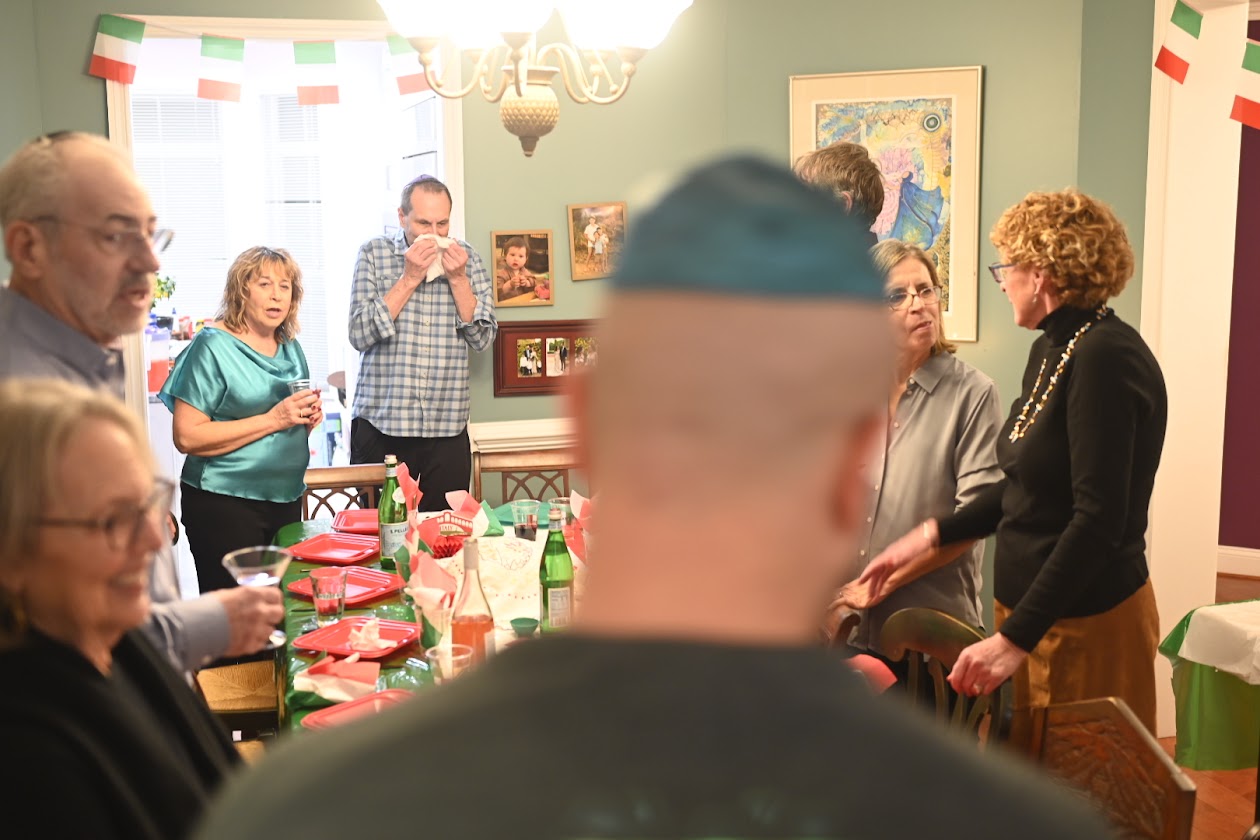
I’ll be the first to admit it: I spend way too much time on this. My process begins months (OK, years) in advance with a deep-dive into the host country’s culinary traditions and gastronomy. I don’t just want “inspired-by” dishes; I’m going for total authenticity.
In the past, we’ve conquered Chinese, South Korean and Russian cuisines, serving 16 guests at a table decked out in full-scale themed decor followed by a spirited viewing of the Opening Ceremonies on TV.
Before we moved to the Quarry, we hosted at our home in Stevenson.
This year, the torch passed to Italy for the Milano-Cortina 2026 games. While “Italian food” might sound easier than the dishes of Pyeongchang, the pressure was on to represent the sophisticated flavors of Italy, a place I’ve been fortunate to visit many times as well as to bike there.
There’s something uniquely Baltimore about how I pull this off. When I need the real deal, I know exactly where to go, from H Mart to local specialty spots around town.
To get it right this year, I visited a genuine Baltimore institution: Trinacria on North Paca Street. Stepping into that 120-plus-year-old grocery store is like being transported to a side street in Naples. Whether it’s the specific flour or the perfect olive oil, I know I’m in good hands with sourcing my ingredients.
Our 2026 menu started with Aperol Spritzes and Sourdough Pizzas before moving into heavy hitters like Burst Cherry Tomato and Baked Cacio e Pepe, as well as assorted pizzas and focaccia made with my very own sourdough starter.
To keep the Shabbat tradition alive with an Italian twist, we even served a Sicilian Challah made with semolina, which was Shuli’s contribution … in addition to her moral support.
Our gold-medal finish featured a decadent spread of Hazelnut Gelato, Tiramisu, Blueberry Ricotta Cake, and Pine Nut Cookies, topped off with fine Italian Chocolates.
Yes, it’s a lot of work, but for me, it’s about bringing the flavors of the world to our Baltimore table. I don’t take for granted that our guests this year included my 92-year-old mother and my youngest grandson (well, youngest for at least another couple of months), and longtime friends who have been at every Olympic Shabbat.
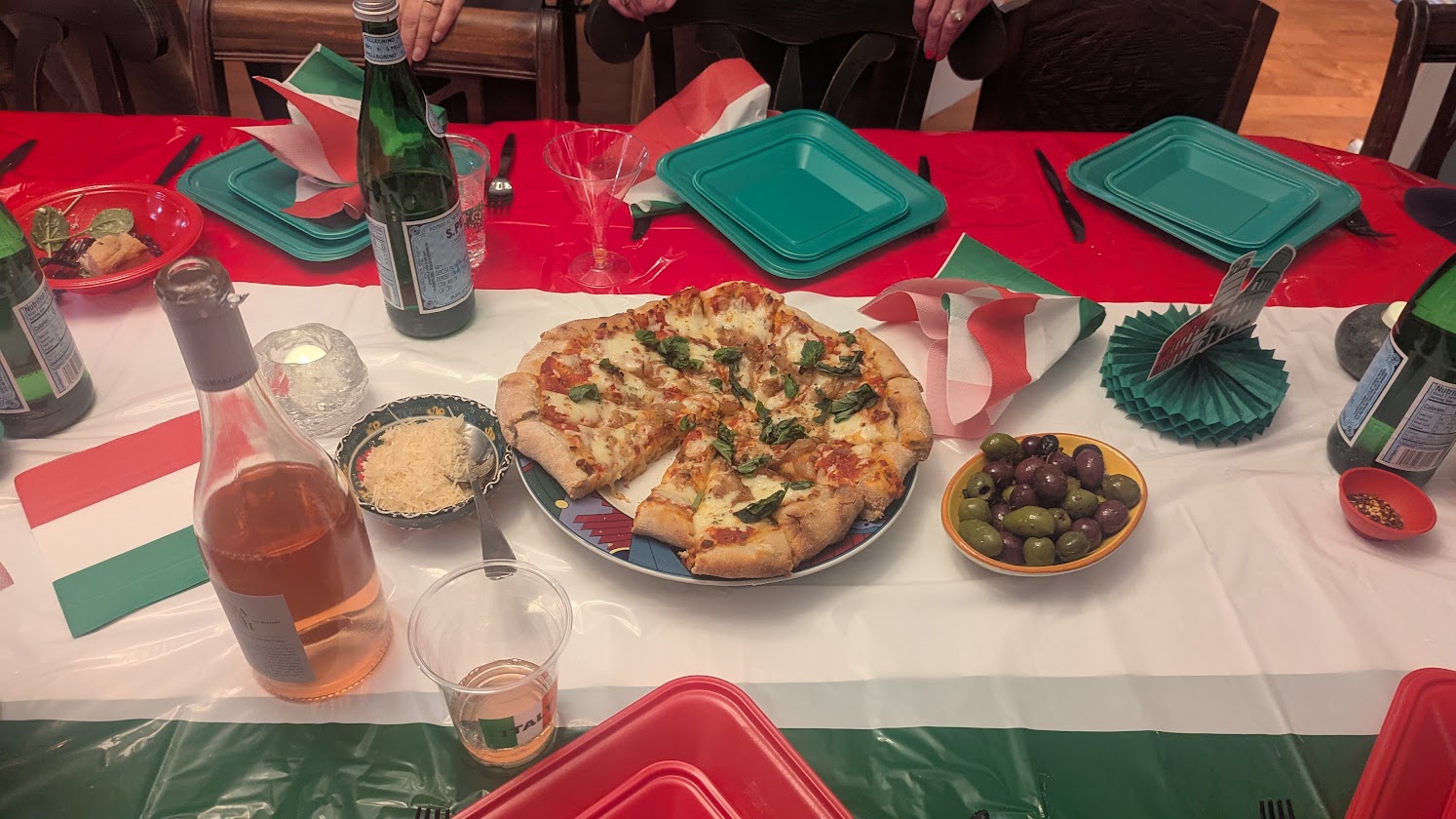
(Provided photo)
At a time when the world can feel deeply divided, there’s something beautiful about lighting the candles and breaking focaccia while celebrating the unbelievable physical feats of the Olympians from around the world. It’s also a moment to appreciate the community around our own table.
While my kitchen was a disaster zone of cookbooks and grocery lists leading up to the night, hearing our friends and family rave about the meal, settle in to watch the parade of nations, and share their commentary on the opening ceremonies is a true highlight.
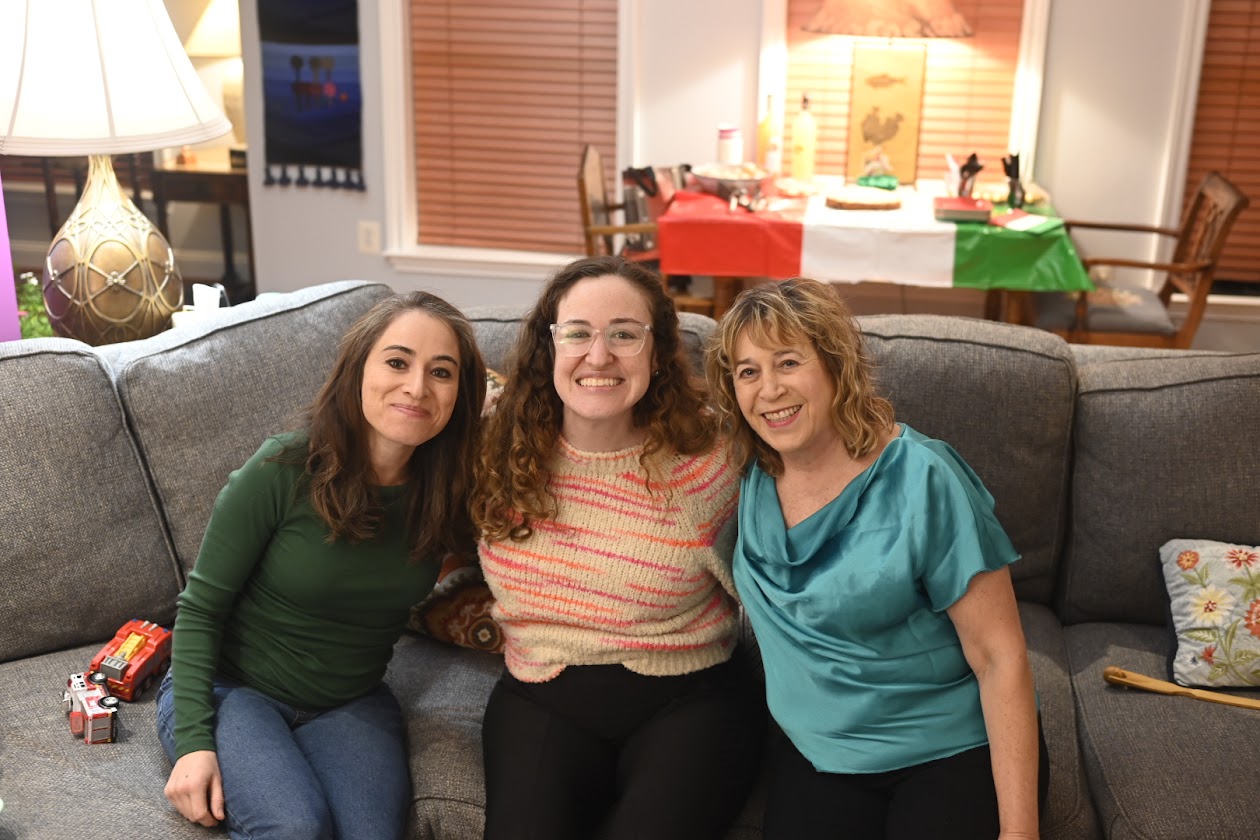
Now that the kitchen is cleaned and the leftovers are consumed, I can enjoy my spot on the sofa watching the athletes compete in sports from snowboarding to bobsledding to one of the less well-known sports — but my favorite — biathlon. I watch it all.
And the next countdown begins: I’m already planning the 2030 menu for the Olympics in the French Alps.
French onion soup, anyone?

One of the most competitive local races for public office this political season is for Baltimore County Executive. Jmore recently spoke with four of the candidates about their views on how they hope to enhance life in the county.
The Pikesville resident's latest offering "There's a Dragon in the Tree House and He Won't Come out!" was co-written with her grandsons.
A native of Poland who lived in Baltimore since 2010, Pancerman passed away a day after her birthday.
Leslie Simmons, executive vice president and chief operating officer of LifeBridge Health, will serve as interim president of Sinai and Grace Medical while a national search is conducted for Shlossman’s successor.