
By Pamela R. Weissman
Take a moment and picture the concept of clear opposites that even the youngest of children can understand.
The opposite of up is down. The opposite of high is low, and the opposite of big is little.
We can picture these opposites. But what is the opposite of life?
What is the opposite of living? Can we picture that?
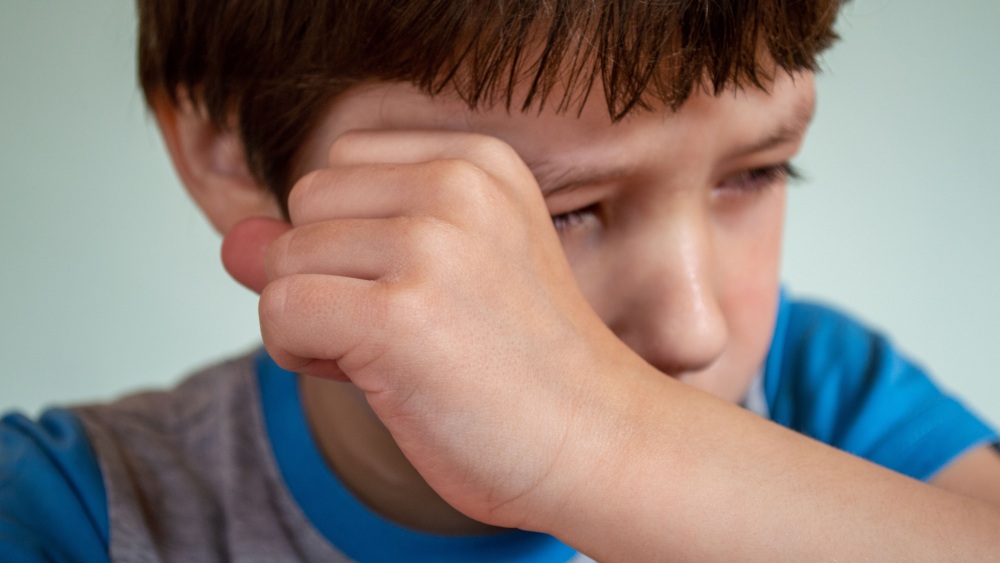
When we think about the loss of a loved one, it just hurts, There are no two ways about it. And for children, the reality of loss is even more complex.
Children are naturally curious about death. A grandchild hears that she was named for a great-grandmother whom she never met, and eventually she asks, “Where is Great-Grandma now? Where did she go?”
We do our best to try to answer. Many of us offer comfort rooted in words of faith: “Great-Grandma is with God now. We can’t picture it exactly, but we know she is at peace.”
Even so, it is still hard to imagine. Theologians wrestle with the concept of death and the afterlife. Philosophers debate it.
As for the rest of us, we also wonder.
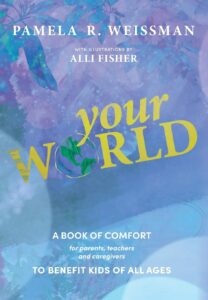
In my book “Your World: A Book of Comfort for Parents, Teachers and Caregivers to Benefit Kids of All Ages,” the reader is taken on a very different kind of reading adventure. While it is really a book of comfort for any of us, it is also a book that confronts what I have come to call “the three inevitabilities.”
These are the experiences that connect all of us, regardless of our backgrounds, beliefs or circumstances:
- Each of us carries some form of historical trauma.
- Each of us struggles with something within our homes at some point.
- Each of us, from childhood on, faces challenges in the wider world.
Reaching back to the personal experiences of my own childhood in the 1960s and 1970s, and recalling the childhoods of my own children. I return to one central question: How do we make sense of it all?
Let’s consider where grief fits into the equation by looking at the opposite of known, which is unknown. When we create a world with a warm and loving connection, even when someone beloved is gone, that relationship is carried on.
And even if only in our imaginations, those we grieve are not just eternally known but, ironically, never unknown. Even if only in memory, in story, in the values that they passed to us, they become, in the best possible sense, a permanent part of who we are.

Pamela R. Weissman, LCSW-C, is a licensed psychotherapist, speaker and author based in Baltimore. Her work focuses on child safety, grief, family resilience and trauma-informed communication. You can visit her website at pamelaweissman.com
Attorney and Barry Levinson confidante Donald Saiontz left his mark on the world, writes Michael Olesker.

The Orioles this season have proven that money can't buy happiness, writes Michael Olesker.

A recent experience reminded Editor-in-chief Alan Feiler of why we cannot allow the antisemites to make us cower and hide.

A Maimonides statue in the Spanish city of Córdoba was defaced last weekend, but his teachings have an answer to hate, writes Rabbi Jeffrey K. Salkin.