
The High Holidays live up to their billing. They are truly Days of Awe.
They remind us of how intertwined the past and the present are, whether we like it or not. They instruct us that remembering the past can be simultaneously joyful and painful, but doing so is essential to the process of self-examination, personal change and teshuva, or repentance. And thus, they are crucial to informing our future selves and those around us.
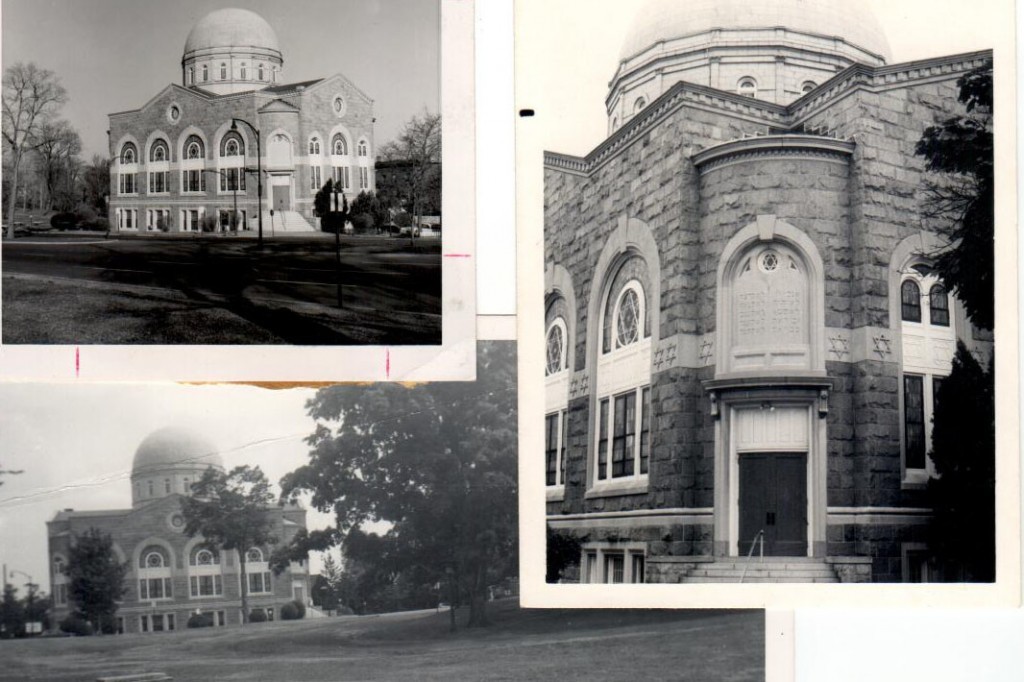
One of my most cherished memories of the High Holiday season is from when I was a kid, sitting in the ornate, sunlit sanctuary of Shaarei Tfiloh Synagogue, the celebrated “shul in the park” (due to its proximity to Druid Hill Park).
I remember being in that serene, holy space, listening to the chazzan chant an ancient melody and the ba’al koreh read from the Torah. I gazed around the shul, which will be celebrating its centennial in a couple of years, and daydreamed about the times and lives spent there, especially during its heyday: the Purim carnivals, the USO fundraisers, the social hall gatherings, the simchahs and, of course, the previous High Holiday services observed in that sanctuary.
Suddenly, I recall feeling my father put his arm around me during the service, for no particular reason. My guess is that he was having a contemplative moment, perhaps thanking the Almighty for another year of good health and for having the blessing of being able to attend services with his son. It was what you might call a “mechayah moment,” a time of pure joy that any parent experiences from time to time.
Unfortunately, I didn’t have my father for too long; he passed away suddenly when I was only 20. But nowadays, when I occasionally step into Shaarei Tfiloh’s sanctuary, my mind returns to that day when I felt his arm envelop me like a tallit. It felt safe, warm, maybe even sacred.
Years ago, I had a boss who used to say that he viewed the High Holidays as a time to get a spiritual checkup or tuneup. So many of us spend most of the year immersed in our own personal issues and concerns that we rarely come up for air. We put such matters as prayer and self-reflection on the back burner, as if we can simply deal with those things another day, at another time. In our heart of hearts, we know we can’t simply subjugate these thoughts and emotions, that they have a way of surfacing when we least expect it.
I’ve heard people, young and old, talk about how Judaism doesn’t speak to them any more, that the liturgy and texts often seem archaic and out of touch. But the genius of the faith is that if we’re amenable and open, and maybe a bit creative, it can transcend the generations and times and speak to us loud and clear, even in an age when we think we have all the answers with the click of a mouse.
The High Holiday season is a time to reignite that spark within us. It reminds us that there is more going on than what is before us, and calls on us to recommit ourselves to being Jews and ethical, caring human beings. It just takes a little work, on the inside.
We live in difficult, challenging times when narcissism and self-indulgence tend to be celebrated and embraced, while compassion and contemplation are often marginalized and even ridiculed. It’s up to us to embrace the Days of Awe as an opportunity to emerge as better people recommitted to making the world a better place.
Chag Samayach,
Alan Feiler
Editor-in-Chief
Also see: High Holidays 2017: Recipes, Memories, Tips and More
Jmore is giving away two pairs of tickets to the Orioles' Jewish Heritage Night on May 26. Enter now for your chance to win.
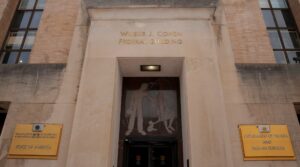
An appeal to New York's Jewish Museum for help cites President Trump’s record of demolition as a real estate developer and history of preservation failures.
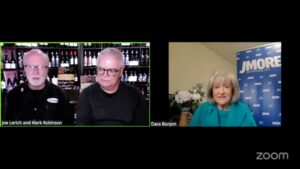
Dara Bunjon talks with Joe Lertch and Mark Robinson, co-founders of The Wine Matrix and co-authors of "The Art of Spice & Wine Pairing."

With just five ingredients (plus apples), this apple cake from Elite Jakob is as easy as it is delicious.