
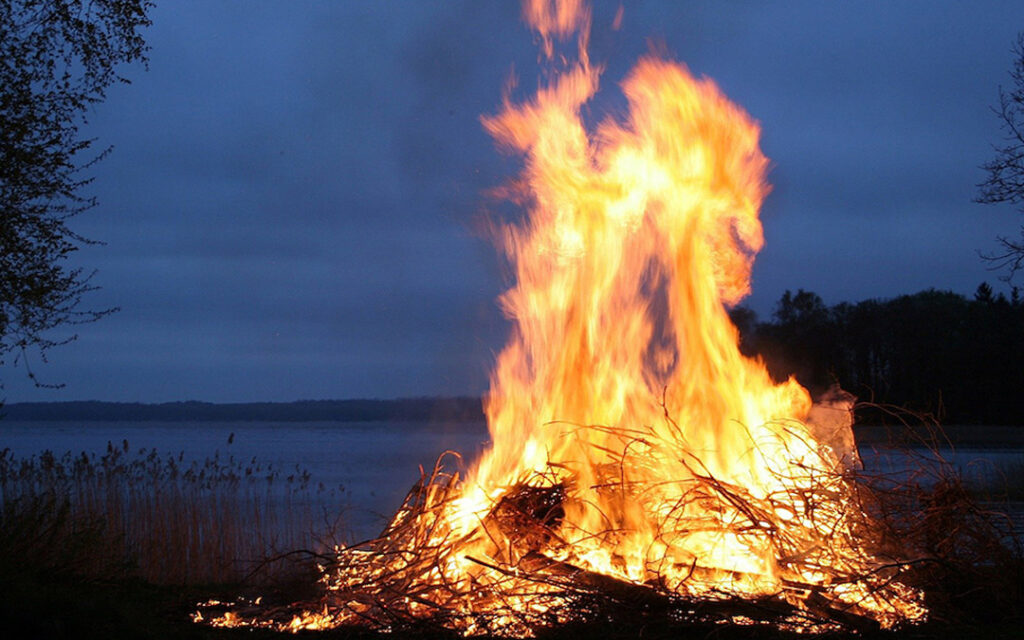
Pose this simple question to the majority of American Jewry — “What is Lag B’Omer?” — and you’ll no doubt get some very quizzical looks. But the festival — which begins at nightfall on Thursday, Apr. 29, and concludes on Friday, Apr. 30, at sundown — has been observed by Jews of all backgrounds for millennia.
Lag B’Omer is a festive minor holiday that occurs on the 33rd day of the Omer, which is the 49-day period between the second day of Passover and Shavuot. During the semi-mourning Omer period, Jews are forbidden from holding Jewish weddings or other celebratory events as well as listening to music or getting haircuts — except on Lag B’Omer, which is observed on the 18th day of the Hebrew month of Iyar.
Despite the pandemic, some Jewish organizations in town are commemorating Lag B’Omer with in-person and virtual events.
In its rear parking lot, Pikesville’s Beth El Congregation, 8101 Park Heights Ave., will host a Lag B’Omer event on Apr. 29 from 4:30-6 p.m. with live music, socially distanced fire pits and to-go kosher barbecue from CharBar DC.
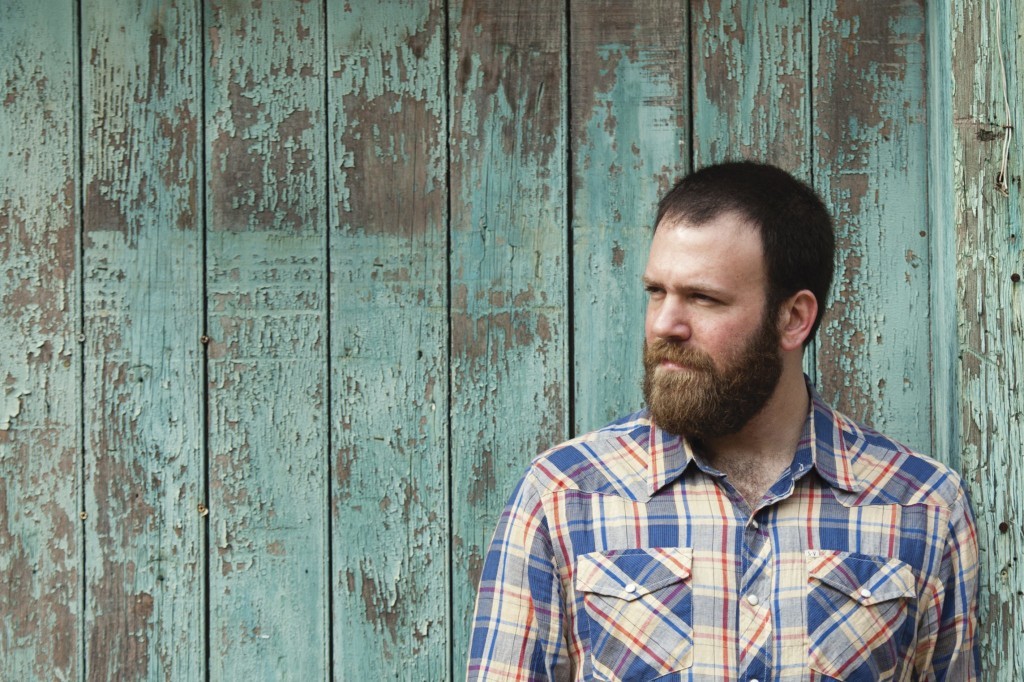
In addition, Beth El’s Soul Center will hold a virtual concert from 8-9:30 p.m. on Apr. 29 featuring Baltimore-based singer/songwriter Cris Jacobs. (For information about the concert, visit soulcenterbaltimore.org/programs/lag-bomer/.)
At 7:30 p.m. on Apr. 29, Chabad of Downtown will hold an outdoor barbecue and drum circle with entertainment provided by Emmy Award-winning drummer Murray S. Piper, founder and director of Passionate Drumming & Music Lessons. The event will be held behind the headquarters of Chabad of Downtown, 407 S. High St.
On Sunday, May 2, from 7:30-9:30 p.m., shinshinim (young Israeli emissaries currently working in the community) will host an in-person Lag B’Omer event at the irvine Nature Center, 11201 Garrison Forest Rd. in Owings Mills. At this socially distanced gathering presented by the Macks Center for Jewish Education, participants will enjoy an Israeli-style bonfire while roasting marshmallows and potatoes.
The roots of Lag B’Omer — and the Omer itself — are rather elusive. “To this day, no Jewish scholar can state with certainty exactly what Lag B’Omer celebrates,” writes Rabbi Joseph Telushkin in his seminal work “Jewish Literacy: The Most Important Things to Know About the Jewish Religion, Its People and Its History” (William Morrow and Co.).
The most oft-cited explanation comes from the Talmud, which contends that a plague killed thousands of Rabbi Akiva‘s students during this season due to their lack of respect and civility toward each other. According to tradition, the plague ceased on Lag B’Omer, which stands for the Hebrew letters lamed and gimel, combining for the numerical value of 33.
Some commentators also contend that Lag B’Omer was the day on which the Bar-Kochba Rebellion may have achieved a crucial victory against Rome in the second century of the Common Era.
As a result, Lag B’Omer became recognized as a joyous communal day, interrupting the solemnity of the Omer period for a 24-hour respite.
On Lag B’Omer, Jews are permitted to have weddings, parties, parades, bonfires, picnics and other outside outings, as well as get haircuts and listen to music. Children traditionally go out to fields with bows and arrows, possibly as a reminder of the fierce battles fought by Rabbi Akiva’s students in the Bar-Kochba Rebellion.

In Israel, tens of thousands of Jewish pilgrims visit the final resting place of the great Mishnaic sage and mystic Rabbi Shimon bar Yochai on Lag B’Omer in the northern village of Meron. Lag B’Omer is the anniversary of Rabbi bar Yochai’s death in the second century.
A disciple of Rabbi Akiva, Rabbi bar Yochai was reportedly the first spiritual leader to publicly teach the mystical dimension of the Torah known as Kabbalah, and is believed to be the author of the classic text of Jewish mysticism known as the Zohar (Book of Splendor). Tradition holds that on the day of his passing, Rabbi bar Yochai instructed his disciples to mark the date as “the day of my joy.”
The information for this article was culled from various sources and websites.
Schools in Montgomery County have recently experienced a wave of antisemitic incidents.
CCBC Honors scholars are discovering a level of academic rigor and opportunity typically associated with elite four-year institutions.
Filmmaker Justin Schein looks at wealth and inequality through the very real story of his late father.
This year’s Community Block Party at the JCC of Greater Baltimore will feature classic cars, giant inflatables, games, a rock-climbing wall and roller skating rink, and strolling entertainers.