
Founded by environmental activist Rabbi Nina Beth Cardin in 2012, the Baltimore Orchard Project strives to strengthen Baltimore’s neighborhoods and communities through planting and cultivating fruit tree orchards, by teaching neighbors to be long-term stewards and by reaping the benefits — spiritual and edible — of their efforts.
Since becoming part of the nonprofit Civic Works in 2014, BOP partners with communities and families to identify and care for fruit trees that grow in yards, streets and public places in the city. The organization plants orchards and food forests in unused spaces throughout Baltimore. Then, BOP volunteers help harvest fruit that would otherwise go to waste and give it to those in need.
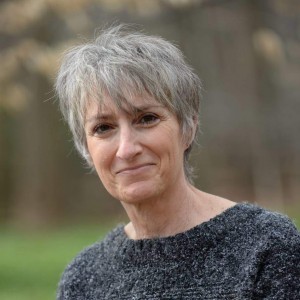
Jmore recently interviewed Rabbi Cardin about the project.
Jmore: Why did you create BOP?
Rabbi Cardin: Among the many issues that we face in Baltimore City are inequality in the availability of food, sometimes called the food desert, which leads to hunger and obesity. There are more than 120,000 hungry people in Baltimore City. We want to practice food justice.
Back in 2011 and 2012, I was asking myself, What are we doing with all the vacant land? How are we handling storm issues? Are there ways we can do urban farming?” And different kinds of questions — What can we do to strengthen our sense of place? To increase neighborliness? To get out of our focus on now?
I was interested in environmental issues and wanted to determine where I could take a stand to advance these issues. Everything pointed to fruit trees. So then I asked, What fruit trees are present in Baltimore city, and how can we plant more fruit trees to help resolve the food desert?
What was BOP meant to accomplish and how has it worked?
First, we focused on trees and tree canopies, then we wanted to stop the waste of fruit from trees and stop them from being cut down, to turn waste into abundance. We didn’t find as many fruit trees as we anticipated, but we did find many trees being cut down. A peach tree harvested one year was cut down the next. That’s because the public attitude was partly negative. Some people find trees a nuisance. They drop leaves, they attract birds who poop on your car, and the fruit falls down. We realized we needed to educate people about fruit trees. They are enjoyable, life-giving and offer emotional comfort.
So we now have a significant education program, and we have more than 100 planting partners. We call the program, “People, Property and Passion.” We’re not talking about community gardens because people must stick with orchards for years to come. When you plant fruit trees, it will take three to five years for them to provide the first fruits. You’ll have a nice harvest by the eighth year and thereafter.
We tell our young planters, “This tree will be giving off a nice harvest by the time you graduate high school. You are planning and planting for tomorrow. Every pear and every apple and every orange [that’s here] now, come from trees that someone planted long ago. You are benefiting from the planting of a tree by someone else.”
Who is involved and who is served?
We work with kids in preschool elementary, middle and high schools, plus adults. They also come from churches and Sunday schools. Orchard stewards from the Baltimore Orchard Project help all planting partners, teaching them how to enhance the space, how to plant, water and prune. Our earliest trees are just coming into the harvest. When we harvest trees, we give the fruit to soup kitchens, to Our Daily Bread, to the Franciscan Center.
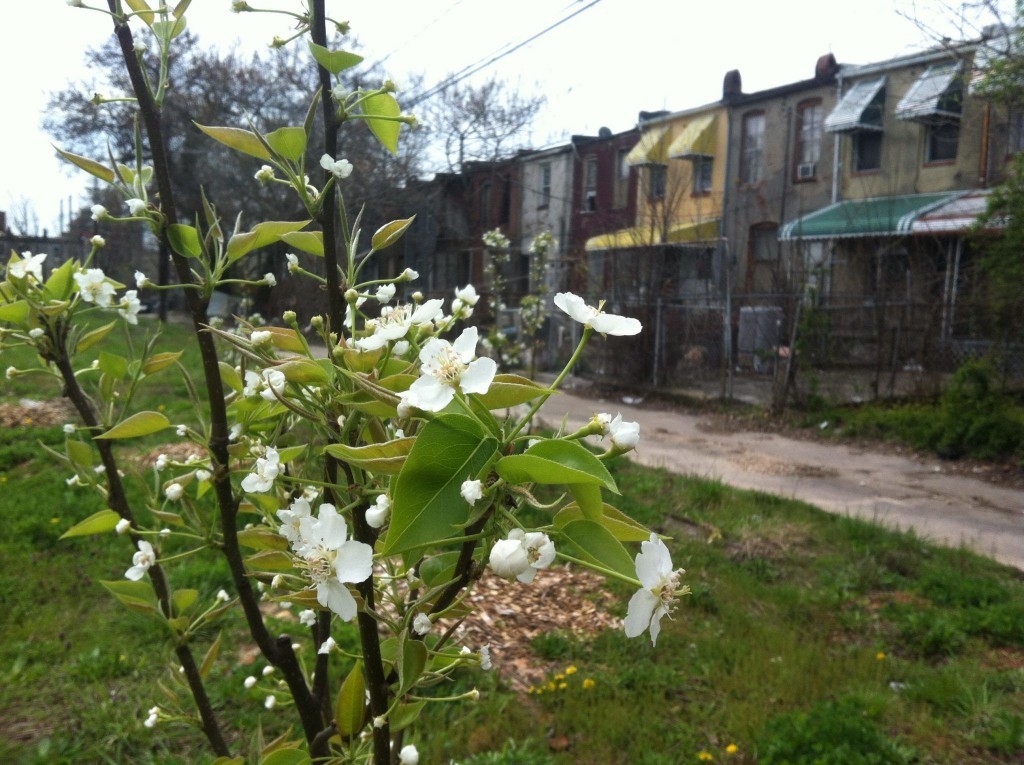
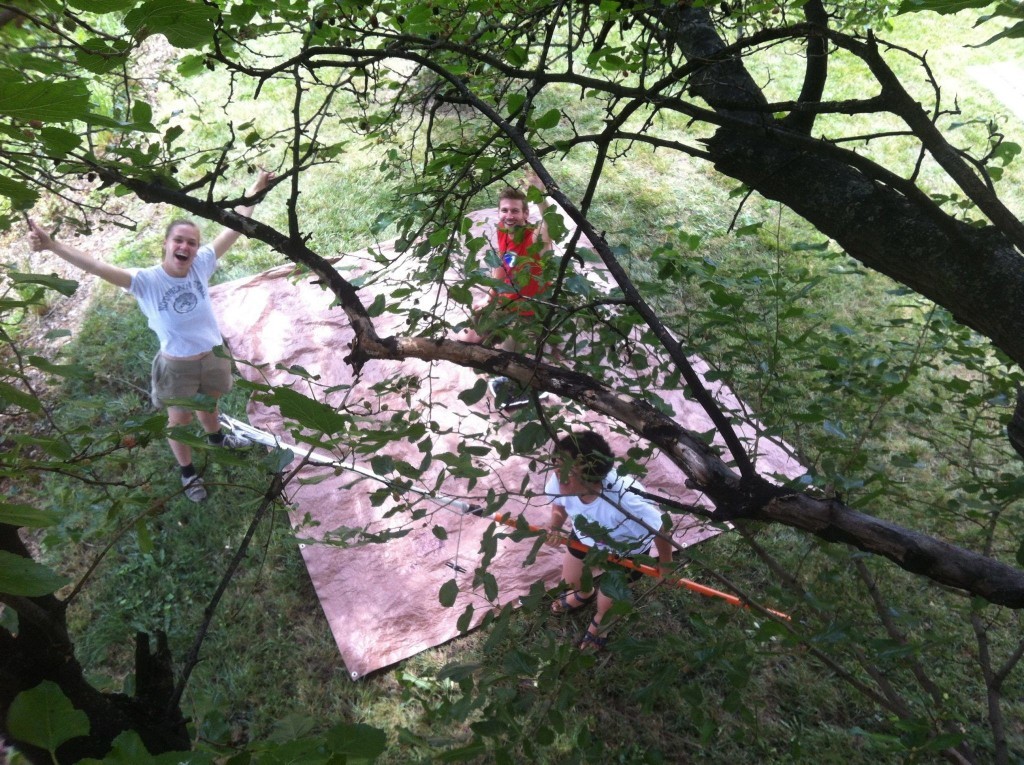

How is this project an expression of Jewish values?
I do it in a nondenominational and nonsectarian way. The Baltimore Orchard Project doesn’t profess a faith. For me, it is a fundamental expression of my Jewish values. Judaism believes that we must take care of the earth and take care of people who depend on the earth. The Bible is full of laws about how to deal with earth, with agriculture, with the equitable distribution of food. “The corners of your field are open to all … you shall leave them for the poor and the stranger.”
Why should we care about fruit trees?
Fruit trees offer all the benefits of other trees, plus they do more. In addition to cleaning the air of pollutants, bringing shade to our land and soaking up storm water, they also feed us and enhance neighborliness. If every few blocks, there were small parks of fruit trees that would mean that the community cared about the trees and that the neighbors would care for each other.
We need social coherence for our neighborhoods to be vibrant and healthy. The Baltimore Orchard Project is a little thing, but when these parks are kept up by neighbors, it contributes to a sense of belonging, to enhancing Baltimore.
For information, visit baltimoreorchardproject.civicworks.com
Photos provided by the Baltimore Orchard Project
Peter Arnold is an Olney, Md.-based freelance writer.

The 16-year-old sophomore succumbed to injuries sustained in a car crash last week in Cockeysville.
Schools in Montgomery County have recently experienced a wave of antisemitic incidents.
CCBC Honors scholars are discovering a level of academic rigor and opportunity typically associated with elite four-year institutions.
Filmmaker Justin Schein looks at wealth and inequality through the very real story of his late father.