
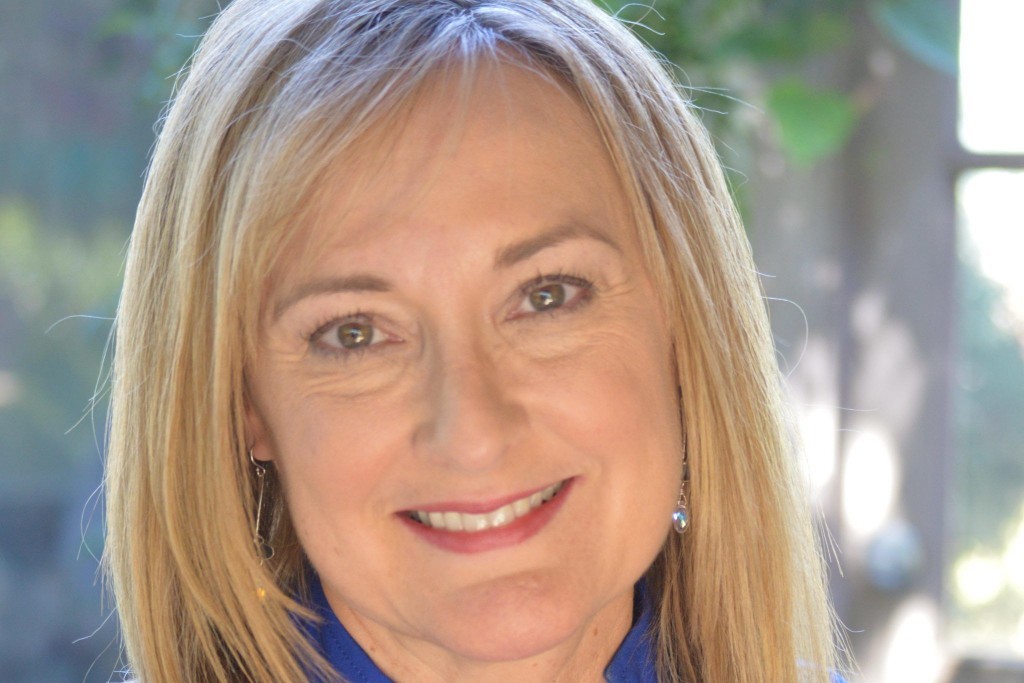
Being a better caregiver means taking care of yourself, says aging expert.
If you have to provide care for aging parents, you’re not alone. According to a 2015 caregiving report produced by AARP, nearly 40 million Americans care for an aging loved one. And close to 15 million of these caregivers are caring for someone with Alzheimer’s disease or other dementia, providing a value of $450 billion a year in unpaid care, according to the Alzheimer’s Association.
Caregivers face a number of challenges, including understanding the family member’s disease and how to manage it; financial considerations; juggling work, family and caregiving responsibilities; and grieving the loss of the person you know, even if he or she is still living.
Amy Goyer knows those challenges firsthand. She is not only AARP’s family and caregiving expert but also the primary caregiver for her 94-year-old father, who has Alzheimer’s disease.
She performed the same role for her mother, who died several years ago. To be more fully involved in her parents’ care, Goyer moved to Phoenix and now commutes to Washington, D.C., when needed.
Author of “Juggling Life, Work and Caregiving” (American Bar Association) and the new book “Inkspirations Color Your Way Content: When Caring for a Loved One” (HCI), Goyer spoke to Jmore before appearing in Baltimore last month at a family caregivers forum sponsored by AARP Maryland and the Maryland Family Caregivers Council.
What are some of the signs that your parents may need more of your attention?
There are certain changes in behavior and appearance that can signal a loved one may need some caregiving. Changes in vision or dizzy spells, for example, can increase the risk of falls (as can unsafe staircases, clutter, throw rugs, etc.).
Unfinished business, such as stacks of unpaid bills, missing bills and an inability to understand or deal with important financial and legal documents, can signal it’s time for you to help with those responsibilities.
If your parent is having car accidents or getting tickets, it’s probably time, at the very least, for you to ride along and assess the situation yourself. Becoming more socially isolated and not paying attention to self-care and appearance are other important signals to be on the lookout for.
How can you sensitively voice your concerns?
Bring up specific concerns and offer concrete solutions, such as, “Mom, I see the mail is piling up. Can I help sort it for you?” It’s important that you don’t broach the topic in a critical way, but in a loving, concerned and respectful manner.
Ask them how they are feeling, and what they would like; for example, “Would you like someone to come in one day a week and help you with the cleaning?” Make the suggestions gradually so they’re not feeling overwhelmed or afraid that they’re losing their independence.
What resources are available?
Support is available from government and community agencies and organizations. You can find information and assistance through such sources as Sixty and Me, your local department of aging, AARP, Jewish Community Services and Maryland Access Point, a statewide resource for information and assistance about long-term services and supports to allow individuals to remain at home and plan for future needs.
Certified aging in place specialists, aging life care specialists or physical or occupational therapists can help evaluate your loved one’s needs, abilities and their home environment. An expert can also make recommendations for home modifications or exercises for balance and strength. Funds from agencies on aging or Veterans Affairs may be available to help defray costs.
What is the CARE Act and how can it help?
One of AARP Maryland’s significant accomplishments was the 2016 passage of the Maryland CARE Act, which requires that hospitals and health care providers provide your loved one the opportunity to designate a family caregiver; inform you when your loved one is to be discharged to another facility or back home; and give you live or video instructions of the medical or nursing tasks you will need to perform at home.
AARP has created free downloadable CARE Act wallet cards in English and Spanish to provide quick access to the information about the act, in addition to other online resources such as the “AARP Prepare to Care” caregiving guide; a caregivers resource guide on Maryland Access Point and the Maryland Caregivers Support Coordinating Council.
How can caregivers care for themselves?
Caregivers tend to ignore their own physical and emotional health. Caregiving can be very isolating, can take a lot of time and interfere with your own social interaction. When you put gas in your car, it runs. The same applies to you as a caregiver. Attend face-to-face support groups or, if you don’t have time, find a community of people who are sharing your circumstances on social media.
Meet a friend for coffee, take an exercise class, or simply take a walk. And ask for help for yourself, whether it’s mowing the lawn, or running errands or taking care of some of your own personal responsibilities. If you don’t take care of yourself, you can’t take care of your loved ones.
Carol Sorgen is a Baltimore-based freelance writer.
Top photo: Amy Goyer (handout photo)

Duke Zimmerman and Lori Gale will talk at Towson University about their new book "People Get Ready" and the role played by Globe Posters in the civil rights movement.

The new exhibition revisits and updates a previous show about ritual hair covering in the observant community.

One of the most competitive local races for public office this political season is for Baltimore County Executive. Jmore recently spoke with four of the candidates about their views on how they hope to enhance life in the county.

The Pikesville resident's latest offering "There's a Dragon in the Tree House and He Won't Come out!" was co-written with her grandsons.