
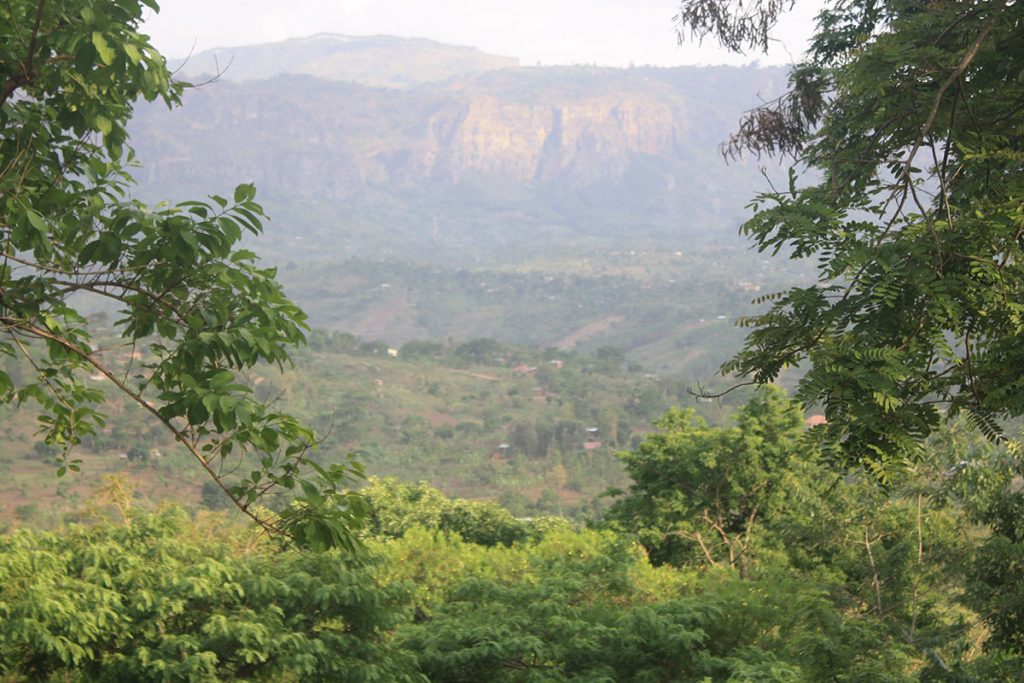
A visit with the Jewish community known as the Abayudaya proves to be a spiritually enriching experience.
Not long ago, I traveled from the northern Ugandan city of Gulu — where I work as a freelance journalist — to the central eastern town of Mbale, to spend a Shabbat with Rabbi Gershom Sizomu and the Abayudaya.
The Abayudaya is a vibrant Jewishcommunity based in the southeastern part of the African nation. Combiningtraditional Jewish prayers and practices with African drumming and melodies,the Abayudaya — a Lugandan term for the people of Judah — have made their homein the villages near Mbale for nearly a century when Ugandan military leaderSemei Kakungulu founded the community. The community subsequently grew,eventually learning Hebrew prayers and Jewish rituals and practices, and nownumbers approximately 2,000.

Rabbi Sizomu, who was ordained by theConservative movement, was raised in the Abayudaya community and has been itsspiritual leader since 1991. His late father and maternal grandfather were alsorabbis for the Abayudaya. Rabbi Sizomu is a member of the Ugandan parliamentand chief rabbi of Uganda.
As sundown drew near, I helped therabbi’s niece prepare a Shabbat meal. We chopped onions and vegetables to mixwith smoked fish, our hands stained green and our eyes filling with tears. Weremoved challah loaves from the ovenwhile a song played by the American Jewish musician Matisyahu.

After sunset, community membersgathered in the community synagogue for KabbalatShabbat. They wore knitted kippotand blue-and-white tallitot. Acelebrated liturgical musician, Rabbi Sizomu strummed the guitar and sang whilechildren danced in front of the bimah.
The service included traditional Kabbalat Shabbat prayers and was imbued with a spirit and strong focus on social justice issues. In his sermon, Rabbi Sizomu condemned the recent massacre of Muslim worshippers at a mosque in New Zealand and included those who were murdered in the Kaddish prayer.
Afterward, I helped the women in thecongregation light Shabbat candles. The combination of familiar prayers andpowerful teachings brought tears to my eyes.
When the service concluded,congregants clasped hands and wished each other “Shabbat Shalom.” We walked arm-in-arm to the rabbi’s house for kiddush, where the still-warm challahloaves were sprinkled with salt. For dinner, we feasted on vegetables, mashedgreen bananas, smoked fish and more challah. The stars shone bright before itcame time for the Birkat HaMazon andbedtime.
The next morning, the Abayudayagathered again for the Torah service. Since it was the anniversaries of seven b’not mitzvah, the women took an activeleadership role in the service and read many of the aliyot, or blessings over the Torah. Sons and daughters were calledto read from the Torah on the anniversary of their b’nai mitzvah, to ensure that Jewish knowledge is never lost.
Afterward, the community membersgathered in the shade of a large tree for Torah study. Young and old wereinvited to pose questions to Rabbi Sizomu, ranging from laws of kashrut to the Torah reading of theweek.
Later in the day, I walked to visitSemei Kakungulu’s grave with Jacob Mukuju, a metalworker and welder whosefather is a kosher butcher. We clambered over rocks, reaching high into thefoothills below Mount Elgon.
Jacob explained that Jews, Christiansand Muslims live side by side in the area. “The community loves us and we lovethem,” he said.
Still, life was not always easy for the Abayudaya. Ugandandictator Idi Amin outlawed Judaism during his reign in the 1970s, andpracticing the religion was punishable by death. We visited some of Jacob’srelatives who experienced persecution during the Amin regime. As we walked,Jacob pointed out caves where Jews prayed in secrecy during that period.
Jacob and I were welcomed into the home of Pinhas and AthaliaMusanze. They noted that Amin’s reign ended during Passover. “It is the samestory,” said Pinhas.
But rather than looking back on tragedies of the past, RabbiSizomu emphasizes a focus on fellowship and tolerance.
“In 2017, we had a general food shortage which affected both our community and our neighbors,” he said. “We thought that this is a moment of sharing and affirming and strengthening our peace, so we gave out food, almost for a whole month. People would come, line up and take food. You don’t even look at the face to know who is getting it, as long as it is a human being.”

Rachel Wanyenya is a Christian who lives among the Abayudaya,preparing meals and cleaning the community’s guesthouse. She has memorized thekosher dietary laws and keeps Shabbat with the community.
“I have learned that when you usesaucepans which use meat, you do not use milk,” said Rachel Wanyenya, who alsoknits kippot and challah covers.
Tired and dusty after our walk, Jacoband I returned to Rabbi Sizomu’s home for Havdalah.Women from the community braided my hair while we waited for three stars toappear in the sky to traditionally mark the end of Shabbat. We lit braidedcandles, blessed wine and smelled cloves to grasp the sweetness of Shabbat.Afterward, there were cries of “ShavuaTov!” and cups of honeyed tea to share.
In June, the community will host a100-year celebration, drawing guests from the United States and Ugandan membersof parliament. As the Abayudaya flourish, Rabbi Sizomu is eager to share thespirit of his community with others.
“As a Jewish community, isolated inthe heart of Africa … we feel very good each time we receive guests fromabroad,” he said. “We want to call upon our brothers and sisters to keep comingso that together we can celebrate the joy of Judaism.”
SophiaNeiman is a freelance writer from Baltimore who currently lives in Uganda.

Emma Snyder, owner of The Ivy Bookshop, offers recommendations for must-read titles for adults and children.

Schwab currently serves as president of Cumberland's historic B'er Chayim Congregation.
The Jerusalem Orchestra East & West, which arranged the program for young musicians, blends Western orchestral music with Middle Eastern traditions.

Pikesville resident and entrepreneur Luna Rosendorff discusses what she's seeing these days in the world of contemporary interior design.