
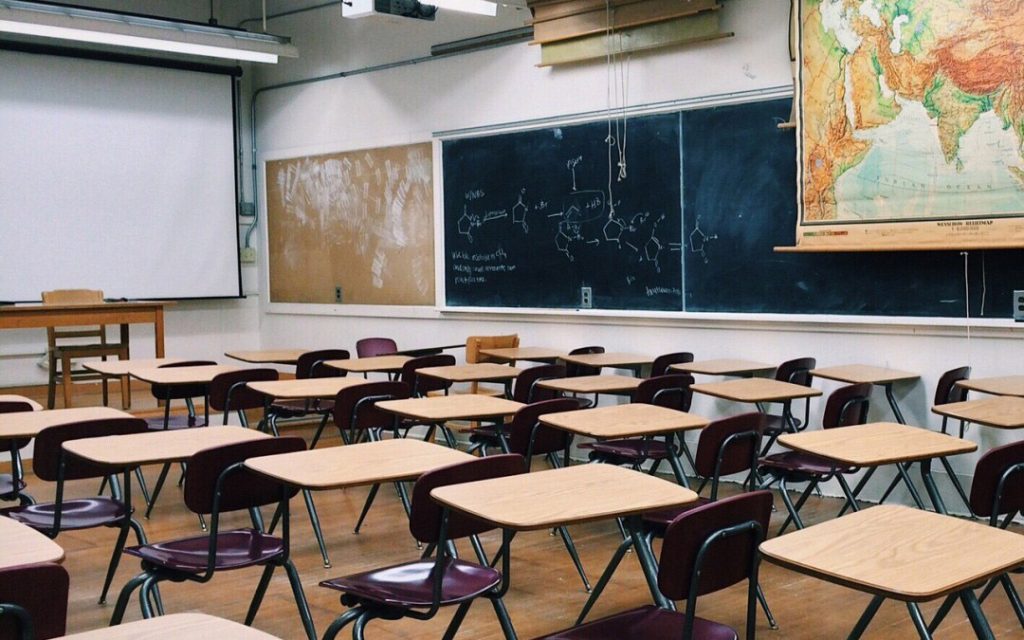
If you’re shocked by the latest scholastic reading scores,then you haven’t been paying attention. They’re pretty awful. But they’re partof a trend that goes back roughly half a century.
Across Maryland, about two-thirds of fourth graders andeighth graders are reading below grade level. That mirrors the test results indozens of other states, but not Baltimore’s. The city’s are far worse.
The numbers come from the National Assessment of EducationalProgress. It’s part of what’s known as the Nation’s Report Card.
It’s also the nation’s disgrace.
Children who can’t read decently are condemned to adulthoodswhere they can’t make a decent living. When increasing numbers of people can’tread decently, the entire culture gets dumbed down to match the marketplace.Yet, as the world gets more complex, the test scores keep getting worse.
In Maryland, the reading scores among fourth graders droppedfive points in the past year – down to just 35 percent “proficiency.” And theydropped two points among eighth graders – down to just 36 percent.
In the city, though, the numbers read like suicide notes forthe future.
Just 13 percent of Baltimore fourth graders and 15 percentof eighth graders made the grade in reading. Nationwide, the city ranks aheadof Milwaukee and Detroit. And no one else.
We can blame the usual suspects for this. The city has themost poverty, the most undernourished children, the most children fromone-parent families, the toughest outside distractions. You hear such rationalizingthrough the years, and it’s all true enough – and yet it still results infailure.
Not just the kids’ failure – but the grownups failing to getthrough to the kids, whether it’s administrators going through the motions, or teacherswho are exhausted and overmatched, or parents who aren’t doing their part.
All of this sets us up this coming winter for an old andwearisome legislative debate over money. We need more funding for schools,educators will insist. We need money for computers, for modern textbooks, forsmaller class sizes.
All of this is true enough.
But how do you make that argument against those ingovernment faced with balancing budgets who say that we’ve been sinking vastamounts already, yet the results continue to disappoint?
These are the arguments that are held every year, and we’reabout to hear them again as educators prepare for major battles in Annapolisover school funding.
And then we’ll brace for the inevitable studentdisappointments, and another generation of kids will be sentenced to adulthooddisappointments.

A former Baltimore Sun columnist and WJZ-TV commentator, Michael Olesker is the author of six books. His most recent, “Front Stoops in the Fifties: Baltimore Legends Come of Age,” has just been re-issued in paperback by the Johns Hopkins University Press.
At its annual meeting this year, the Baltimore Jewish Council will honor the late Harford County educator and longtime Holocaust education champion.

The former Colt, who passed away on May 25 at age 93, achieved immortality during a cold December day in 1958, writes Michael Olesker.

A new biography on the creator of "Doonesbury" misses the mark, writes Michael Olesker.
What does it mean to be fully present with each other and the sacred, asks Maryland-born cultural anthropologist Alanna E. Cooper.