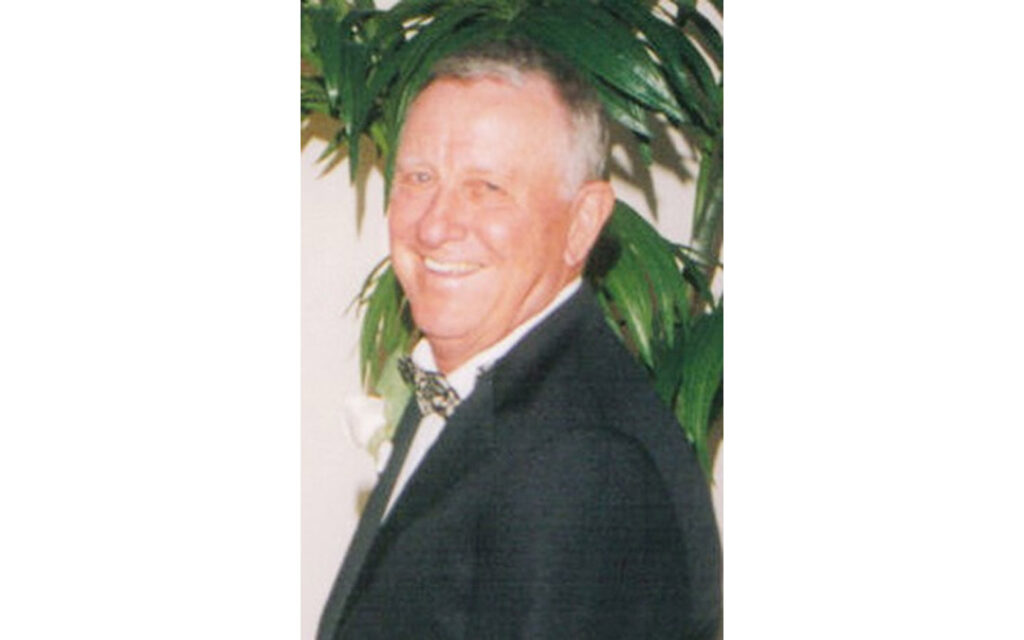
Word has belatedly reached Baltimore that George “Jerry” Phipps has died at 92, long after he coached some high school and college basketball teams around here to more than 600 victories and trophy cases full of championships over the years.
But basketball was the least of his triumphs.
He was part coach and part father figure to a lot of players. Phipps coached Baltimore City College to a bunch of championships, and the old Baltimore Junior College to a bunch more. And there were brief coaching stops at Forest Park and Woodlawn.
But as a measure of his impact, many of his old players have been phoning Phipps’ widow, Joanie, at their home in Vero Beach, Florida, ever since they learned of his death last month from congestive heart failure.
“They’ve reached out to me like you wouldn’t believe,” she said. “A lot of them wanted to say he was like a second father to them. Like Leonard Hamm.”
Hamm played for Phipps in the mid-‘60s at City College. He came out of South Baltimore’s Cherry Hill. Phipps helped him get into college. Later, Hamm became commissioner of the Baltimore City Police Department. He never lost contact with Phipps.
Some years back, Joanie Phipps remembered, when the coach had retired and they were living in Pennsylvania, Jerry was hospitalized with blood clots on his lungs. Joanie called Hamm back in Baltimore, just to let him know. Hamm raced up to Pennsylvania.
In his hospital room, Phipps told his wife, “I don’t want anybody coming in here to see me like this.” Then he closed his eyes and laid back in his bed. He didn’t know the police commissioner had entered the room until Hamm leaned down and whispered in Phipps’ ear.
“Dad,” he said. “It’s Leonard.”
Born in Salisbury, Phipps went to the old Western Maryland College, where he played football, basketball and baseball. He served in the U.S. Army during the Korean War, then commenced a storied coaching career that eventually landed him in the Hall of Fame at several schools.
Across more than nine decades, he had a whole bunch of triumphs, and some losses. The worst loss was his son, Michael, who did three tours as a combat soldier in Afghanistan. Michael was wounded by a sniper, and came back to the U.S. to recuperate. Then he went back to the fighting.
When he came home again, he was suffering from PTSD. He died from a brain hemorrhage.
“I’ll tell you this,” said another of Phipps’ old players, Michael Levy, who played at City College near a 1960s stretch when they won 40 games in a row. “No team was ever better coached. Even if you were up against a better athlete, you knew you were ready for any possible situation.”
Another former player, Leonard “Boogie” Weinglass, said Phipps “turned my life around. I was a street kid going nowhere, and he gave me discipline. He actually made me go to class if I wanted to play ball for him. How do you like that? He was the first guy who laid down some rules and made me stick to them.”
Jerry Phipps helped a lot of kids that way. He was a terrific coach. But he was a better man.
Michael Olesker’s newest book, “Boogie: Life on A Merry-Go-Round,” will be published this spring. It’s the life story of Baltimore legend Leonard “Boogie” Weinglass, an original “Diner” guy who grew up to create the Merry-Go-Round clothing chain and donate millions to charity.
What does it mean to be fully present with each other and the sacred, asks Maryland-born cultural anthropologist Alanna E. Cooper.
As millions mourn the passing of Stephen Colbert from the airwaves, Michael Olesker looks back on the "institution" of late-night TV.

As he gets ready to leave for California, Rabbi Daniel Cotzin Burg looks back on his time in Baltimore and his 10 years writing for Jmore.