A long time ago, when American newspapers and Jimmy Breslin were both still alive and important, I had a few drinks with the great New York columnist at a bar in downtown Baltimore.
Breslin was rumbling through a bunch of cities on tour for a new book, called “World Without End, Amen.” But he barely mentioned the book.
This was late in 1973, in the aftermath of the televised Watergate hearings, maybe the most important congressional hearings of the last century until the moment we’re approaching this week.
And Watergate’s unraveling – and the air of smug self-congratulation among media people – was Breslin’s obsession of the moment.
“This is the worst year in the history of newspapers,” he said. “These big shot editors who want to take credit for getting rid of Richard Nixon, strutting around, pounding their chests over Watergate. But what did they do? It was only two guys, nobody else. Without them, it’s nowhere.”
He meant Bob Woodward and Carl Bernstein, of the Washington Post, who were dragging out the details as the Nixon White House tried to pull off the political crime of the century. Late in the game, there was also Seymour Hersh of the New York Times.
But where were all the other great American newspapers as the months dragged on after the break-in of Democratic Party headquarters? Taking a pass, that’s where.
And, because of that, American voters were taking a pass, too, buying into the White House claim that the Watergate story was nothing more than a “third-rate burglary.”
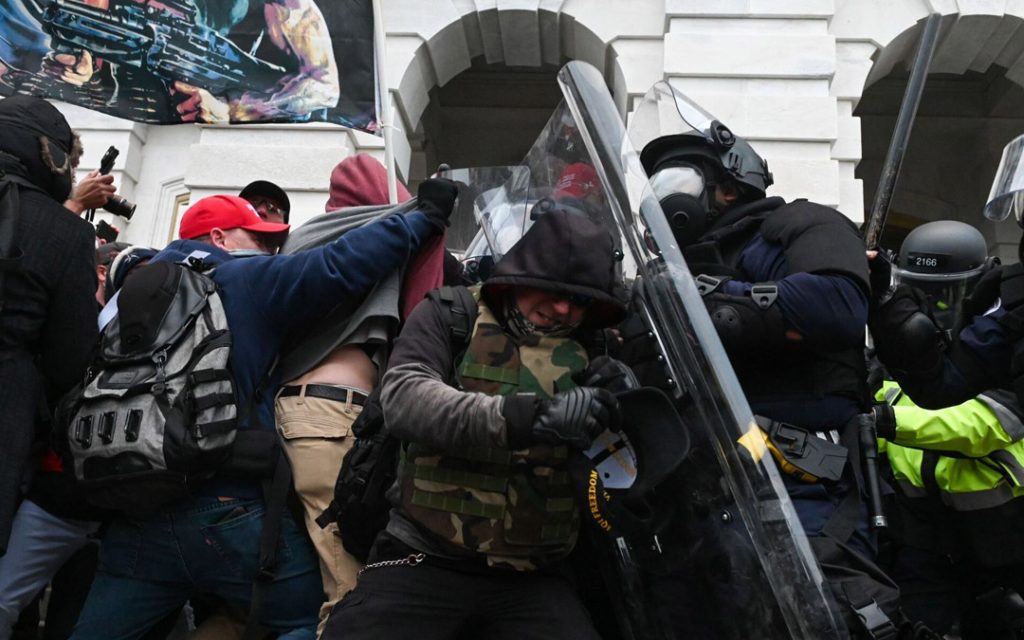
Now, like Watergate half a century ago, we’re about to find out if the televising of congressional hearings will finally wake up the American electorate to how close we came to a political coup on that afternoon of Jan. 6, 2021, when the mob stormed the Capitol building looking for blood.
If you think voters were captivated by the Watergate story from the start, you’ve mis-read history, or mis-remembered it. Woodward and Bernstein kept it alive so that it couldn’t be swept under the White House rug.
But it was the congressional committee headed by Sen. Sam Ervin that finally electrified the country and forced Nixon to resign in disgrace – when the TV cameras showed up and brought it all to life.
And here we are, all these years later, when so many would kiss off that disgraceful Jan. 6 riot, and Donald Trump’s role in provoking it, and we’re about to find out if open TV hearings can force even the most entrenched Trump suck-ups to discover a sense of conscience.
Half a century ago, we had John Dean telling the Ervin committee how he warned Nixon of “a cancer on the presidency.” And Rep. Howard Baker was asking, “What did the president know, and when did he know it?” And a White House aide name Alexander Butterfield was telling us the stunning news that, well, there were these White House tapes.
Who could turn away from such daily soap opera drama?
And now, can we turn away from the Jan. 6 drama? They’re talking about eight hearings, beginning this Thursday evening. Over the past year or so, much of this committee’s work has been done in secret.
But we’re told they’ve interviewed about 1,000 people, examined about 125,000 documents, uncovered hundreds of text messages between Trump family members and advisers on how to stage a coup and keep the former president in power.
Now comes the question that draws comparison with Watergate.
Half a century ago, Jimmy Breslin blamed newspapers for not doing enough coverage. The daily papers were the big shots back then. But no more. The media landscape is littered with their corpses and scattered all about are untold numbers of new media outlets now.
None of which have done much to wake up the country about how close America danced to the edges of a dark political upheaval one terrible January afternoon.
What does it mean to be fully present with each other and the sacred, asks Maryland-born cultural anthropologist Alanna E. Cooper.
As millions mourn the passing of Stephen Colbert from the airwaves, Michael Olesker looks back on the "institution" of late-night TV.

As he gets ready to leave for California, Rabbi Daniel Cotzin Burg looks back on his time in Baltimore and his 10 years writing for Jmore.