
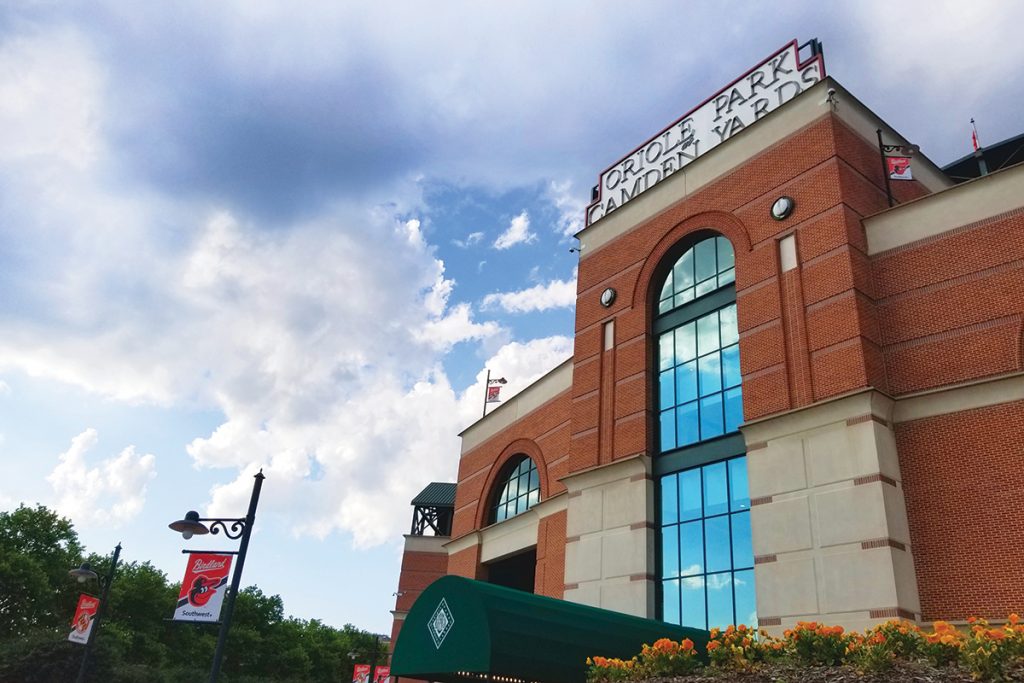
One night, years ago when Peter Angelos and his baseball club were both flying high, the Orioles’ owner sat in his Camden Yards luxury suite and talked about his ties to his home town, and his philosophy of life.
They’re worth remembering as his sons, and his wife, stage a legal fight in front of the whole town, and this threatens both the family name and the future of their baseball team.
“At heart,” Angelos said on that long-ago evening, “I’m still a kid from Highlandtown,” the east-side rowhouse neighborhood where he grew up, long before he’d made his enormous money on asbestos cases.
“Highlandtown,” he said again. “That tells it all. We took up for our rights. We might have provoked a few unfortunate fights, but we didn’t pick on anybody. You know, you wouldn’t fight to put a guy out of commission, it was just to get the job done. You’d hit hard, you’d make your point. And that was the end of it.”
Not any more, it isn’t.
The fight between the wife Georgia Angelos and son John, versus brother Louis, has lingered through the months and grown more complex and bitter with each legal accusation and each judicial ruling.
And all of it plays against a background of 93-year old Peter Angelos’ reported advanced dementia, and the future of the ballclub. There have been family conversations for several years about whether to sell the Orioles, either wholly or in part.
For Baltimore baseball fans, those conversations are shadowed by bad memories of sports ownership around here. It’s three decades since the Robert Irsay Colts sneaked away in the middle of the night.
Then, with the town still in mourning, the Eli Jacobs-owned Orioles went on the block. As worry spread that someone from outside Baltimore might buy the team and steal them away, it was Peter Angelos who stepped forward and bought the O’s.
His ownership years have been contentious, and Angelos has gotten plenty of criticism over the years – but he’s always been clear that the Orioles belonged to Baltimore as long as he was in control.
His family has not strayed from that verbal commitment. The club’s as Bawlamer as Fort McHenry, we’ve been assured.
But what happens if the team is sold? Does the family squabble affect such a sale? And what happens if new owners have no allegiance to Baltimore?
This family battle makes no one feel assured about the future of baseball here. And it comes at a time when there’s more enthusiasm about the team’s potential, and its hotshot young players, than there’s been since those brief couple of summers when Buck Showalter’s teams were winning.
What a shame if the Angelos family battle should detract from the sheer delight of watching the new kids come of age before fans so hungry for a winning team here.
What a shame if it affects the club’s future far beyond the shadows of Oriole Park.

Michael Olesker’s latest book, “Boogie: Life on A Merry-Go-Round,” was recently published by Apprentice House. It’s the life story of Baltimore legend Leonard “Boogie” Weinglass, an original “Diner” guy who grew up to create the Merry-Go-Round clothing chain and contribute millions to charity.

As he gets ready to leave for California, Rabbi Daniel Cotzin Burg looks back on his time in Baltimore and his 10 years writing for Jmore.

Michael Olesker pays tribute to WJZ’s retiring Marty Bass, a longtime fixture on local TV screens.
The Orioles' weak defense plays a major role in the nightly carnage, writes Michael Olesker.