

Thirteen gets a bad rap. Researchers contend as much as 10% of the American population has a profound phobia about the dreaded number and of Friday the 13th. The latter translates into annual financial losses of $800 million since some people refuse to travel, dine out, schedule events or even venture outside on that particular day.
Meanwhile, more than 80% of high-rise buildings in the United States don’t have a 13th floor, according to the Stress Management Center and Phobia Institute in Asheville, North Carolina. Furthermore, the majority of hospitals, hotels and airports avoid using the designation 13 for gates and rooms.
But in Jewish circles, 13 is far from an unlucky number. Thirteen marks the age in which a Jew becomes a daughter or son of the commandment and is accepted as part of a minyan. In gematria, or Jewish numerology, the words for love (ahava) and unity (echad) add up to 13. The great rabbi, philosopher and physician Maimonides famously wrote his 13 Jewish Principles of Faith, and the Thirteen Attributes of Mercy are at the core of the Selichot service held shortly before the start of the High Holiday season.
In honor of what some consider Judaism’s “lucky number,” Jmore offers its annual “Top 13” of the best things about Jewish Baltimore, a completely subjective, non-comprehensive and unscientific compendium of the people, places and things that make our community a special place to live.
1. No Loafing Around
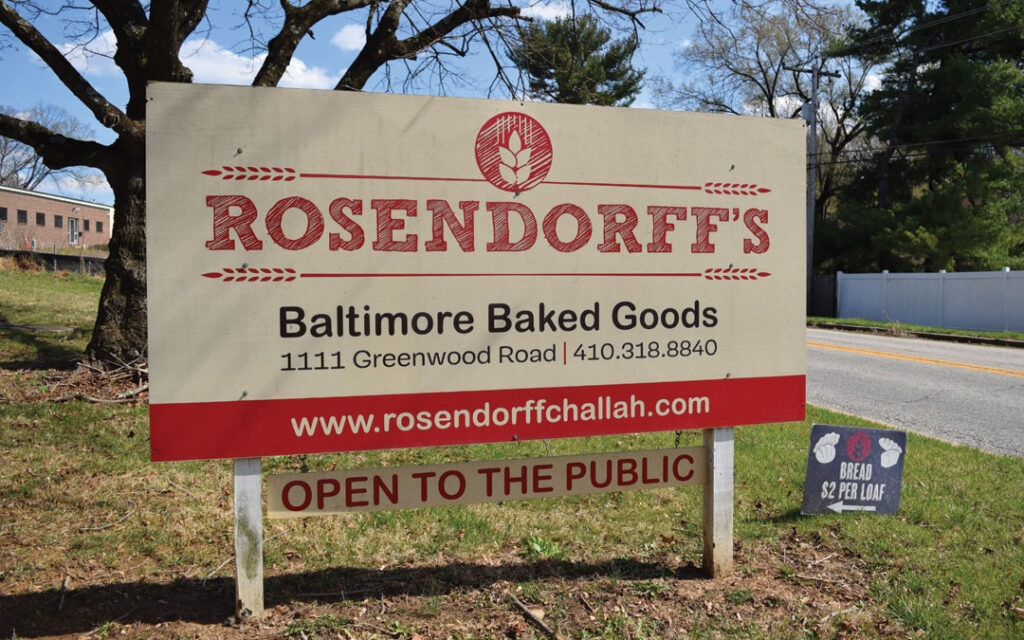
Around these parts, Rosendorff’s challah has become virtually synonymous with the celebration of Shabbat and Jewish holidays. Jewish families throughout the Baltimore-Washington region enjoy this family-owned-and-operated company’s challah and other artisan breads, made at Rosendorff’s Pikesville bakery/commissary. Founded in 2000 by South African-born family patriarch Gary Rosendorff (who started baking as a side home business), the challah has become a community favorite with its slightly sweet taste and tender texture. Meanwhile, Rosendorff’s has expanded into such products as kaiser rolls, panini sourdough, baguettes and (for you ardent “Seinfeld” fans) the marble rye. You can buy Rosendorff’s throughout Maryland and D.C., but also in Delaware, New Jersey, Virginia and Pennsylvania. Not too shabby for a business that started out of someone’s home kitchen and was originally just given out to friends and family members.
2. Staging a Renaissance
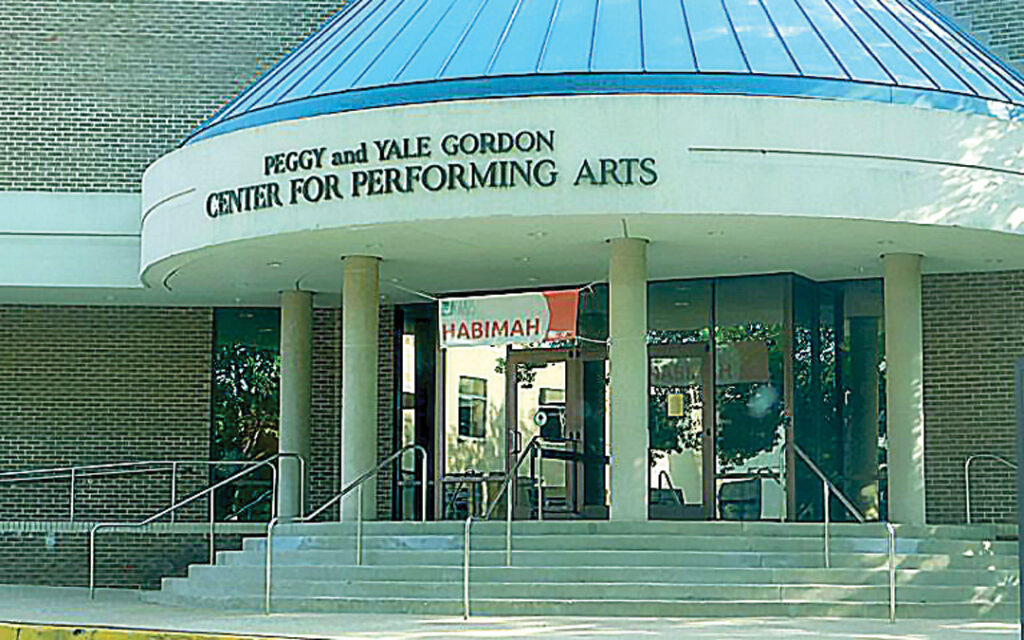
Since its founding in May of 1995 as a classical music venue with Jewish-themed programming, the Gordon Center for Performing Arts has evolved into becoming one of Baltimore County’s premier arts and culture venues — and a wonderful feather in the cap of the local Jewish community. Over the years, some of the biggest names in music, dance, comedy, film and family-friendly programming have performed at the center, located on the campus of the Rosenbloom Owings Mills Jewish Community Center. The 550-seat Gordon is also home of the Jewish Community Center of Greater Baltimore’s William and Irene Weinberg Family Baltimore Jewish Film Festival. Recently, the Gordon unveiled its new grand lobby, now designed with a more open, contemporary floor plan, a free-standing video wall and an updated display space in the Joseph and Rebecca Meyerhoff Art Gallery. By all means, check it out! There’s good reason why arts and culture lovers from throughout the region come to the Gordon on a regular basis.
3. Dearly Departed
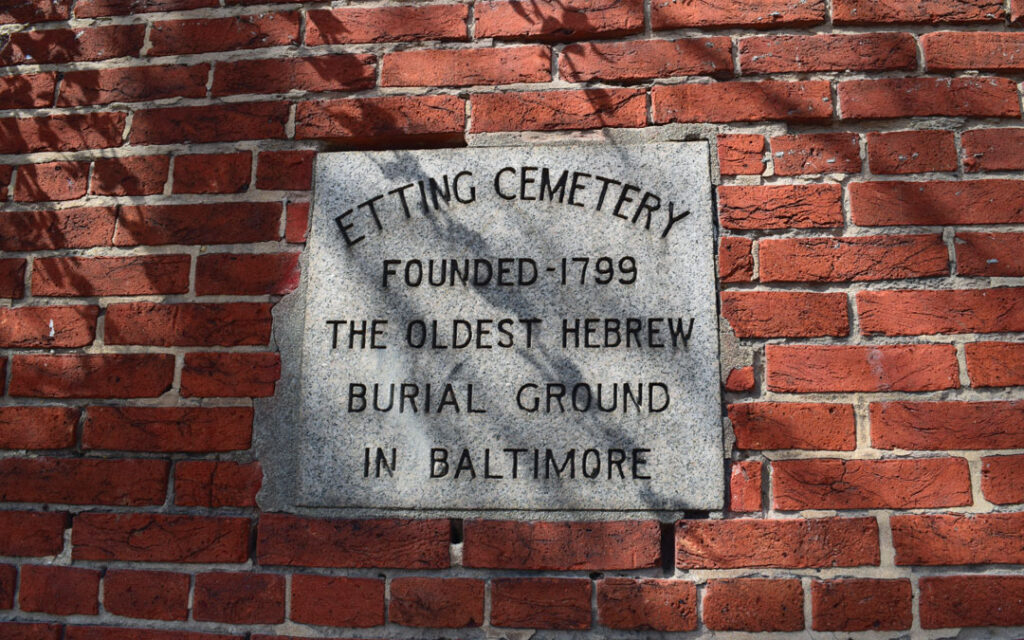
There’s a good likelihood that you’ve driven by the Etting Cemetery countless times over the years and never even noticed it. Located on North Avenue near Pennsylvania Avenue in West Baltimore behind an unassuming brick wall, the Etting Cemetery is the oldest Jewish burial ground in the state. The family cemetery was founded by Solomon Etting, a merchant, politician and one of the founders and financiers of the B&O Railroad. The first burial in the cemetery was for Etting’s infant daughter, Rebecca, who died in 1799. Among the 25 individuals buried there are Zalman Rehine, reportedly the first rabbi to live in Baltimore. The last interment was Richea Gratz Etting, Solomon’s daughter, in 1881.
4. A Living Tribute
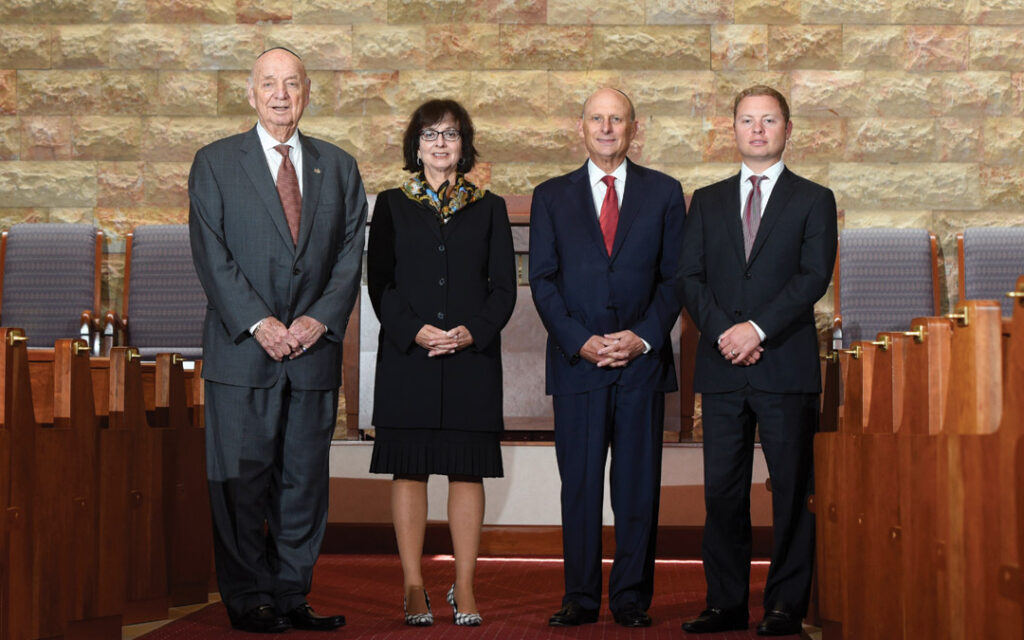
Speaking of the “Great Beyond,” anyone in Baltimore’s Jewish community who’s ever suffered the devastating loss of a loved one knows about the good work and high degree of professionalism exhibited at Sol Levinson & Bros. For more than 130 years, the family-owned-and-operated funeral home has been there for us during our most painful and challenging times. Visitors to local funerals from other communities often remark on the efficiency and sensitivity displayed by the folks at the Pikesville-based Levinson’s, now in its fifth generation of ownership. Meanwhile, Levinson’s—the only Jewish funeral business in Baltimore — has demonstrated its commitment to the community by launching volunteer initiatives and participating in special community projects, including a grief and bereavement series conducted with Jewish Community Services. While other mortuary businesses have been relegated to the dustbin of local Jewish history, Levinson’s has not only survived but thrived in a corporate era.
It is, arguably, the only venue in Baltimore utilized by Jews of all backgrounds and perspectives, from the ultra-Orthodox to the unaffiliated.
5. Simply Schneider

With his warm, engaging smile, congenial manner and sense of humility, Rabbi Paul D. Schneider is a beloved figure in Baltimore’s Jewish community, particularly among Conservative Jews. For 29 years, he served as headmaster of Krieger Schechter Day School, educating and inspiring generations of young Jews with his love of Am Yisroel Chai. The Detroit native also served as Chizuk Amuno’s director of congregational life, and currently serves on the advisory board of Galilee Dreamers, a program that fosters relationships between Arab and Jewish high school students living in northern Israel. Many folks also remember Rabbi Schneider, a master raconteur, from his days leading the popular auxiliary High Holiday services at Chizuk Amuno, where his moving, homespun sermons were always a highlight of the season. Anyone who’s met or heard Rabbi Schneider knows one thing: this gentle, wise and unassuming man is simply one of a kind. We’re blessed to have him.
6. Summer Lovin’
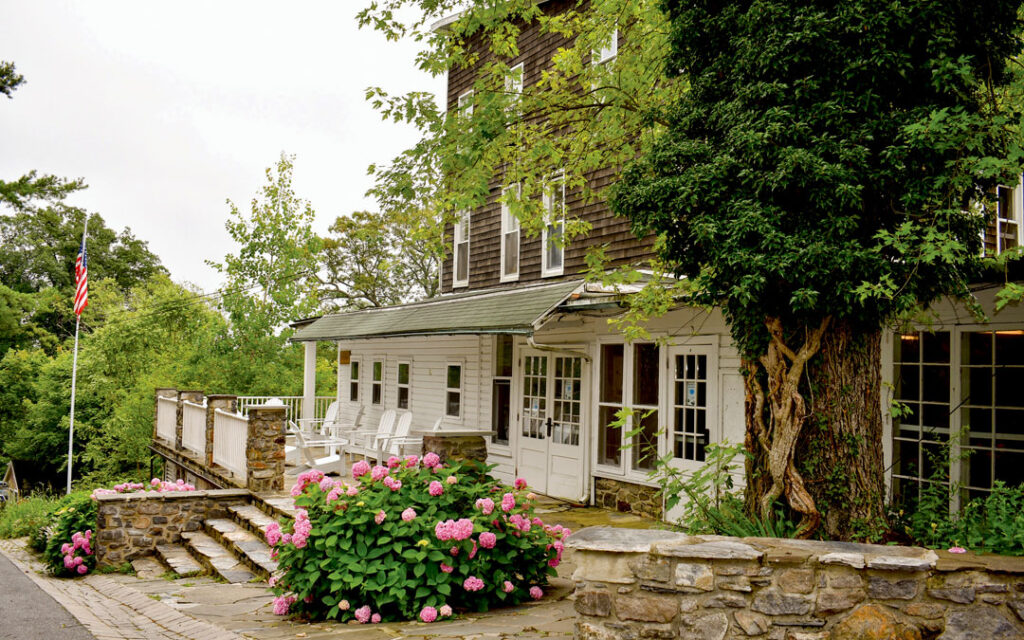
For generations of Jews in Baltimore and around the country, Camps Airy & Louise are synonymous with the concept and essence of summer. Many of us grew up at those camps in Western Maryland and still maintain contact with those friends we met there years ago. This year, Camps Airy & Louise, the nation’s only brother-and-sister Jewish summer camps, are celebrating their centennial anniversary. Over the past 100 years, the camps have offered a steady diet of creativity, fun and adventure while promoting self-growth, leadership skills and a sense of Jewish identity. Airy & Louis boast an alumni database of 100,000. This summer alone, the camps will have an enrollment of 1,475 campers with 475 staff members, including Israeli and other international counselors contracted to work at the camps. The camps were founded by philanthropists Lillie and Aaron Straus to instill the values of a camping experience to Jewish children from Baltimore and the surrounding areas. A century later, that dream remains alive and well.
7. Dean on the Scene

Baltimore Jews were, well, quite stoked when they first heard that Dean Kremer, a California-born son of Israeli immigrants, would be the first Israeli-American in the Major Leagues and play for the Orioles. He has not let us down. Kremer, 27, who lives two months a year in Israel, came to the O’s in 2018 from the Dodgers system. The right-handed hurler made his Major League Baseball debut in September of 2020, and despite some bumps, bruises and injuries, shows some real promise. In particular, Kremer wowed folks when he recently pitched for Team Israel in the 2023 World Baseball Classic in Miami, keeping Nicaragua’s bats quiet for four innings and winning 3-1. He’s also known for his mad ping-pong skills, infectious smile and great hair. Count us among Team Dean.
8. Standing Tall
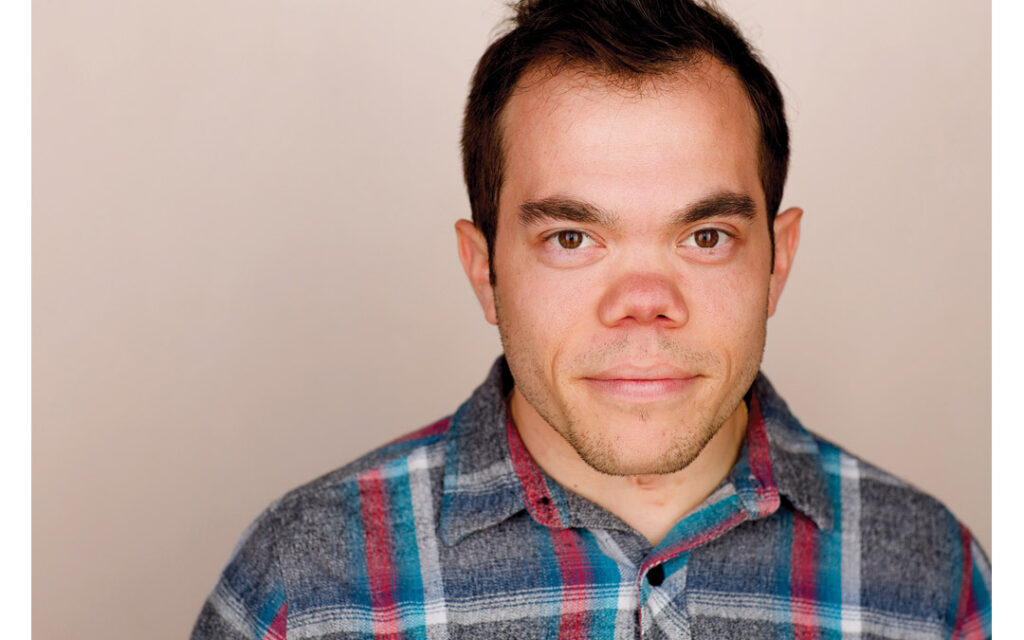
Matthew Jeffers no longer lives in Baltimore, but he is a true Charm City success story. A Pikesville native and graduate of the Beth Tfiloh Dahan Community School and Towson University’s acting program, Jeffers has done quite well in the highly competitive field of TV and theater. Besides appearing in 34 episodes of the NBC medical drama “New Amsterdam” as Dr. Mark Walsh, he has appeared on “The Blacklist,” “The Marvelous Mrs. Maisel” and “FBI.” All of this is particularly amazing when you consider that Jeffers, 30, has a rare form of dwarfism. His mantra is that the only disability in life is a bad attitude. “I’ve lived a life that a lot of people haven’t experienced,” he told Jmore in 2018. “I think those experiences have helped me to channel certain viewpoints and behaviors in the characters I play.” And in return, Jeffers is inspiring a lot of people.
9. Fresh Approach

Sandwiched between the historic Lloyd Street Synagogue and B’nai Israel in East Baltimore, the Jewish Museum of Maryland has long been the repository of the life and breadth of our community. Over the decades, the JMM has been lauded for some of its thought-provoking and innovative exhibits and programming. But since the arrival of executive director Sol Davis in early 2021, the museum has ushered in a new era in which a spirit of innovation and out-of-the-box thinking has pervaded. Prime examples have been the multi-media art exhibit “A Fence Around the Torah: Safety and Unsafety in Jewish Life” and the current “Material/Inheritance: Contemporary Work by New Jewish Culture Fellows.” The latter, which opened Mar. 26 and runs through June 11, showcases the works of 30 groundbreaking young visual artists, filmmakers, musicians, writers and poets. Let’s face it: getting people under 50 into a museum is no easy feat these days, but the folks at the JMM should be applauded for trying new, cutting-edge ways to tell the stories of Baltimore’s community and American Jewry.
10. Critter Corner
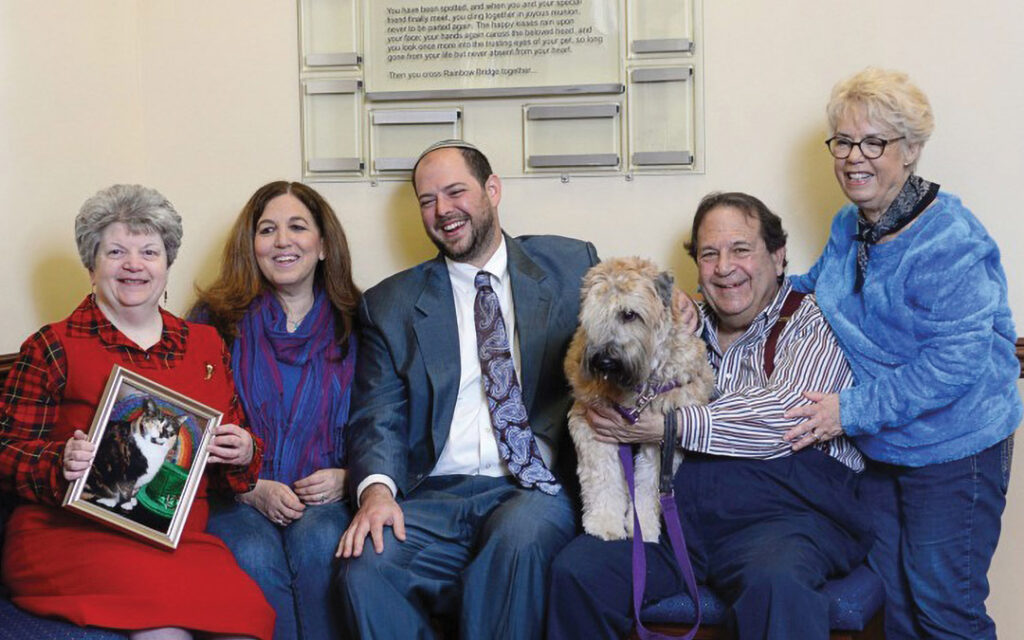
Losing a beloved pet can be one of the most traumatizing experiences a person deals with in this life. They are truly members of the family, as any pet “parent” will tell you. So any shul that erects a yahrzeit memorial board to pay tribute to deceased pets is a place with a whole lot of heart and soul. Such a place is Pikesville’s MMAE (Moses Montefiore Anshe Emunah) Hebrew Congregation, which for the past decade has featured a wall in the synagogue’s youth room of memorial plaques in memory of furry friends. “I think pets are holy to those who love them … because of the loving relationship and the tremendous gift of life they have given their owners,” MMAE’s Rabbi Yerachmiel Shapiro wrote in a column for Jmore in 2017. “They are truly messengers of the Almighty.” Anyone who has ever loved a dog, cat, bird, fish, hamster or any other kind of critter would absolutely agree with that sentiment.
11. Elijah Opens the Door
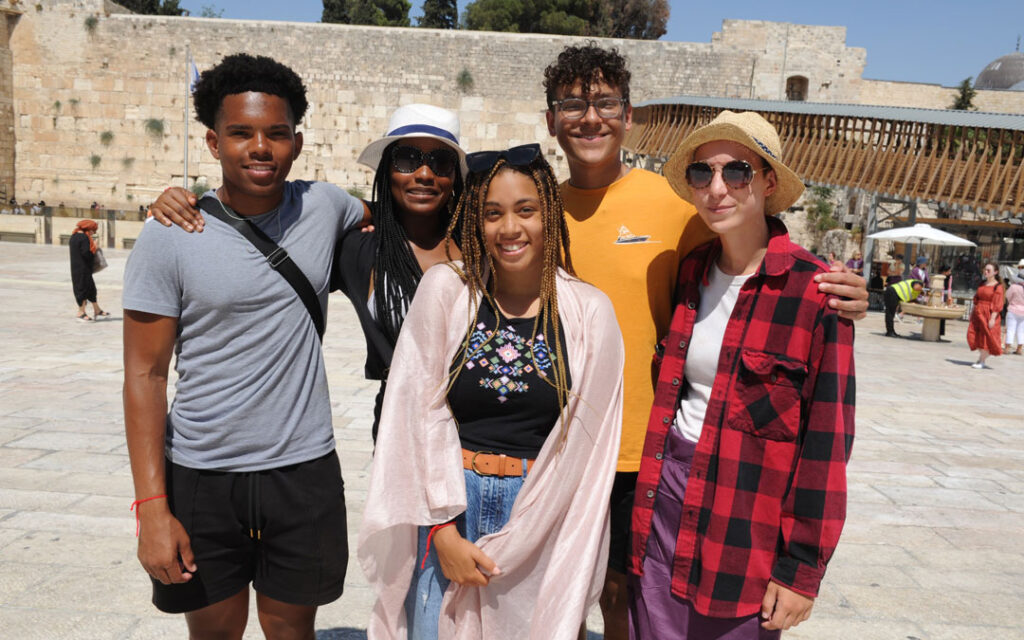
Yes, the Elijah Cummings Youth Program in Israel is a two-year leadership fellowship for high school students of all faiths and backgrounds in Baltimore. But it’s so much more. Since being founded in 1998 by its late namesake, Rep. Elijah E. Cummings (D-Md.), and the Baltimore Jewish Council, the program has served as an important bridge between Baltimore’s Black youth and the Jewish community and Israel. More than 200 people from Cummings’ 7th District have participated in the fellowship, which culminates in a visit to Israel for leadership training and diversity workshops. “I want to send a message that we cannot as African-Americans progress without coalitions, and our greatest coalition partner has been the Jewish people in America,” Cumming, who died in October of 2019, said on the 20th anniversary of the program. That message has been heard loud and clear, and many alumni of the Cummings program, such as CNN anchor Victor Blackwell, have become leaders and advocates in their own right. The legacy of Elijah Cummings lives on.
12. Mendes Who?

Quick history lesson: ever heard of Mendes I. Cohen? Didn’t think so. But Cohen may be the most significant Jewish Marylander you know precious little about. A native of Richmond, Cohen (1796-1879) lived most of his life in Baltimore and worked in his family’s banking house and lottery-and-exchange businesses. He and his family were largely responsible for raising the funds to construct Baltimore’s magnificent Washington Monument in Mount Vernon. During the War of 1812, Cohen and his brothers served in the Baltimore Fencibles unit stationed at Fort McHenry and fought bravely in the Battle of Baltimore. In 1826, he played a prominent role in the passage of Maryland’s “Jew Bill,” which defeated the prohibition of non-Christians holding elected office here. Cohen later became a world traveler and collected relics and artifacts from Russia, Turkey, Palestine, England and Egypt (where he was reportedly the first American to tour the Nile). A prolific writer of letters, Cohen attended the coronation of King William IV in 1830 and met Pope Gregory XVI the following year. He later became the first Jewish member of the Maryland General Assembly and served as a trustee to the Baltimore & Ohio Railroad. In 2015, the Jewish Museum of Maryland ran an exhibit about his life titled, “The Amazing Mendes Cohen.” Amazing, indeed.
13. Fighting for Fair-ness
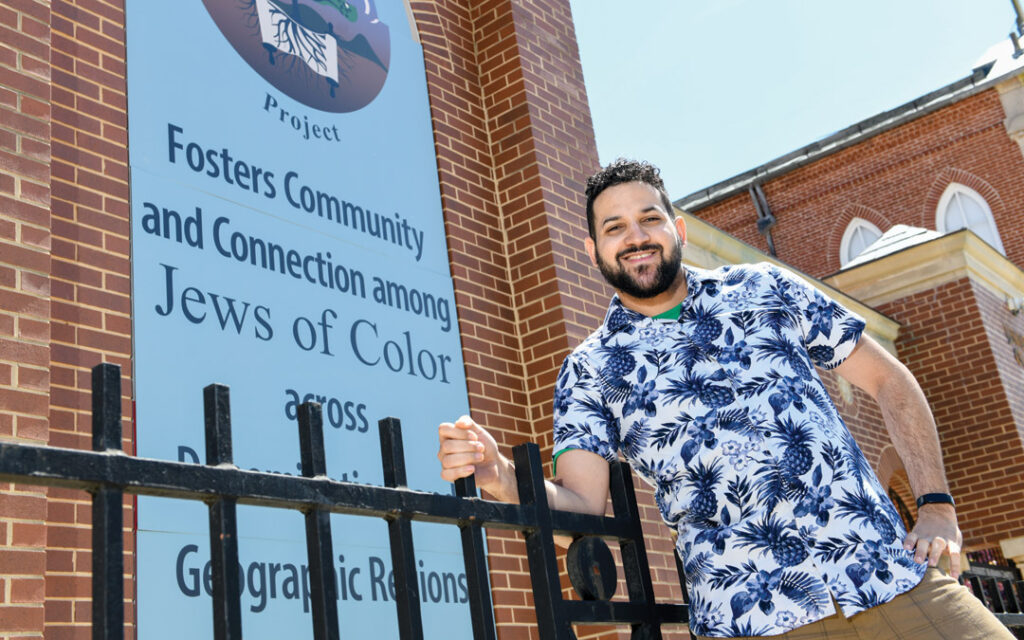
Justin Fair half-jokingly refers to himself as “a busybody.”
“You don’t build community by keeping to yourself,” says Fair, a Baltimore native. “I’m grateful I’ve found organizations I can connect with and explore ideas with. For a long time I hadn’t really felt connected, but now I feel like people are listening.”
A project manager at the Maryland Department of Housing and Community Development, Fair is a member of the Baltimore chapter of the Jews of Color Mishpacha Project and co-chair of JPride, which supports members of the LGBTQ community and their families. The Beth Am congregant also serves on the boards of the Jewish Museum of Maryland and Comprehensive Housing Assistance Inc. (CHAI).
Fair, 34, who lives in Patterson Park with his husband, Olanrele Oni, grew up in a multi-racial household. His mother was Jewish, his father was Black. Although he sometimes felt alienated from the Jewish community for being biracial and gay, Fair believes things are changing.
“I do think things are improving,” he says. “I think there’s a desire among the denominations as a whole to create a world of tikkun olam and compassion. At the end of the day, we all read the same Torah. All you can do is ask people to accept that you exist, even if they don’t like you. We all need to build our own community and strengthen ourselves.”
Fair wants to step up to the plate and become a leader for the entire Jewish community, including those who feel disenfranchised.
“My parents raised me to be engaged,” he says. “I feel like I’m developing real relationships with people and representing something for people because I’m comfortable in my own skin. It’s a gift to have these minority labels celebrated in a way they weren’t before.
“We have to use our voices in a way to be our own advocates,” Fair says. “I’ve found a sense of community that has helped me reexplore my Jewish identity. What’s important is that people simply open their minds.”
And a pair of honorable mentions:
Zeal for Zadie’s
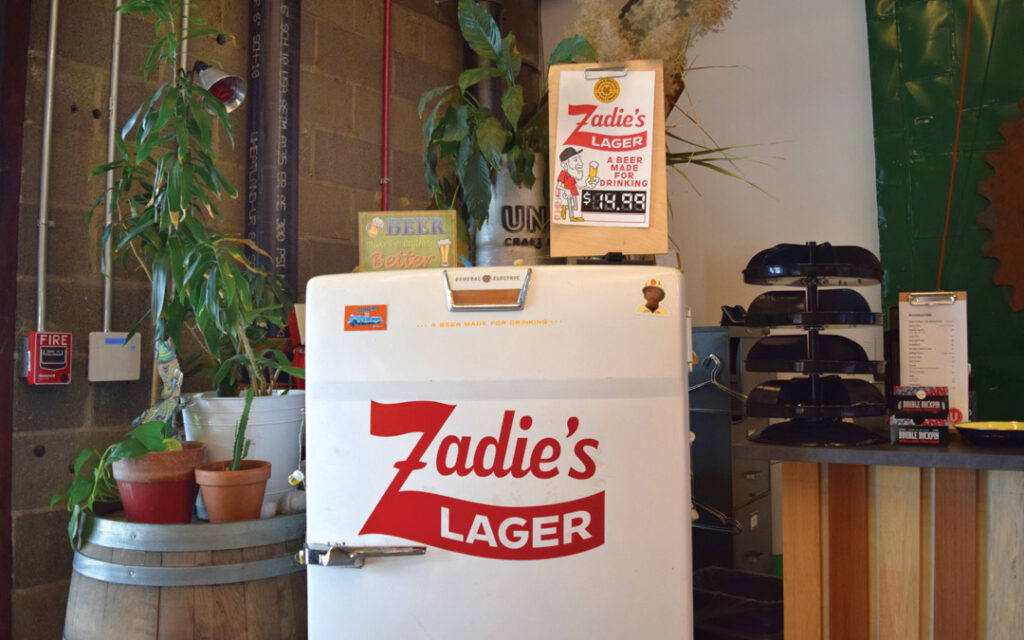
Is there any better way to remember and honor the life of a loved one than by naming a brewski after him or her? That’s exactly what the folks at Union Craft Brewing did when they created Zadie’s, a premium American light lager named after Henry “Zadie” Benesch, grandfather of the company’s co-owner, Adam Benesch.
Henry Benesch worked at Union Craft from the age of 96 until his passing in January of 2021, just a few days short of his 101st birthday, and he was a beloved, familiar sight there and an important part of the Union Craft culture. His spirit is sorely missed but lives on with the lager designed to evoke his independent spirit and unique personality.
So why not drop by Union Craft’s beer garden in Woodberry sometime and grab a Zadie’s and raise a toast to the grand old fella?
Transcendent Quality
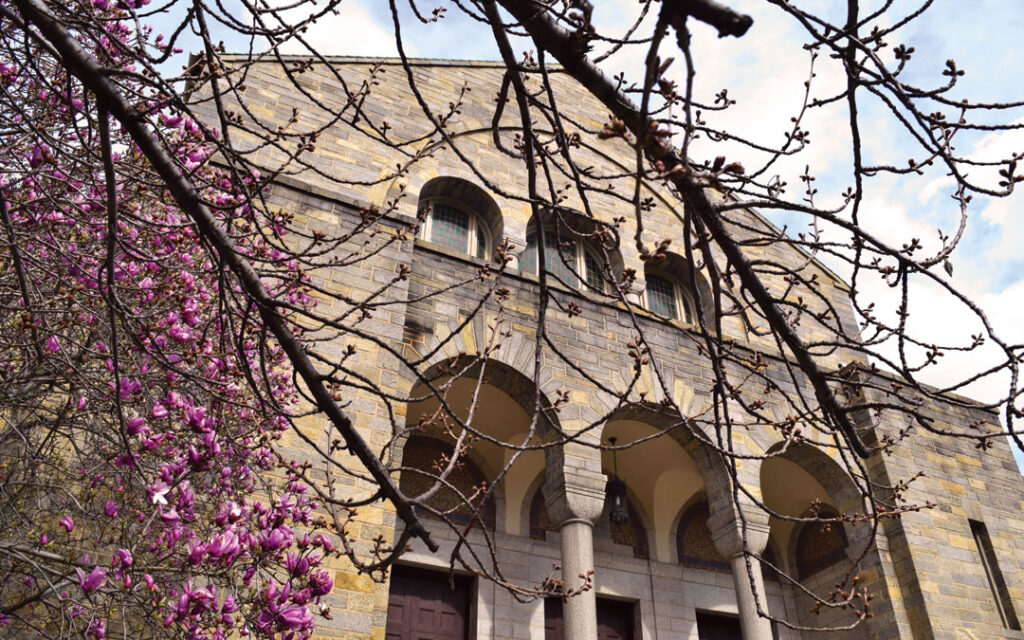
There are only a handful of older downtown shul sanctuaries remaining in Baltimore that truly summon a sense of divine wonder and awe — B’nai Israel, the Lloyd Street Synagogue, Shaarei Tfiloh, the old Eutaw Place Temple (now a Masonic lodge) and Reservoir Hill’s Beth Am.
The latter, built in 1922, is the former home of Chizuk Amuno and has housed Beth Am since 1974. Beth Am and its main sanctuary were designed by noted architect Joseph Evans Sperry (the Equitable Building, the Bromo Seltzer Tower) with the Great Synagogue of Florence in mind, as a holy space of grandeur and contemplation for any worshiper or visitor. With its wooden pews, marble bimah, vintage light fixtures, majestic ceilings and arched Moorish columns, the sanctuary is a symphony of nostalgia, taste and transcendence.
During the recent renovation of the building, the congregation installed new seat cushions, carpeting and a video streaming system to enhance the shul-going experience. Still, Beth Am’s main sanctuary retains its historic charm and exquisiteness. It’s a place that can transport you in thought and time.
'It's Classic!" featured rock climbing, food, live entertainment and more.
A Norfolk native, Frankle worked at Sinai Hospital, Camp Airy and privately for five decades.
Esther Greenberg, Leora Match, Kathlleen St. Villier Hill and Ben Gershowitz will be recognized for the contributions to the community.
For more than five decades, Dr. Rosenstein was known by local families as a trusted and caring physician for their children.