
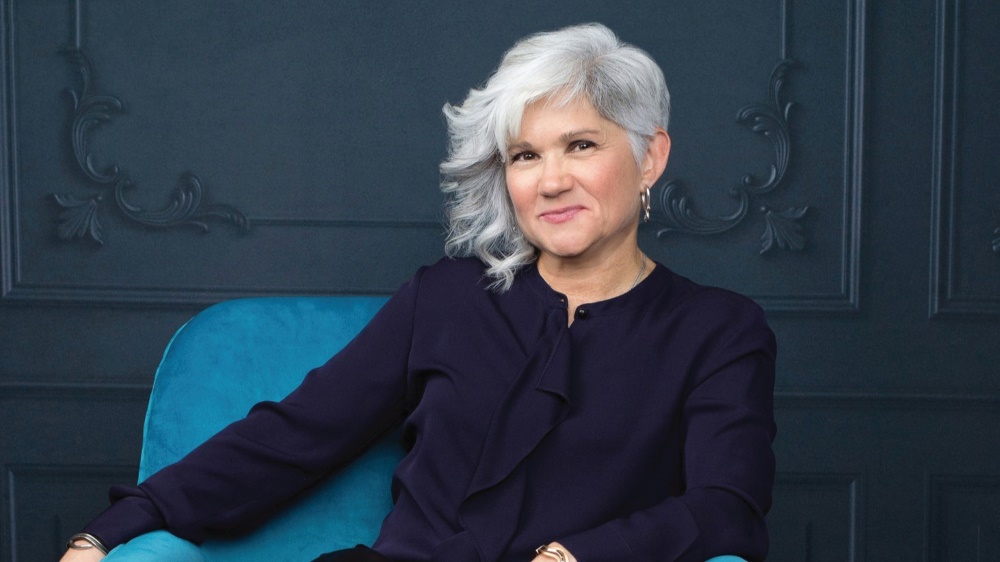
By the time we got married, Marcos and I were both 44 years old and biological parenting wasn’t an option. We dote on our nieces and nephews, and we’ve had kids live with us when it was unsafe for them at home. Marcos coaches boys’ soccer, and some players’ younger sisters come to me for help and advice. We’ve found friends through the gym, synagogue, volunteering and Marcos’ obsession with soccer.
I thought one of the hardest things about not having kids would be maintaining my community as we got older, but that’s not been the case. Our community is phenomenal, and we’re part of so many families. We go on vacations, to high school graduations and spend holiday meals with our chosen families.
What we find hard are those major life decisions I believe people with kids find easier to make, like choosing who gets our stuff and money, who will be our power of attorney, and who’ll help us decide when we can no longer take care of ourselves and what to do at that point.
Without kids, these decisions become complex and emotionally draining. We’re continually rethinking some of the choices we’ve made, while putting off others.
Before you remind me not everyone who has children will be able to depend on those kids for the long-term, I know you’re right. But I’m turning 56 and the whole “aging without kids” thing has been on my mind a lot. We have high-level plans with a will, medical directives and power of attorney that we developed after losing my mom and brother. My brother died without a will, leaving us to imagine what he would have wanted. We didn’t want others to go through that.
Recently, I’ve been asking some of my childless friends about their arrangements. One friend in her early 60s has a basic will she needs to revise. She also needs to make decisions about such matters as medical care and power of attorney, as well as notify some of the people she’s chosen to help her, like a cousin she selected as her executor. “Not sure why I haven’t told him yet,” she said.
At the other end of the spectrum is Cindy. She’s so organized she makes me even more insecure about our plans, with detailed advance medical care directives, a living will and funeral arrangements. “I’ve had those for years,” said Cindy, who’s 59. She developed them after working as a nurse and “seeing the trauma families go through when a loved one is incapacitated and unresponsive.”
My friend Melissa, 61, was moved to act after her mom passed away. She said “the big things are taken care of,” such as medical directives, which she’s provided to her doctor. (Note to self: send ours to our doctor.) There are still decisions she needs to make before she can write her will, which she said will happen after some “uncomfortable and scary conversations” with herself about her own mortality, as well as more concrete things like who she can rely on to make long-term decisions on her behalf.
I honestly felt overwhelmed until I talked to Melissa. We’ve not looked at our documents since we approved them more than five years ago. We still need to work out many details — do we parse family heirlooms and artwork between nieces and nephews? Find a museum? Help some of the kids in our lives pay off student loans? Set up a foundation?
My stepdad and one of Marcos’ brothers are our executors. My dad is 76, and Marcos’ brother has a family of his own. Are they really the right choices?
Melissa brought up the idea of an ethical will. People have used them for centuries to document their values, family history and what they’ve loved about their lives, mistakes they’ve made and what they’ve learned. Could an ethical will help us think through our legacy?
Another friend, Sharon, who’s 61, said, “I’ve joked with some adult children of friends that they would oversee me should I be blessed to get old and feeble-minded. A couple of them have volunteered to pick my nursing home for me, and one told me I’d have to move wherever he is living so he could be on top of my care.”
But on a serious note, Sharon said, “After my mother died, I went to see an attorney specializing in family law and estates. We set up a revocable trust. I have no immediate family in the area. This type of trust allows specific people to take care of me in the event I am incapacitated. Using this revocable trust, I am able to have specific friends or family designated to handle my finances, health care, etc.”
Sharon hasn’t decided “who gets what. It would be OK if whoever is in charge when I’m gone wants to come in and just chuck mostly everything into a dumpster, I guess. … I should indicate certain items that are of actual value for them, maybe with a little green sticker or something.”
When I was young and single, two of my nieces promised to always take care of me. “You’ll visit Aunt Faye in the nursing home when she gets old?” my brother would say. We’d laugh, but I’d cringe a little.
Decades later, I feel like we haven’t moved much beyond those conversations. How will Marcos and I know we’ve made all the decisions and chosen the right people? Without kids to share our thoughts with as we age, maybe an ethical will could be a good next step.
But would sharing it while we’re still alive and expecting people to adhere to it seem pretentious?
It’s all making my head hurt. As conversations with friends shift to topics many of us never gave a second thought to in our 20s, 30s and 40s, Marcos and I continue to talk about how to make this next set of decisions better than the ones we’ve made. It’s the best we can do for now.
Faye Rivkin is a local freelance writer.
The BCO, founded in 1984, will perform the works of Frank Zappa, Beethoven, Mason Bates and Karena Ingram.

For more than 130 years, Sol Levinson & Bros. has been woven into the fabric of Baltimore’s Jewish community.

Led by local Israel-American cellist Amit Peled, the Mount Vernon Virtuosi aims to inspire people beyond musical enjoyment.

As he gets ready to leave for California, Rabbi Daniel Cotzin Burg looks back on his time in Baltimore and his 10 years writing for Jmore.