
Pruning is a crucial skill that every gardener should master. Done right, it not only boosts the health and blooming of your plants but also keeps them looking their best. Think of pruning as giving your plants a stylish haircut with a purpose. By carefully trimming away parts of a plant, you guide its growth and shape. While you can prune trees, shrubs, perennials, and vines, this article zooms in on the art of pruning shrubs.
Among the most common pruning questions master gardeners get are, “When do I prune my azaleas and hydrangeas?” When it comes to pruning, timing is key and is based on shrubs’ flowering, fruiting or growth habit.
Here are some guidelines:
Azaleas should be pruned right after flowering in late winter or early spring. Although you will lose some of the buds that grew last fall, it remains the safest time of year to cut, particularly if the azaleas need drastic pruning.
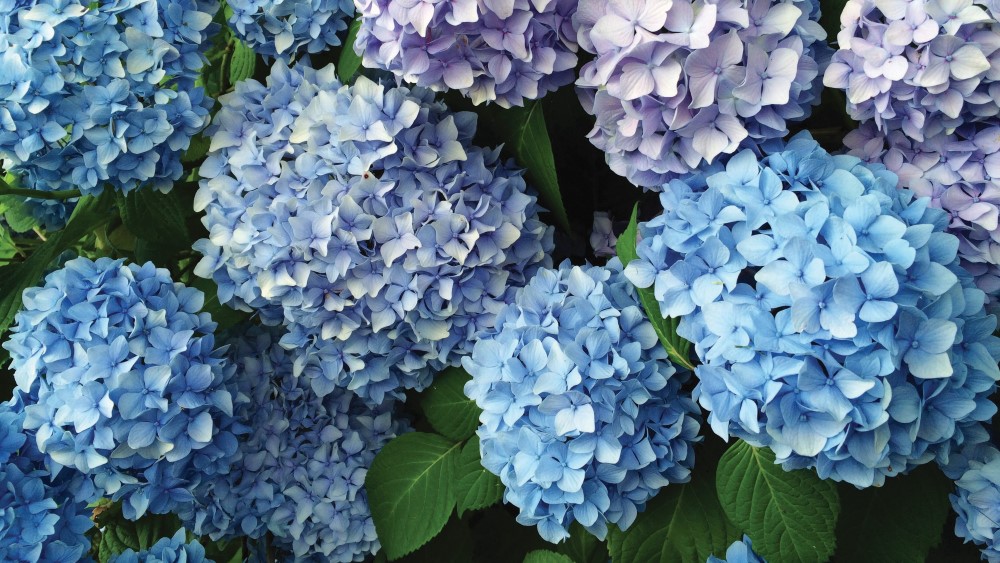
Hydrangea arborescence and Hydrangea paniculata flower on new wood, meaning they develop their flower buds on the current season’s growth. These shrubs should also be pruned in late winter or early spring. Pruning at this time of year allows you to shape the plant, remove dead or damaged wood, and encourages vigorous new growth, which will lead to abundant blooms in the upcoming growing season.
Hydrangea macrophylla and Hydrangea quercifolia are best pruned right after they flower, typically in the late spring or early summer. Both species produce flower buds on old wood, meaning they develop buds for next year’s flowers soon after they finish blooming. This timing allows you to remove any dead or damaged wood and shape the plant without sacrificing the following year’s blooms.
Pruning for Growth
Pruning newly planted shrubs, aids in establishing them and encourages vigorous growth and denser plants. The removal of dead, diseased, damaged or broken branches helps prevent insects and decay. Badly crossing branches should be removed. Severe pruning will invigorate new growth in many species and may save declining plants. Removal of dead flowers and seedpods increases bloom for the following year. Seedpods on rhododendrons and lilacs drain energy from the production of new shoots and flowering buds so they should be removed. Thinning out shrubs permits light into the interior for better flower bud production and desired appearance.
Tools for Pruning
To maintain a hedgerow, such as privet, azaleas or boxwoods, specialized pruning tools are required. Start with hand pruners for the smallest twigs; for larger stems, two-foot to three-foot long loppers; saws and sharp-edged knives for larger branches. Power tool trimmers for hedgerows and solid geometrics are a necessity. All cutting blades must be maintained after use and oiled slightly to prevent rust.
Want to learn more? An excellent general reference on all phases of pruning is the 1996 book, “The American Horticultural Society, Pruning and Training” (DK Publishing, Inc.), by Christopher Brickell and David Joyce.
Rebecca Brown began her career as a horticulturist more than 30 years ago and studied at the New York Botanical Gardens. She has been a University of Maryland, Baltimore County master gardener for nine years and is a backyard beekeeper.
Norman Cohen is a retired chemist. He has been gardening for 40 years and has been a University of Maryland, Baltimore County master gardener for 15 years. Cohen also provides gardening education to the public at local farmers markets.

The BCO, founded in 1984, will perform the works of Frank Zappa, Beethoven, Mason Bates and Karena Ingram.

Led by local Israel-American cellist Amit Peled, the Mount Vernon Virtuosi aims to inspire people beyond musical enjoyment.
Container vegetable gardening is a terrific option for people with limited space and/or time. Rebecca Brown and Norman Cohen share some tips.

Filmmaker Justin Schein looks at wealth and inequality through the very real story of his late father.