

Imagine a garden where every plant thrives, free from pesky insects, diseases and annoying critters, all without harming the environment?
Welcome to the world of Integrated Pest Management, a holistic approach that transforms your gardening experience, whether you’re growing veggies, maintaining a lush lawn, or nurturing trees and shrubs.
What makes IPM special?
IPM is like having a superhero team for your garden, using a combination of smart strategies to keep everything in harmony. Here’s how it works:
Cultural Practices: These are the good habits that keep your garden healthy — proper watering, rotating crops and choosing resistant plant varieties.
Physical Practices: These hands-on techniques include pulling weeds, using barriers and setting traps. Together, they create a fortress to protect your plants from invaders.
Biological Control: Nature has its own way of dealing with pests. IPM harnesses the power of beneficial insects and organisms that naturally keep pest populations in check. Ladybugs, for example, love munching on aphids.
Safe Chemicals: When needed, IPM uses non-synthetic, plant-based solutions that are safe for humans, animals and the environment. These gentle warriors help manage pests without causing harm.
Let’s explore how prevention and the use of cultural and physical methods can make your garden thrive.
Cultural Methods
Garden Journal: Keep a detailed garden journal to track plants and trees, note their locations, record purchase dates and choose disease or insect-resistant varieties. Document extreme weather events like droughts and any signs of disease or insect damage.
Right Plant, Right Place: Get to know your plants like friends! Understand their needs for moisture, light, and soil pH. Replace troublesome plants with ones that thrive in your climate region, and plant at the right time for the best results.
Soil Testing: Test your soil every two years for vegetable beds and every three to five years for lawns, shrubs, and perennials. Adjust the pH as needed. Healthy soil is the foundation of a vibrant garden.
Soil Improvement: Before planting shrubs and trees, enrich your soil with compost. Every year, incorporate compost into vegetable beds. Fertilize according to your soil test recommendations. Remember, over-fertilizing can lead to excessive growth that attracts pests.
Moisture Management: Keep your soil moist but not waterlogged. Avoid overhead watering and try to water early in the day so plants can dry off. Use soaker hoses and mulch to maintain moisture levels.
Weed Control: Weed, weed, weed! Weeds steal nutrients and moisture from your plants and can host diseases and pests. Regular weeding keeps your garden healthy and happy.
Disease Prevention: Avoid working in the garden when foliage is wet as this can spread diseases.
Physical Methods
These hands-on techniques are your secret weapons to protect your plants and keep pests at bay:
Pruning: Prune your plants to increase air circulation, and remove diseased, damaged, or heavily infested parts. This can save the healthy growth and prevent future problems. Think of it as a spa day for your garden!
Fences: Defend your garden with fences to keep out hungry plant feeders. An 8-foot high or 6-foot panel wooded fence works wonders against deer, while a 3-foot fence deters rabbits. For groundhogs, humane cage traps are the way to go.
Protective Covers and controls: Use floating row covers to protect broccoli, cabbage and cauliflower and apply paper plant collars to ward off cutworms. Diatomaceous earth is effective for stopping slugs while kaolin clay repellent creates a particle-film barrier to reduce pest feeding and damage. Wrap aluminum-foil on squash stems to deter insects from feeding.
Hand-Picking: Inspect your plants regularly and hand-pick insect eggs, immature and mature insects. Squash them or drop them into a dish of soapy water to keep your plants safe. It’s a satisfying and eco-friendly way to manage pests.
Remember, physical and cultural practices go together in maintaining a sustainable and productive garden. Together, they create a balanced eco-system where your plants can thrive.
Rebecca Brown began her career as a horticulturist more than 30 years ago and studied at the New York Botanical Gardens. She has been a University of Maryland, Baltimore County master gardener for nine years and is a backyard beekeeper.
Norman Cohen is a retired chemist. He has been gardening for 40 years and has been a University of Maryland, Baltimore County master gardener for 15 years. Cohen also provides gardening education to the public at local farmers markets.

The BCO, founded in 1984, will perform the works of Frank Zappa, Beethoven, Mason Bates and Karena Ingram.

Led by local Israel-American cellist Amit Peled, the Mount Vernon Virtuosi aims to inspire people beyond musical enjoyment.
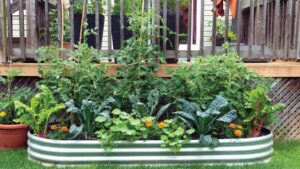
Container vegetable gardening is a terrific option for people with limited space and/or time. Rebecca Brown and Norman Cohen share some tips.

Filmmaker Justin Schein looks at wealth and inequality through the very real story of his late father.