
Jewish tradition suggests we wake up each morning with words of gratitude on our tongues: Modeh Ani l’fanecha! I am grateful before you God, for the privilege of being alive!
I, myself, do this each day, but since Oct. 7, 2023, and also since Jan. 20, 2025, I wake these days to a foreboding sense of dread. As we watch Donald Trump and his enablers set loose the underpinnings of our democracy and work to unravel the very fabric of our society, what are we to do? What are we to say as we witness the unmaking of civil society, the assault on higher education, the environment, the economy, on women and LGBTQ people, on immigrants, science and the rule of law?
As we witness the rise of antisemitism by way of antisemitic pretext (“Sending political refugees to a Salvadoran gulag is what fighting antisemitism demands!” we are told), many of us Jews think to ourselves, “We know this game.” We also know where it leads. So while we wish to speak words only of gratitude each morning, we may find ourselves thinking (or saying) some other words, too.
I’m reminded of George Carlin’s iconic “Seven Dirty Words” Routine. I won’t list them here (the routine is on YouTube if you need a refresher) but suffice it to say, even a rabbi these days may be inclined to utter a few of them! This is the case, at least in part, because embedded within Trump’s war on our democracy is an insidious mission to strip words of their meaning and imperil efforts to build a healthier, more inclusive and more just America.
George Orwell said, “If thought corrupts language, language can also corrupt thought,” and Trump, like so many despotically inclined rulers before him, is an adept student of this craft. Carlin’s routine was adjudicated at the U.S. Supreme Court in 1975 in FCC v. Pacifica, a 5-4 majority ruling in favor of the FCC’s ability to limit speech on the airwaves.
In our era of toxic social media and Orwellian doublespeak, the debate over obscenity feels almost quaint. This is because the current battleground over speech is much less about profanity and much more about robbing words of their meaning — and therefore our society of a common language.
For Jews, words have a special power. Genesis suggests the universe itself was spoken into existence. God says, “Let there be light,” and light comes into being (1:3). The Holy One instructs the waters to create space for dry land, and they do (v. 9). Humanity, too, is spoken into being (v. 26), and unlike the rest of creation, our species is fashioned in God’s likeness. We, too, can speak; we too can create or destroy with words.
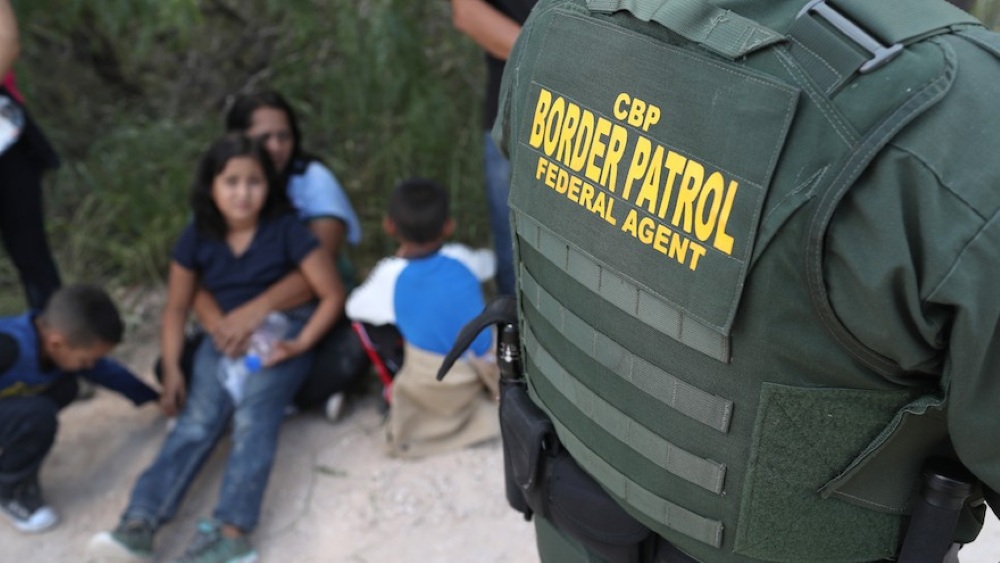
Calling immigrants “rapists” or “invaders,” veterans “losers,” and Jews “haters of their own religion,” was Trump 1.0. The new version, bolstered by cabinet allies and sycophantic legislators is, a la Orwell, about assigning old words new meaning.
If fake news — the real phenomenon of ignoring journalistic standards and printing blatantly false stories can be made to mean “any news story I don’t like” — it shouldn’t surprise us that words which used to engender widespread regard, even reverence, have become to large swaths of our country, new obscenities.
Here is my best attempt the name Seven New Dirty Words: Diversity, Equity, Inclusion, Nuance, Context, Compromise, Compassion. Instead of dignifying the attack on these words by defending them, I want to simply invite us to sit with them.
In the coming weeks, I’ll be exploring each of these words in a short essay on my Substack, which you can find at TheUrbanRabbi.org. You can subscribe for free, and I hope you’ll weigh in with questions or comments.
My goal will be to offer specific examples of how these words, hardly dirty in our tradition, undergird some of the most important concepts in Jewish tradition and animate our pursuit of justice.
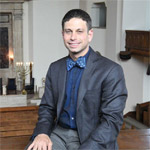
Rabbi Daniel Cotzin Burg is spiritual leader of Beth Am Synagogue in Reservoir Hill. This column and others also can be found on his blog, The Urban Rabbi.
As he gets ready to leave for California, Rabbi Daniel Cotzin Burg looks back on his time in Baltimore and his 10 years writing for Jmore.

Michael Olesker pays tribute to WJZ’s retiring Marty Bass, a longtime fixture on local TV screens.

The Orioles' weak defense plays a major role in the nightly carnage, writes Michael Olesker.