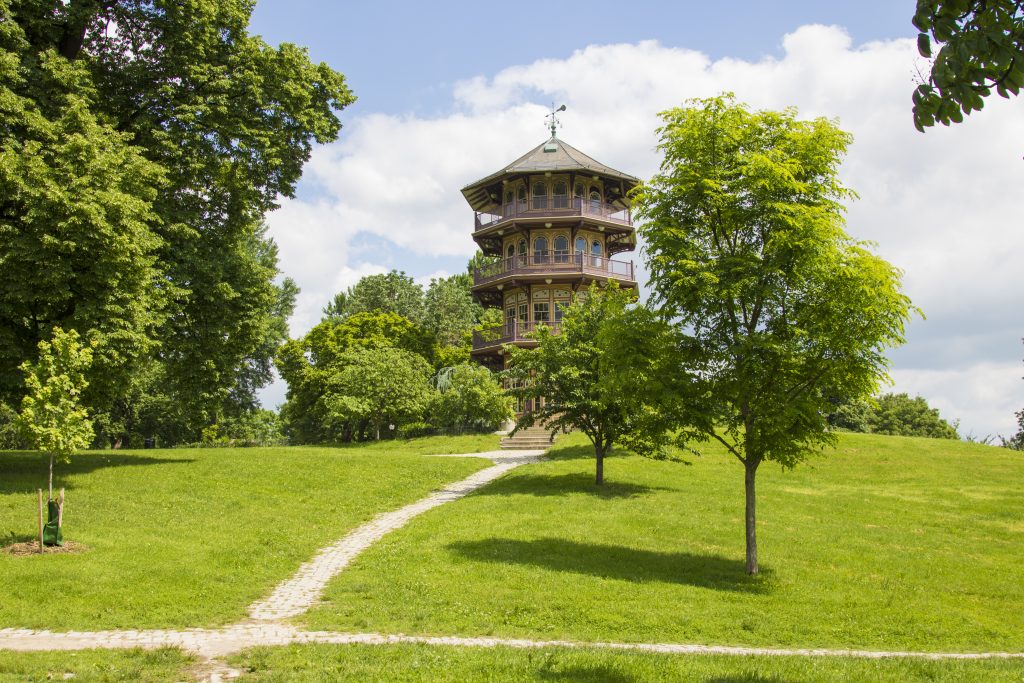
I went to Patterson Park over the weekend to join all those telling Donald Trump to stop being such a bully. He wants to rid the country of immigrants of color. It’s part of a plan: Make America White Again.
There was a wonderful crowd at the glorious east-side park, a big and peaceful gathering although virtually all white. This figures. Any time you get people of color gathering in one place, Trump sends out armed men in uniform to snatch them away and their families are left bereft.
So it was nice to see so many people gathered in one place – as they were at an estimated 2,000 locations all over America – to tell Trump to stop doing all the cruel things he’s trying to do to those who have no defense.
Or, as one hand-made sign put it Saturday, “When cruelty becomes normal, compassion looks radical.”
“Let’s call it what it is,” Odette Ramos told the big crowd Saturday, referring to action by the Trump White House gang. “This is white supremacy.”
Ramos is a city council woman from northeast Baltimore. She’s the first Latino ever to serve on the council.
Don’t tell Trump, or we might never see Ramos again.
This was the same week in which a United States senator, Alex Padilla, tried to ask the secretary of Homeland Security, Kristi Noem, about so many Latinos getting grabbed off the streets of California.
Padilla never got to ask the question. He got shoved out of the room, driven to the floor, and handcuffed behind his back as he lay there on his belly. Noem said she felt threatened, though Padilla never got near her. She said she didn’t recognize him.
Excuse me, he’s a U.S. senator, in his home state, in a federal office building, who’d been escorted into the room by officers.
We’re lucky cameras were running, or Padilla might have disappeared like so many others.
It’s just Padilla’s bad luck to have a history of immigration in his family.
As do we all, somewhere along the way.
Because, I’ll tell you who else I saw at Patterson Park, besides all those gathered to vilify Trump.
I saw ghosts.
This park, and all the crowded little streets surrounding it, has always been home to immigrants. You can go back to the turn of the last century and the record is consistent. They’d get off the boat at South Baltimore’s Locust Point, work their way over to Fells Point as they put together a few bucks, and then settle all over Southeast Baltimore where Patterson Park was the great gathering place for kids of all backgrounds.
And what kind of citizens did the area produce? Not much.
How about Barbara Mikulski, parents out of Poland, who grew up a few blocks from Patterson Park. She became the longest-serving woman in the history of the U.S. Senate?
How about Ted Venetoulis, parents out of Greece, who grew up in the shadow of the park and spent most of his youth playing ball here. He became Baltimore County executive.
Or how about the D’Alesandro family. Descended from Italian roots, they lived maybe half a mile west of the park. But what did they ever do? The father, Tommy the Elder, becomes mayor. The eldest son, Tommy the Younger, becomes mayor. The daughter, now Nancy Pelosi, becomes the most powerful woman in all of American history.
And how about all those Jews who settled on nearby Lombard Street, who came out of the shtetls of eastern Europe and contributed so mightily to Baltimore’s success, and America’s?
Immigrants, so many of them. The kind of people to be remembered when this president, ignorant of all history, wishes to take them from their homes and banish them forever.
So Saturday, June 14, wasn’t just a day to gather and tell this president to stop being such a bully. It was to remind ourselves of a whole history of immigrant families, and what they’ve done for America.
Ted Venetoulis was just one example. Coincidentally, Saturday was his birthday. Ted would have been 91. He would have looked down at Patterson Park, where he began to discover the American mix, and the sight of all those people would have warmed his heart.
A former Baltimore Sun columnist and WJZ-TV commentator, Michael Olesker is the author of six books, including “Journeys to the Heart of Baltimore” (Johns Hopkins University Press) and “Michael Olesker’s Baltimore: If You Live Here, You’re Home” (Johns Hopkins University)
What does it mean to be fully present with each other and the sacred, asks Maryland-born cultural anthropologist Alanna E. Cooper.
As millions mourn the passing of Stephen Colbert from the airwaves, Michael Olesker looks back on the "institution" of late-night TV.

As he gets ready to leave for California, Rabbi Daniel Cotzin Burg looks back on his time in Baltimore and his 10 years writing for Jmore.