
There are certain moments in your professional life that you’ll never forget.
One of mine came in the early ‘90s while covering the arrival of a World War II-era boxcar at Baltimore’s port — en route to the U.S. Holocaust Memorial Museum in D.C. from Eastern Europe — and watching local survivor Rubin Sztajer simply stare at the battered freight car, lost in his thoughts and memories.
Another came last week while touring the traveling Nova Music Festival Exhibition, which brilliantly tells the story of the gathering that became the site of a Hamas massacre in southern Israel on Oct. 7, 2023.
Noa Beer, a festival booking agent and Nova survivor, gave a couple of us a private tour of the multimedia exhibition, which concluded its run recently in Toronto and at D.C.’s Gallery Place after touring throughout the world.
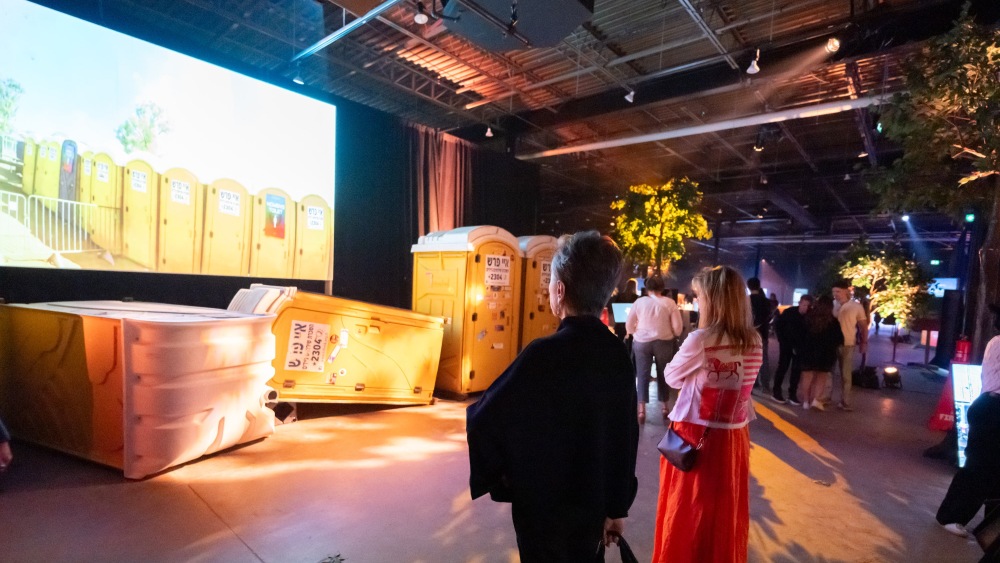
A gentle and articulate Israeli-British woman, Beer, 30, was sharing stories about close friends she’d lost at Nova while standing near a row of portable toilets from the festival.
Suddenly, when a nearby video screen showed terrorists spraying volleys of bullets into those Porta Potties at Nova on that day, Beer stopped talking and cleared her throat. Her face turned ashen.
“If you don’t mind, let’s walk away from here,” she said. “I’m sorry, but that footage is triggering me.”
The moment was a stark reminder of what Oct. 7th survivors still grapple with in the midst of a world where hatred, antisemitism and anti-Israel sentiments – and even denial and conspiracy theories about 10/7 — run rampant in the wake of the bloodiest day for Jews since the Holocaust.
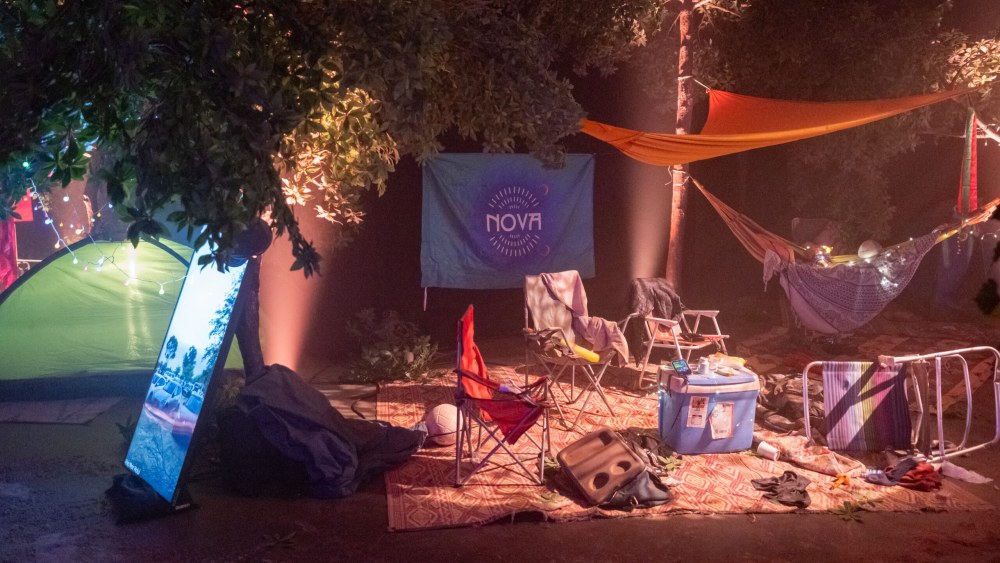
The first thing you notice when entering this exhibition is the din and visual assault on the senses. There’s no warning or lead-up; you’re immediately transported to Nova on that tragic morning, with pop-up tents, lawn chairs, rolled-up blankets, hammocks, flattened water bottles, teddy bears, shoes, hats, eyeglasses and discarded mobile devices everywhere.
There’s no escape or let-up. Even sand, pebbles, grass and leaves are scattered throughout the floor to simulate the experience of being there.
From an array of video screens placed pivotally throughout the exhibition, you hear a cacophony of loud voices, car horns honking, gunfire, explosions, triumphant exultations in Arabic, people screaming in Hebrew and English.
You watch a video of an IDF officer entering the festival grounds only hours after the massacre.
“Police! IDF! Who’s here?” he shouts from his body camera while inspecting the main bar area. “Someone, can you give us a sign of life? Anyone, please, can you answer me?”
The silence, of course, is deafening and heartbreaking.
From a re-created bomb shelter, a video shows a group of Nova attendees hiding, stacked up against each other and chatting nervously about what to do. Moments later, the video shows subsequent footage of the same shelter, empty of human beings and filled only with blood on the floors and walls.
You also hear from Danielle Sasi, a Nova survivor in her early 30s whose father, Avi, sacrificed himself to save her and others hiding in a shelter. He was blown up by a grenade thrown in by terrorists, attempting to use his body to prevent further carnage.
“I think of my little son,” she said, holding back tears. “One day, I’m going to tell him what a saba [grandfather] he had.”
‘It Sticks to Your Soul’
From the video screens, you hear so many poignant, heroic and heartrending stories. The Muslim man who courageously exited a shelter to tell the terrorists that he, too, was an adherent of Mohammed and so were all the others in the “safe room” (a white lie). He even chanted a verse from the Quran, only to be told he was a Zionist traitor and receive a bullet in the head.
You hear from an Israeli mom, who recalls that horrific day and frantically awaiting news about the fate of her daughter at Nova. She was on a Zoom conference call with President Biden when receiving a knock at the front door informing her that her daughter’s lifeless body was recovered near the festival site.
From videos and wall panels, you learn about the many cases of sexual assaults. In one video, an Israeli farmer named Ravi Davidian, who’s credited for saving hundreds of lives at Nova, becomes emotional when remembering dead naked girls that he cut down from trees and covered up while reciting the Shema.
Another survivor remembers standing near a pair of young women waving joyfully and unknowingly at Hamas terrorists paragliding through the sky, believing they were part of the festival activities and motioning for them to land near them.
“Don’t worry,” he said the terrorists yelled down, “we’ll be there soon.”
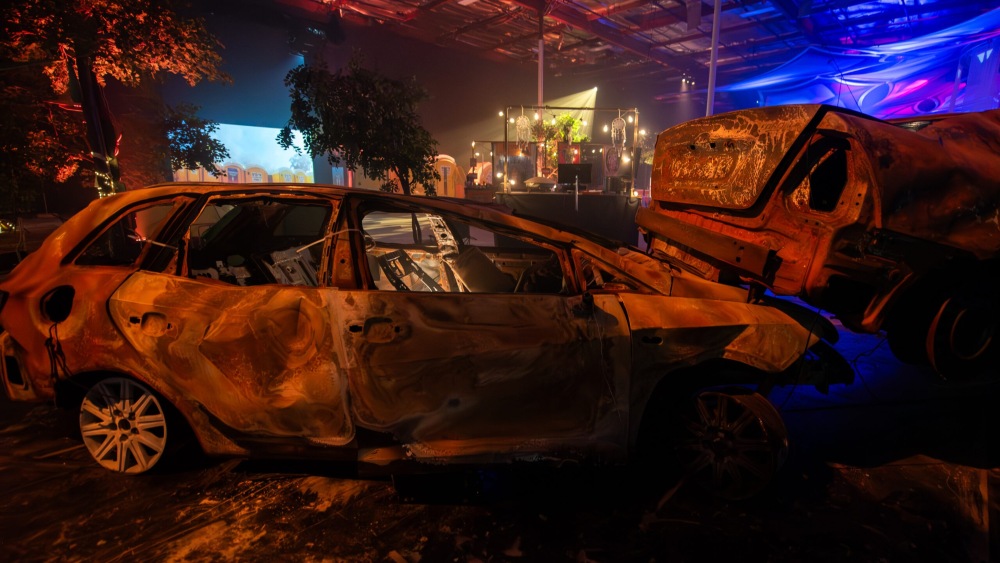
You see the remains of wrecked, torched cars from Nova, symbolizing the tsunami of blind rage and abject hatred of the Hamas terrorists.
“That burning smell – it doesn’t leave you,” says survivor Ravit Naor in a video. “It sticks to your soul.”
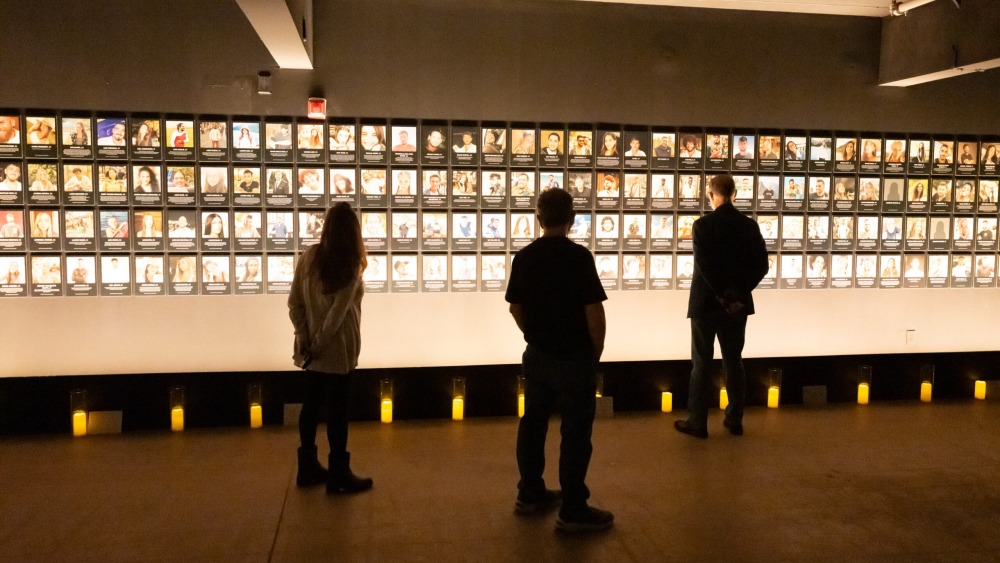
And you walk through the memorial hall section devoted to the more than 400 souls that died at Nova, as well as “Hostage Hall,’ which tells the stories of the approximately 50 individuals still held in Gaza.
“Each and every one of these people is extraordinary,” Noa Beer says at “Hostage Hall.” “I could go on and on about them. They’re so beautiful and so alive. … You’ll never hear a survivor talk about revenge. There is already so much hate in the world. But this is all still going on, and these people need to come home.”
‘These Illuminated Souls’
Arguably, the most moving and revelatory component of the exhibition is the area in which the Nova ethos of universal love and peace is documented. You see that this was no ordinary music event but a cultural movement of altruistic people who dreamed of embracing and enhancing the Middle East and the rest of the world through the healing attributes of music, compassion and positive vibrations.
That might sound a bit naïve, “Kumbaya” or trite to some, but there’s no doubt that the feeling was genuine and infectious.
Pointing toward a mammoth sound system blaring joyful house and techno music amid a colorful light show and smoke machines, Noa Beer told us it was largely created by her friend Matan Lior, the festival’s lead sound engineer.
“He would be so happy to know that people around the world were hearing this sound system,” she said of Lior, who was murdered that day at age 35. “He was an absolutely beautiful soul, inside and out.”
A video in this area of the exhibition shows footage of the days at the annual festival before the brutal attack. You see images of absolutely stunning young people, dancing and swaying, beaming and ecstatic, completely unaware of the hellfire and cruelty about to be unleashed. A sense of unbridled optimism and joy permeates the air.
“Brotherhood, friendship, love of the environment,” says one Nova attendee in the film. “When you arrive, you feel immediately at home. The vibe and the energy is amazing, and you see all of these illuminated souls. Everyone is always smiling.”
As dawn breaks on Oct. 7, the film dramatically shows the festival kick into full throttle with pounding, tribal music greeting the rising of the sun.
“Sunrise is always the greatest moment of the festival,” says one attendee in the film. “That morning was one of the most beautiful sunrises I’ve ever seen.”
Laments another festival-goer: “It was almost like we knew this would be the last dance.”
Suddenly, the video shifts to the stage at 6:29 a.m. showing the audience yelling as the deejay, wearing a sleeveless Guns N’ Roses t-shirt, shuts down the music. Frantic organizers — including Noa Beer — begin shouting to the crowd, “Red alert! Red alert!”
The film abruptly cuts off and returns immediately to its beginning with smiling, dancing, carefree festival attendees, suggesting the eternal spirit of Nova is an endless loop that can never be broken or diminished.
But neither can the raw pain of that day that forever changed so many lives.

“I had a lot of plans for my future,” Noa Beer said during a symposium at the exhibition with local Holocaust survivor Nat Shaffir. “But for the past two years, I just haven’t thought about the future. I’m living day to day. After something like this, you ask yourself, what is your purpose? Why did I live? There’s a lot of guilt, but I feel I have an obligation now to speak for those who can no longer speak. I’m trying to help the world know what we went through that day, which is a privilege and honor.
“There’s so much hate and darkness in the world right now,” she said. “The only way to break it is by spreading more love and light. ‘We will dance again’ isn’t something we just say. We owe it to those 420 beautiful souls to keep dancing so there won’t be any more Novas.”
I’m not sure what the organizers of the Nova Music Festival Exhibition have planned for the future of this incredible traveling documentation of what happened on that horrible morning. It must take a great deal of financial, organizational and logistical support to undertake such a major endeavor.
But I do know that more people need to see it.
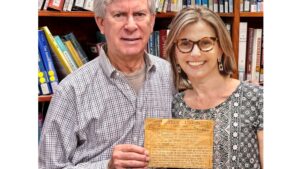
Duke Zimmerman and Lori Gale will talk at Towson University about their new book "People Get Ready" and the role played by Globe Posters in the civil rights movement.
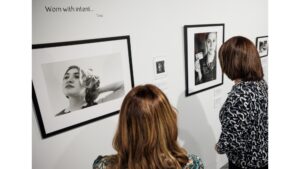
The new exhibition revisits and updates a previous show about ritual hair covering in the observant community.
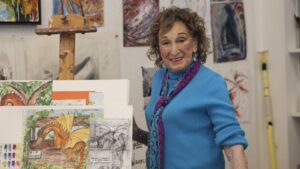
The Pikesville resident's latest offering "There's a Dragon in the Tree House and He Won't Come out!" was co-written with her grandsons.
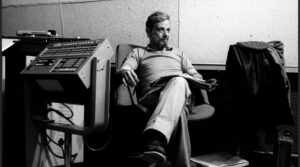
A new biography captures the intensity and magic of the musical theater giant, writes Michael Olesker.