

Where can you go where you’ll find nary a traffic light, fast-food restaurant chain or neon sign? Where can you walk centuries-old cobblestone streets, enjoy a clambake on pristine beaches or set sail from a picturesque harbor lined with gray-shingled shops and restaurants?
It can only be the island, town and county of Nantucket. Whether you’re a nature lover, sports enthusiast, sailor, history buff or collector of art and antiques, Nantucket is a vacation destination that appeals to just about everyone.
This pocket-sized island, located 30 miles off the coast of Massachusetts, is just 14 miles long and 3.5 miles wide. Approximately 10,000 souls make their home here year-round, but during the summer months that number “blossoms,” as the Chamber of Commerce is fond of saying, to 60,000 (which is just one good reason to go car-less for your visit).
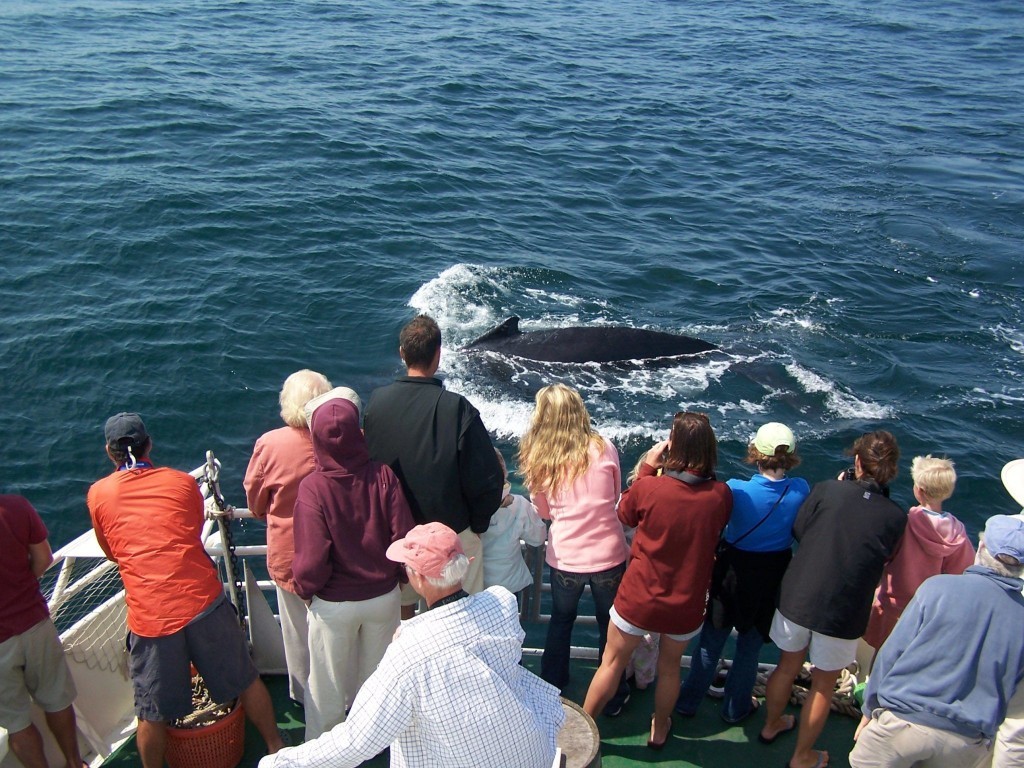
Nantucket has a long history, dating from 1659 when a group of colonists in search of political and religious freedom joined with Thomas Mayhew of Martha’s Vineyard to purchase Nantucket from the Native Americans for 30 British pounds and two beaver hats. It wasn’t long thereafter that Nantucket became a thriving whaling center.
Nantucket was considered the whaling capital of the world from 1800 to 1840. During this time, the island was the third-largest city in Massachusetts; only Boston and Salem were larger.

Tragically, the Great Fire of 1846 destroyed the wharves and much of the business district. Coupled with the discovery of petroleum, dwindling demand for whale oil, the silting-up of the harbor and discovery of gold in California, the prosperity of the whaling era declined. An economic depression ensued that lasted until the tourism industry replaced whaling as the island’s economic base in the late 19th century.
For a glimpse of what first made Nantucket so prosperous, visit the Nantucket Whaling Museum (13 Broad St.). This popular interactive museum features an 1847 spermaceti candle factory, sperm-whale skeleton, fully rigged whaleboat, collection of whaling tools and portraits of whaling captains, a children’s discovery room and an observation deck that overlooks Nantucket Harbor.
On land, much of Nantucket’s charm lies down its narrow lanes that give you the sense of stepping back a century … or two or three. The island is home to more than 800 iconic gray-shingled houses built between 1740 and 1840, almost all of which are located in their original setting. Nantucket, in fact, claims one of the largest and best-preserved historic districts in the United States.
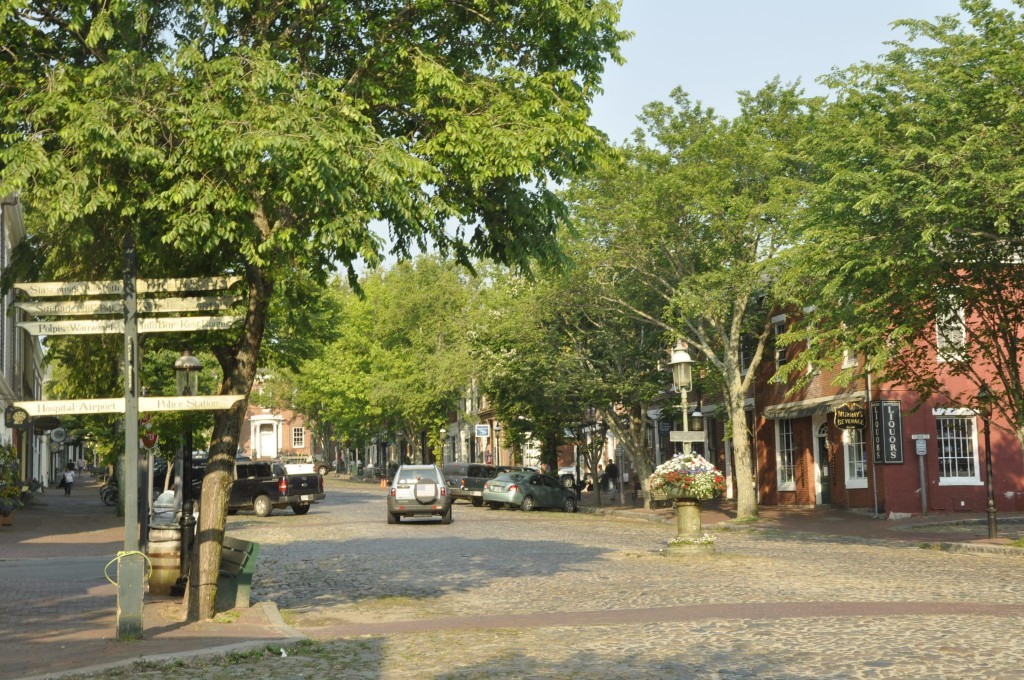
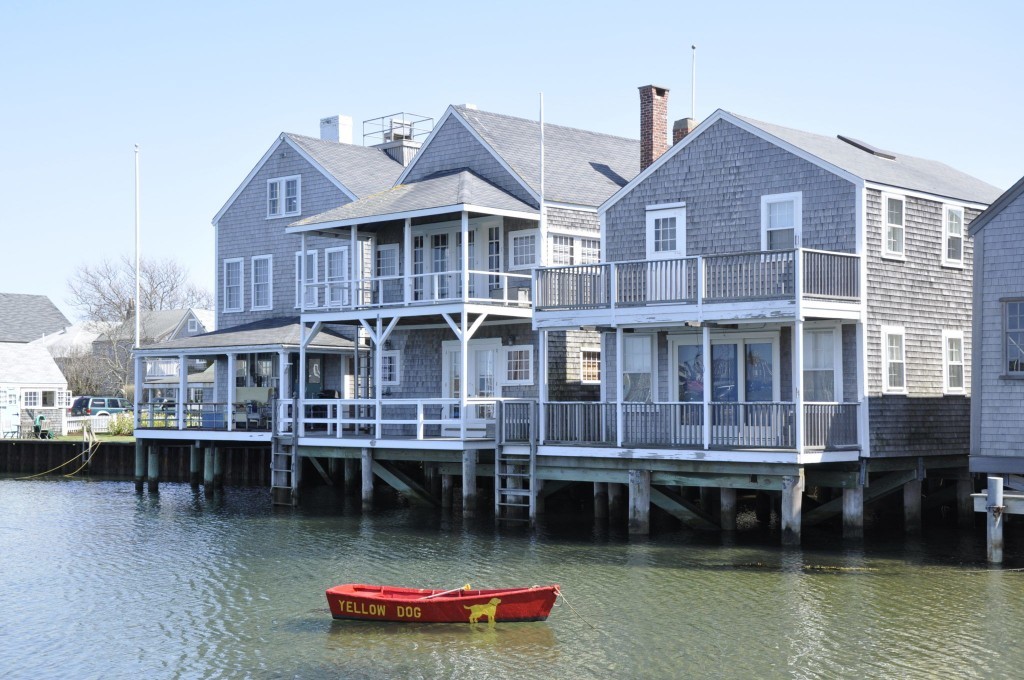
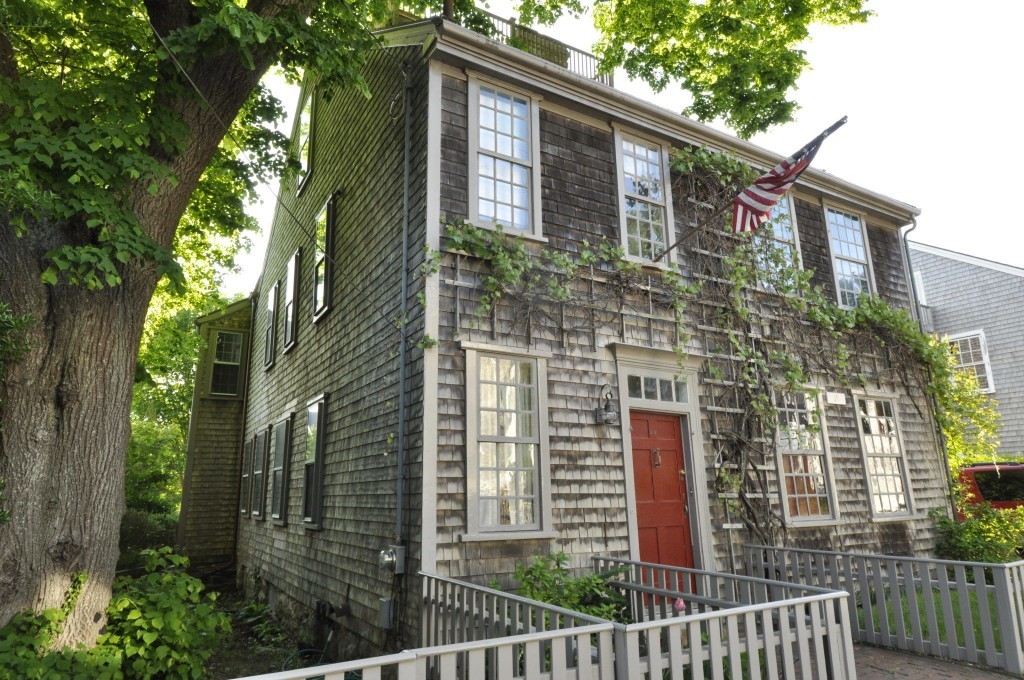
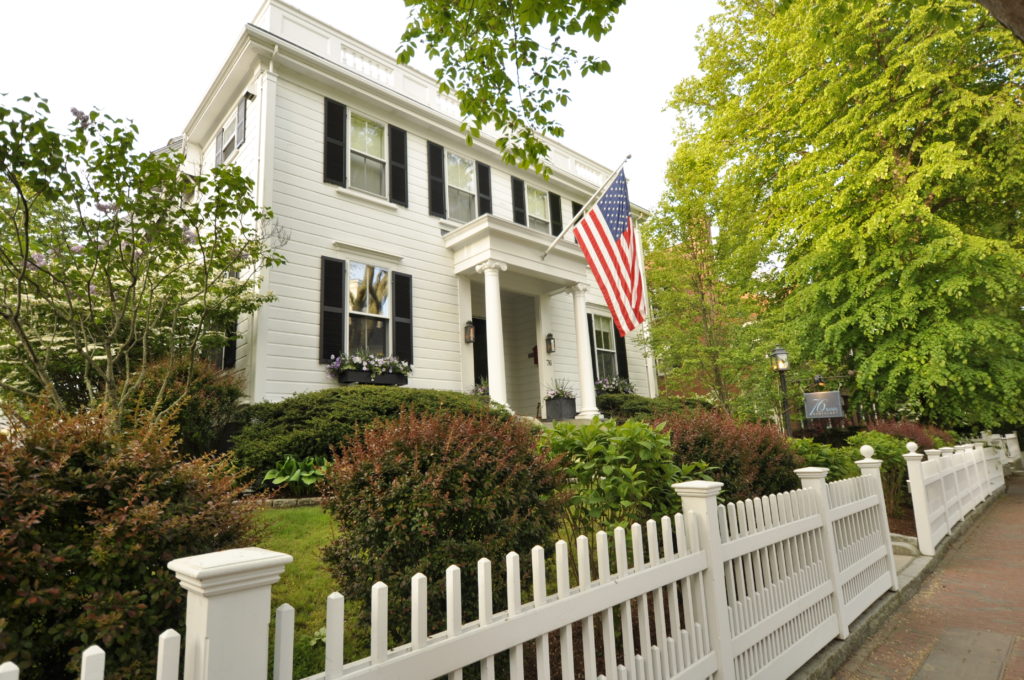
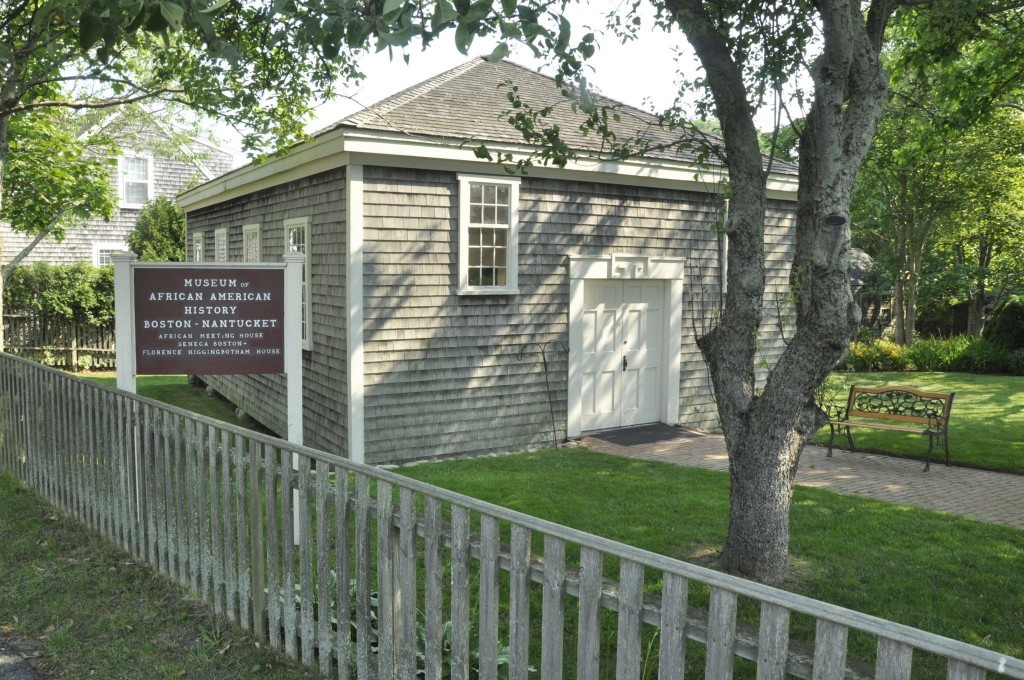
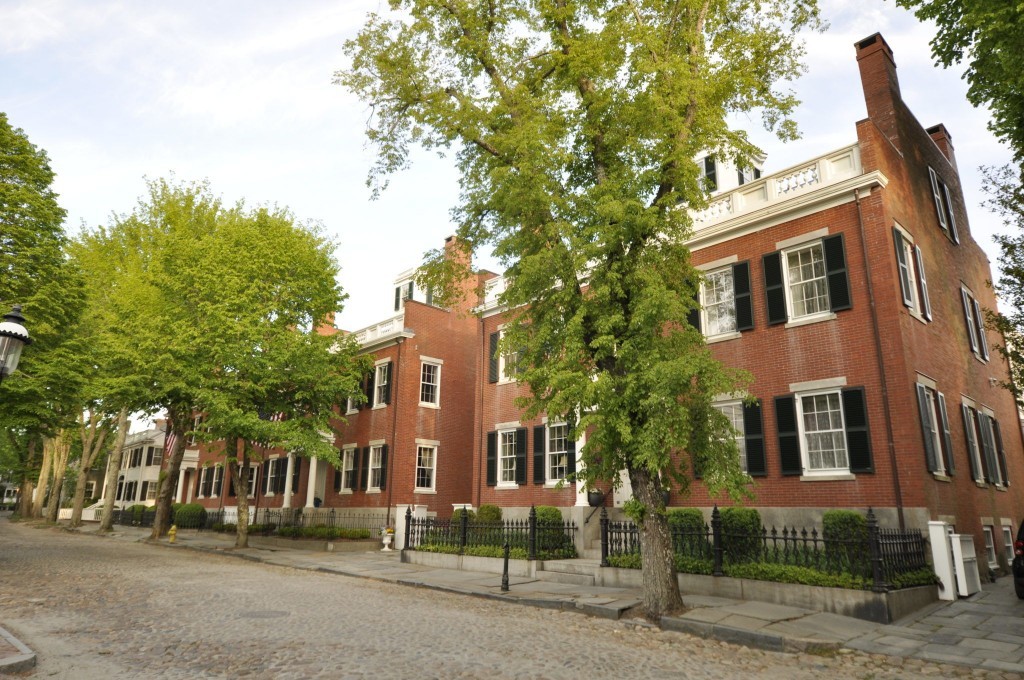
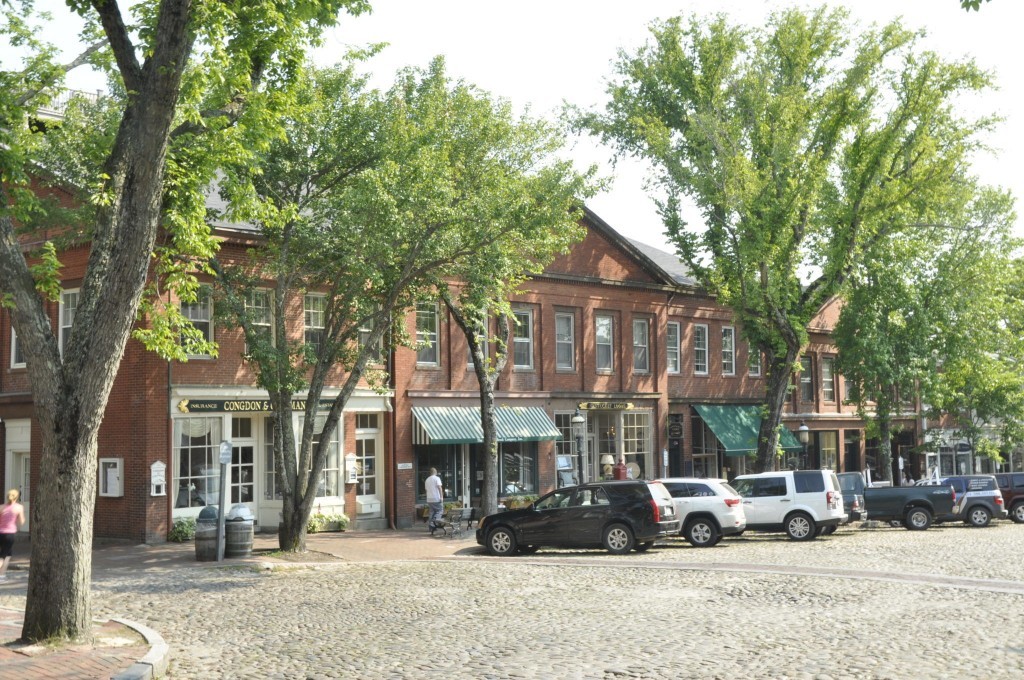
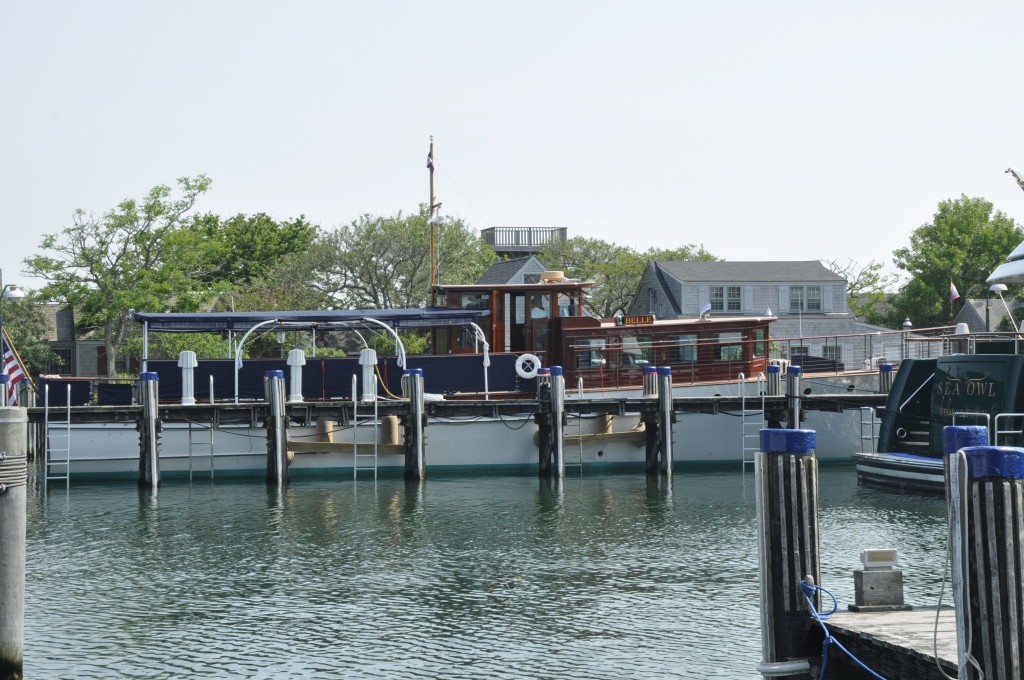
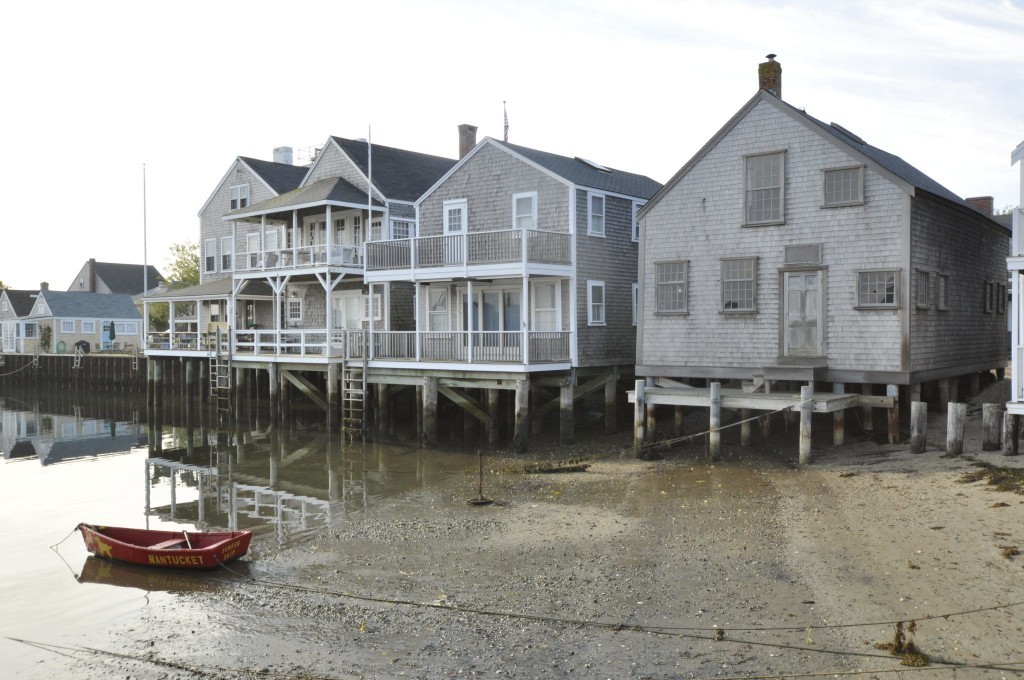


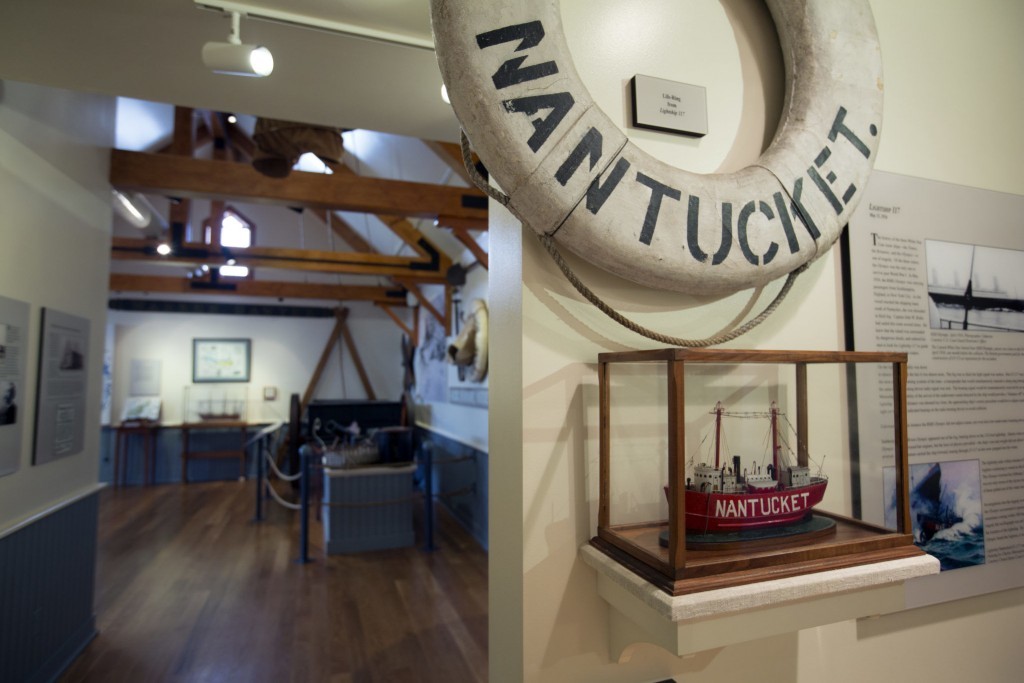
Because of the gray-shingled buildings and frequent fog, Nantucket is affectionately referred to as the “Little Gray Lady of the Sea.” In a 47-square-mile area, you’ll find a variety of preserved historic sites, including the Oldest House (from the 17th century), Quaker Meeting House, Shipwreck and Lifesaving Museum, African Meeting House, and Athenaeum, among others.
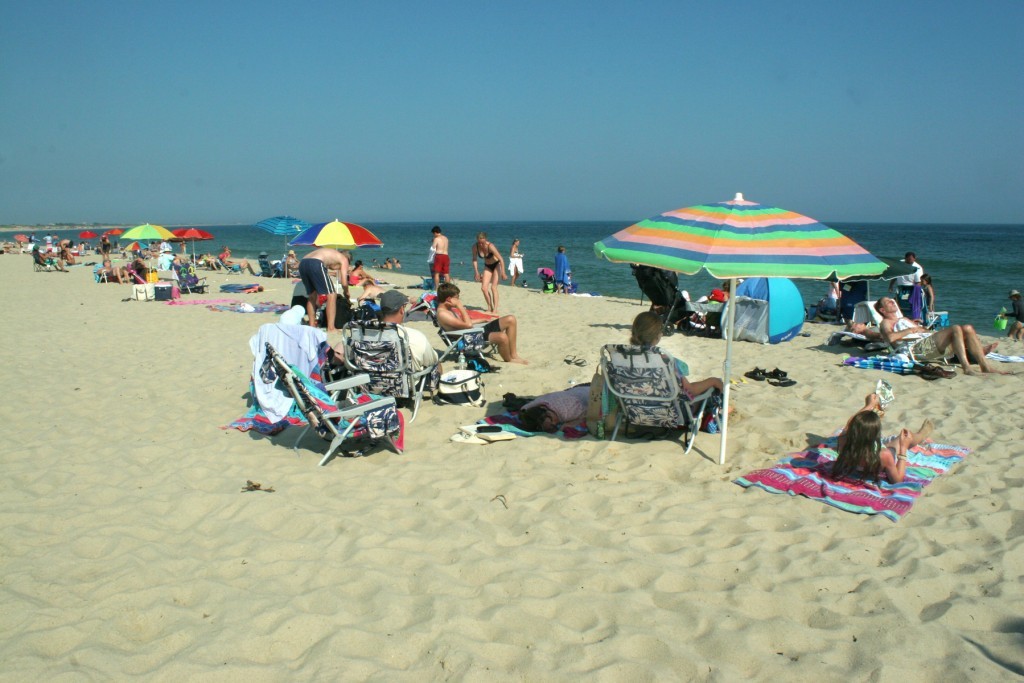
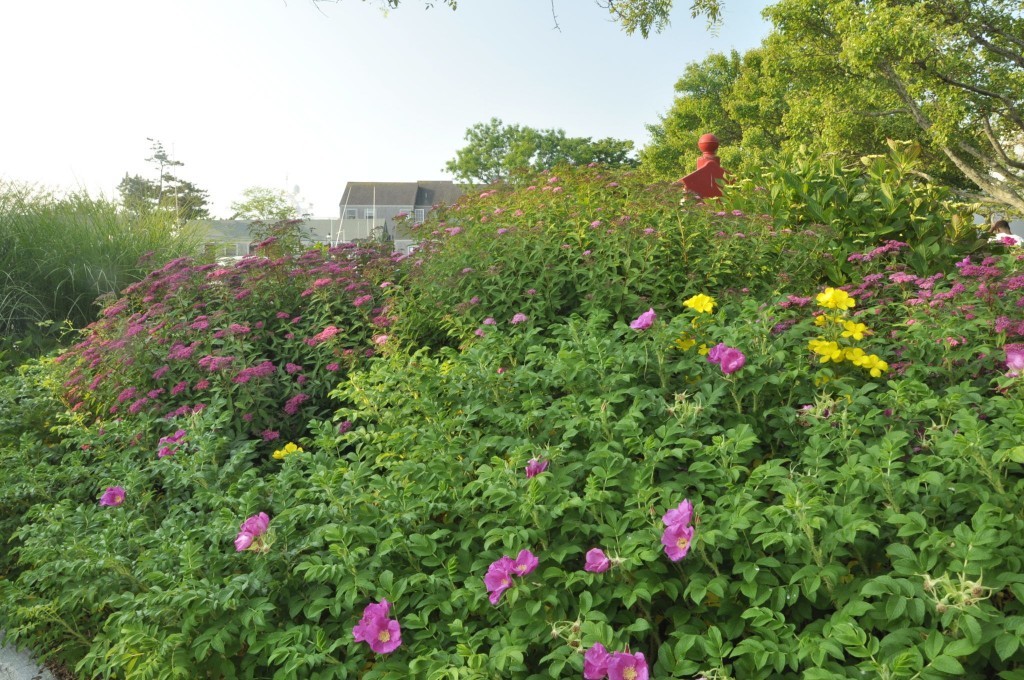
Nantucket also is a nature lover’s paradise; nearly 46 percent of the island is protected conservation land. There are bike paths that lead to Madaket, Dionis, Surfside and Siasconset (familiarly known as ‘Sconset) beaches, and also more than 8,400 acres of undeveloped land that can be explored by visitors to the island. Nantucket Walkabout, the island’s only year-round guided hiking service, offers natural history walks on Nantucket’s protected lands all over the island.
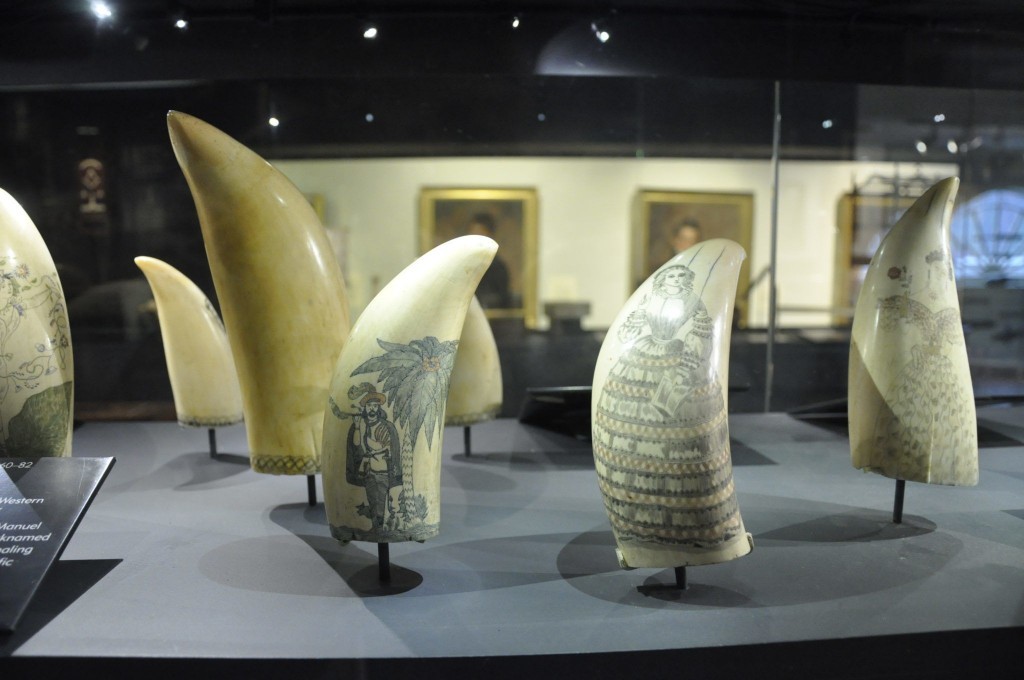
Nantucket’s traditional handicrafts of scrimshaw and Nantucket lightship baskets also are worth investigating. One of the more popular items among nautical antiques, scrimshaw is the folk art of the whalers. Although a 1971 embargo on the importation of new whaling products is still in effect, old bone and ivory from whaling stations going back 50 to 100 years can still be sold.
Another ideal souvenir from a trip to the island is a Nantucket lightship basket. Named for the South Shoal Lightship, a floating lighthouse anchored off Nantucket Island from 1854 to 1905, original Nantucket lightship baskets were made from tightly woven rattan with sturdy wooden bottoms and swinging handles. They were round or oval in shape, open on top, and were frequently made in nesting sets of five to eight baskets. Designed to tote anything from potatoes to firewood, the baskets were made to while away the long, lonely hours on board ship and were frequently given to wives left on shore.
Don’t miss a visit to the Nantucket Lightship Basket Museum (49 Union St.) with permanent and temporary exhibits, and educational programs such as demonstrations and workshops.
Once you get there, it won’t take you long to see why National Geographic recently dubbed Nantucket the “Best Island in the World.”
Visit nantucketchamber.org .
Top photo by William DeSousa-Mauk
Carol Sorgen is a Baltimore-based freelance writer.
Read more May Travel stories:
- How to Do Nothing at Chincoteague
- Iceland in February — A Great Spot for Geology Geeks
- Find yourself…in the Poconos
- Fruits, Labor and the Language of Love in Italy
- Journey to the Heart of Africa
- Costa Rica’s Charms
- An American in (Jewish) Paris
Also see: Dazzling Delights and New England Grace in Martha’s Vineyard

The Jerusalem Orchestra East & West, which arranged the program for young musicians, blends Western orchestral music with Middle Eastern traditions.

Pikesville resident and entrepreneur Luna Rosendorff discusses what she's seeing these days in the world of contemporary interior design.

Jewish Community Services' upcoming "Future-Ready Workplace" event will feature a keynote address from workplace expert and bestselling author Liz Fosslien.

The BCO, founded in 1984, will perform the works of Frank Zappa, Beethoven, Mason Bates and Karena Ingram.