
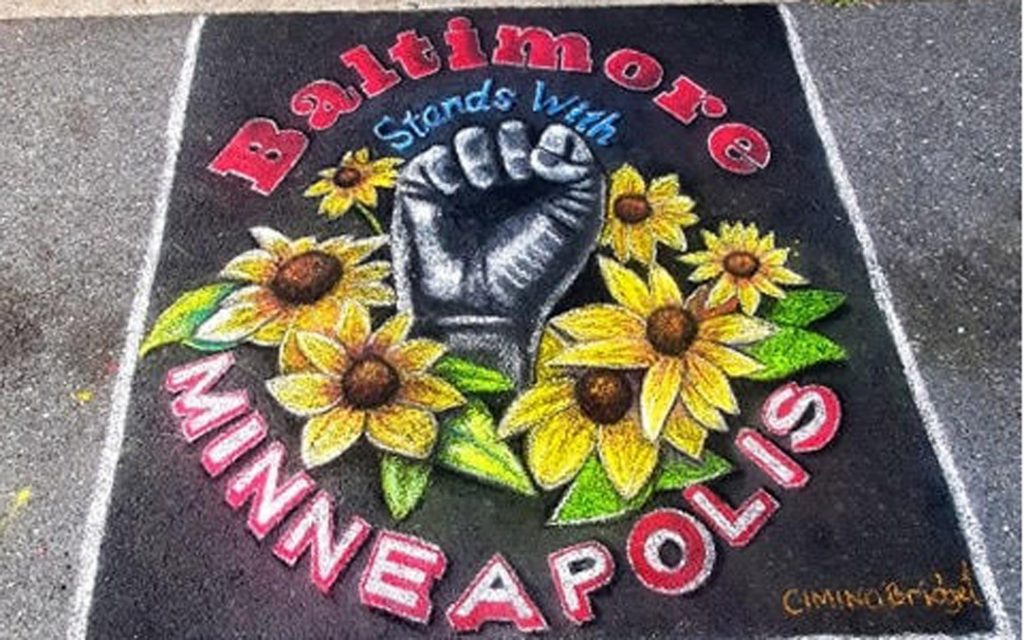
Last Thursday, May 28, for the umpteenth time since mid-March when COVID-19 updates began almost daily, I sat glued to my computer watching a press conference.
But this time was different. It did not star Gov. Larry Hogan or Mayor Jack Young.
It was from my hometown, Minneapolis-St. Paul.
I watched Jacob Frey, the young, Jewish civil rights attorney-turned-mayor of Minneapolis, offer an emotional decree of culpability for the anger and protest spreading across the city in the name of George Floyd. Floyd was the black man who died from asphyxiation as a police officer kneeled on his neck for nearly nine minutes.
“What we’ve seen is the result of so much built-up anger and sadness … that has been ingrained in our black community not just because of [nine] minutes of horror, but 400 years,” he said.
Next, Andrea Jenkins, vice president of the Minneapolis City Council and the first black openly transgender woman elected to public office in the U.S., stepped up to the podium and took a deep breath.
She sang the first lines of “Amazing Grace” and then implored her colleagues to call a state of emergency “declaring racism as a public health issue. Until we name this virus, this disease that has infected America for the past 400 years, we will never, ever resolve this issue.”
Her brave, on-point words struck a chord with me. My mind, body and heart reacted right then and there, just as it did five years ago in Baltimore in the wake of the death of Freddie Gray and the uprising that exploded.
I checked in with my family and friends throughout the day. As the sun set on the Twin Cities, protesters’ anger and violence raged.
That evening, I navigated back and forth between Beth Am Synagogue’s all-night Shavuot Zoom study sessions — where many topics, in a twist of irony, centered on tikkun olam, repairing the world — and the fiery images coming out of Minneapolis.
My niece lives two miles from where the Third Precinct was going up in flames. My nephew lives near the St. Paul protest epicenter. They both returned my string of ‘concerned auntie’ texts, but they were shaken.
At around 2 a.m., I jumped onto Twitter and learned that cities around the country were also erupting. The tense relationship between the Baltimore Police Department and its citizens could justifiably ignite destruction and violence.
Was Baltimore burning? I held my breath as I searched through tweets.
But throughout the weekend and throughout this week, thousands of unyielding, peaceful protesters marched through the streets of Baltimore. The next day, I was able to amplify the powerful message from Councilwoman Jenkins — in her own voice — on WYPR. It served as the springboard for a conversation with local activists and organizers who are working tirelessly to combat the racial injustice in Baltimore and beyond.
The conversation continues, and we all must be part of it.
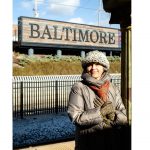
Melissa Gerr is a freelance writer and a producer at WYPR radio for “On the Record.” You can listen to the conversation she referenced at this link.
Duke Zimmerman and Lori Gale will talk at Towson University about their new book "People Get Ready" and the role played by Globe Posters in the civil rights movement.
The new exhibition revisits and updates a previous show about ritual hair covering in the observant community.

One of the most competitive local races for public office this political season is for Baltimore County Executive. Jmore recently spoke with four of the candidates about their views on how they hope to enhance life in the county.
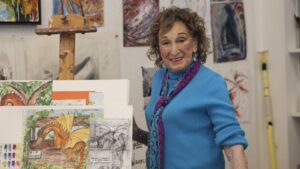
The Pikesville resident's latest offering "There's a Dragon in the Tree House and He Won't Come out!" was co-written with her grandsons.