
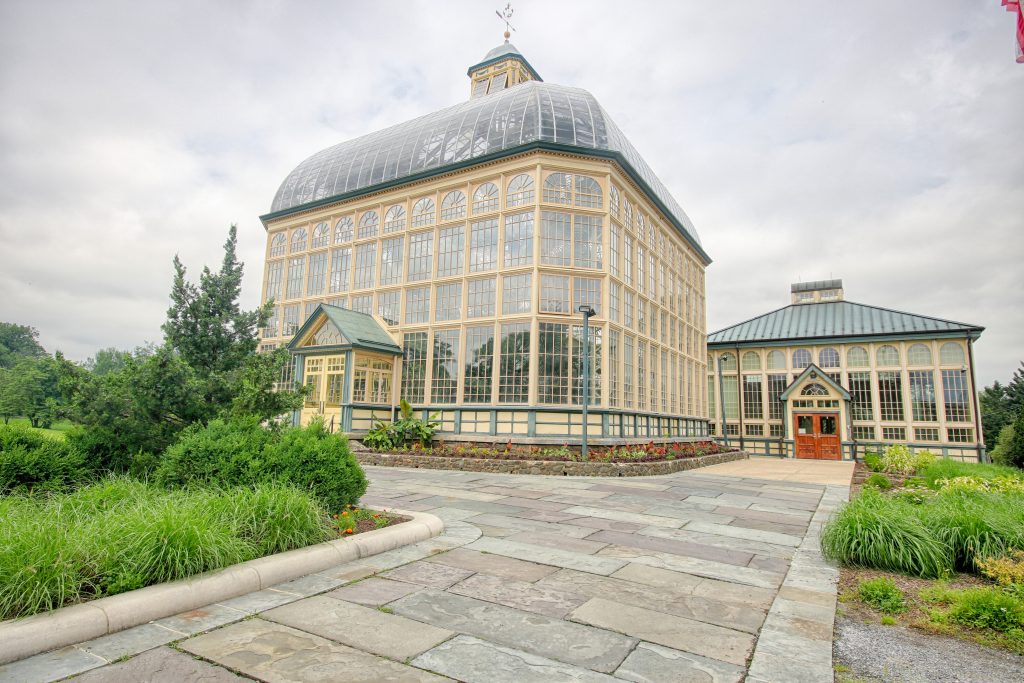
This morning, I went for a run around Druid Lake, the reservoir across the street from my neighborhood and for which Reservoir Hill was named.
It was a lovely morning, and a number of people were out walking, running or biking the newly reopened pedestrian loop. The lake project has dragged on for years; local residents and park enthusiasts have been frustrated at the pace of construction and the lack of clear and consistent messaging from leadership as Baltimore looks to transform this important amenity in the coming years.
The full project, should it come to fruition, is terribly exciting. Back in 2021, I wrote a piece suggesting the City of Baltimore “daylight” the ghost stream which once fed the Jones Falls river valley. Daylighting part of that stream is indeed a component of the city’s bold vision plan, a plan that also features a fishing pier, swimming and boating areas, wetlands, a café and a pedestrian bridge spanning the lake.
Druid Hill Park is the central park of our city, an Olmsted Firm-designed historic oasis with a rich but also complicated history of segregation. And it’s a key touchpoint in the story of Baltimore Jewry, as detailed in Barry Kessler’s well-researched 2009 Jewish history of the Park.
For many years Beth Am Synagogue, half a block from the reservoir, has held Kabbalat Shabbat services and other activities in the park, and the recently renovated Third Space at Shaarei Tfiloh is the newest example of revivified Jewish communal presence on the park’s periphery.
This history and my own congregation’s growth and thriving in our park-adjacent location is one reason I was excited to run the pedestrian loop once more. So when a recent Baltimore Banner article covered the path reopening, I read eagerly searching for any new details. Then I came to the last few lines:
“For Kim Brown, a visit to the walking loop was enough to come back after at least five years away. Brown on Monday arrived with her two grandsons and walked the reopened loop while playing music from a speaker dangling from her waist. The park has changed since she was a kid, she said, and she’d like to see renovations fulfill more than recreational wish lists. ‘I hope they keep the crime rate down,’ she said.”
I don’t know Ms. Brown and certainly don’t fault her for sharing her concerns about public safety. What matters is that The Banner saw fit to conclude its reporting about this positive development with an implicit warning, one completely divorced from any relevant historical or narrative context. Did Kim Brown have a bad experience by Druid Lake five years ago?
The article doesn’t say. Was there a significant crime rate near the lake path that might make Ms. Brown or others reluctant to walk there with their grandchildren? Not that I know of, and I’ve spent 15 years enjoying the park, with and without my wife and children, and at all hours of the day.
“You must not carry false rumors” says Exodus 23:1.
Years ago, I followed Druid Park Lake Drive across the 28th Street Bridge and saw an older gentleman laboriously painting the cracking concrete walls of the overpass, covering with pearly white paint years of weather-worn graffiti and rust-orange chain link runoff. I remember thinking, “What a thankless job, earning a day’s wage toiling in the heat of the day to make Baltimore just a little nicer!”
A couple weeks later, I was driving that same overpass when I saw fresh black graffiti scrawled across the white surface: “THIS IS WHY WE CAN’T HAVE NICE THINGS.” I don’t know who sprayed the graffiti, but soon after I discovered a local artist selling postcards with the image.
I have never felt Baltimoreans need to hide from the truth. At times and in certain areas, Baltimore has and continues to experience crime. But most crime, including violent crime, has been decreasing for years now, and it has not been a significant problem in Druid Hill Park for a very long time. Journalists have a responsibility to report the truth, but they also must be careful to avoid an instinct to sensationalize.
There are frustrations with the park. Construction delays, cost overruns, noise and dust kicked up over seven years are all issues. But none of us who live around here are concerned about running or walking in the park in the middle of a beautiful day, and most of us would comfortably do so from early in the morning until late in the evening.
Any news publication that punctuates a story about real Baltimore progress with a baseless warning about crime is doing the equivalent of scrawling, “This is why we can’t have nice things,” on a freshly painted wall. With The Sun’s current ownership, The Banner is a true asset for our city. It must do better!

Rabbi Daniel Cotzin Burg is spiritual leader of Beth Am Synagogue in Reservoir Hill. This column and others also can be found on his blog, The Urban Rabbi.

As he gets ready to leave for California, Rabbi Daniel Cotzin Burg looks back on his time in Baltimore and his 10 years writing for Jmore.


Michael Olesker pays tribute to WJZ’s retiring Marty Bass, a longtime fixture on local TV screens.

The Orioles' weak defense plays a major role in the nightly carnage, writes Michael Olesker.